Introduction: Marketing to “Everyone” is Marketing to No One
Here is the most expensive mistake we see in healthcare marketing: Generic Targeting.
Most clinics define their target audience as “Women, aged 25-50, living in Dubai.” That is not a target market; that is a census category.
A 30-year-old corporate executive seeking Invisalign because she has a board meeting next month has a completely different psychological profile than a 30-year-old stay-at-home mother seeking Invisalign for her daughter’s graduation photos.
One cares about speed and invisibility. The other cares about cost and payment plans. If you send the same message to both, you lose both.
The fastest-growing clinics in the GCC don’t just buy ads; they buy specific patients. They understand the Psychographics (fears, desires, and objections) of their audience, not just the Demographics.
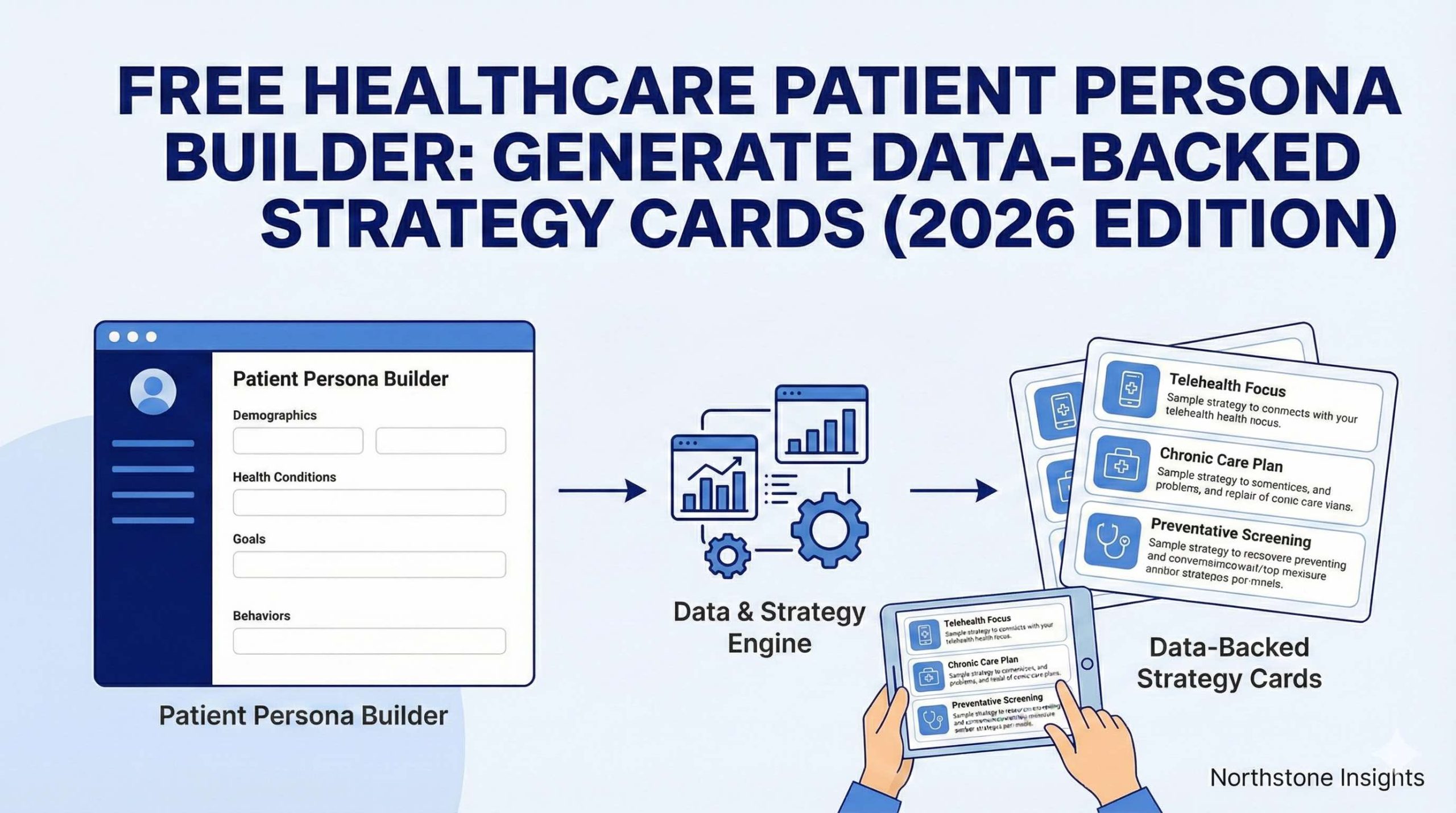
We built this internal tool, The Northstone Persona Builder, for our consulting clients to clarify exactly who they are targeting. Now, we are making a lite version available to you.
Enter your specialty and target demographics below to uncover the psychological triggers, sales objections, and high-intent keywords that will convert them.
Healthcare Persona Strategy Builder
Generate a “Consulting-Grade” patient profile and content strategy in seconds.
Strategy Profile
NORTHSTONE INSIGHTSPatient Archetype & Psychology
Marketing Hook (The “Northstone Angle”)
High-Intent Keywords (SEO)
Silent Objections
Content Ideas (Blog/Social)
How to Use Your Patient Strategy Card
Once you have generated your card using the tool above, you have the blueprint for your next marketing campaign. Here is how to interpret the data to drive measurable patient growth.
1. The Psychographic Profile (The “Why”)
Most marketing briefs stop at “Age 35.” Your Strategy Card goes deeper.
- If your card identifies the patient as “Time-Poor Professional,” stop talking about your “Friendly Staff.” Talk about your “Lunch Break Procedures” and “Digital Intake Forms.”
- If your card identifies the patient as “Risk-Averse Value Seeker,” stop talking about “Luxury.” Talk about “Insurance Acceptance” and “Warranty on Procedures.”
2. The High-Converting Hook (The “What”)
This is your headline. Use this exact sentence structure in your:
- Instagram Reel Captions
- Google Ads Headlines
- Website Hero Section
Why it works: It addresses the Primary Patient Pain while solving their specific Psychographic Objection (e.g., Fear of Cost or Fear of Time).
3. Sales Objections (The “But”)
The “Objections” section of your card reveals the Silent Killers of your conversion rate. These are the questions the patient is thinking but is too afraid to ask.
- Action Step: Create a FAQ section on your landing page that specifically answers these 4 bullet points. If the objection is “Is it painful?”, your FAQ should be “How we ensure 100% pain-free treatment.”
4. High-Intent Keywords (The “Where”)
These are not just random SEO terms. These are “Bottom of Funnel” keywords. People searching for these terms are ready to book, not just browsing.
- Action Step: Write one blog post or create one landing page dedicated to each of the keywords listed in your Strategy Card.
Why Precision Beats Volume
At Northstone Insights, we often see clinics spending $10,000 to reach 100,000 people, resulting in 10 bookings. By using Patient Personas, you can spend $2,000 to reach 5,000 people, resulting in 20 bookings.
The difference isn’t the budget; it’s the Relevance.
Ready to deploy this strategy at scale? The tool above is a simplified version of the proprietary frameworks we use for our advisory clients. If you are ready to move beyond “guessing” and start building a predictable patient acquisition engine, contact Northstone Insights today.