

In today’s digital-first world, patients aren’t flipping through phone books to find healthcare providers, they’re searching online. If your medical practice isn’t showing up in local search results, you’re losing patients to competitors who are. Local SEO for healthcare has become the cornerstone of patient acquisition strategies, helping medical practices connect with people who need their services most.
Whether you run a dental practice, urgent care center, or specialty clinic, optimizing your online presence for local search can dramatically increase your visibility and patient base. This comprehensive guide will walk you through everything you need to know about healthcare SEO services and how to implement them effectively.
Why Local SEO Matters for Medical Practices
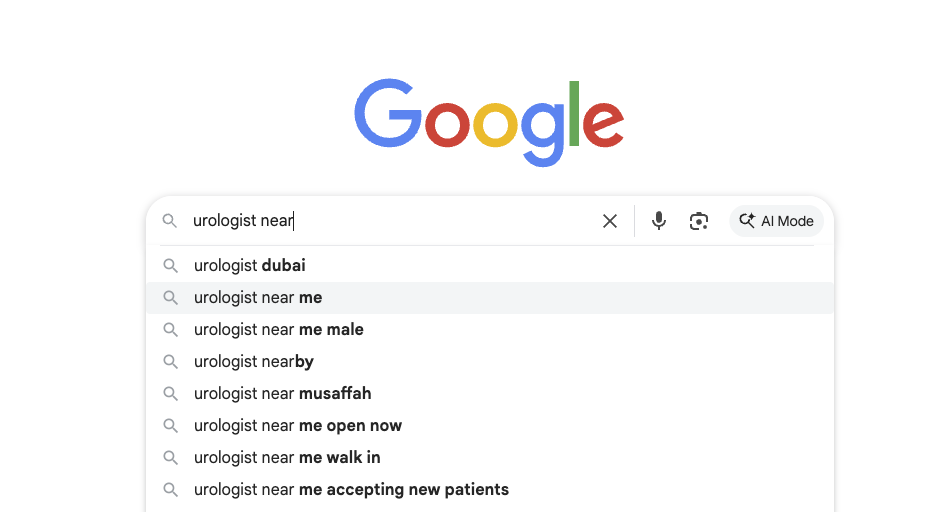
Local search optimization isn’t just another marketing buzzword, it’s essential for healthcare providers. Consider these statistics: 77% of patients use search engines before booking an appointment, and 88% of local business searches on mobile devices result in either a call or visit within 24 hours.
When potential patients search for “pediatrician near me” or “urgent care open now,” they’re ready to take action. If your practice appears at the top of those search results, you’re capturing high-intent traffic that converts into appointments.
Unlike traditional healthcare digital marketing methods, local SEO for healthcare targets people in your geographic area who are actively seeking medical services. This precision makes it one of the most cost-effective patient acquisition SEO strategies available.
Understanding How Patients Search for Healthcare Providers
Before diving into tactics, it’s crucial to understand patient search behavior. Healthcare searches typically fall into three categories:
Immediate need searches include queries like “emergency dentist near me” or “walk-in clinic open Sunday.” These searchers need immediate care and will choose from the first few results.
Research-based searches involve patients looking for specific specialists or comparing providers. They might search “best cardiologist in [city]” or read reviews before deciding.
General information searches occur when patients are exploring symptoms or treatment options. While these don’t immediately convert, they’re opportunities to establish authority and attract future patients.
Understanding these search patterns helps you create a local healthcare content marketing strategy that addresses patient needs at every stage of their journey.
Optimizing Your Google Business Profile for Healthcare
Your Google Business Profile (formerly Google My Business) is the foundation of local search for doctors and medical practices. When optimized correctly, it helps you appear in the coveted “local pack”, the three business listings that appear at the top of Google search results.
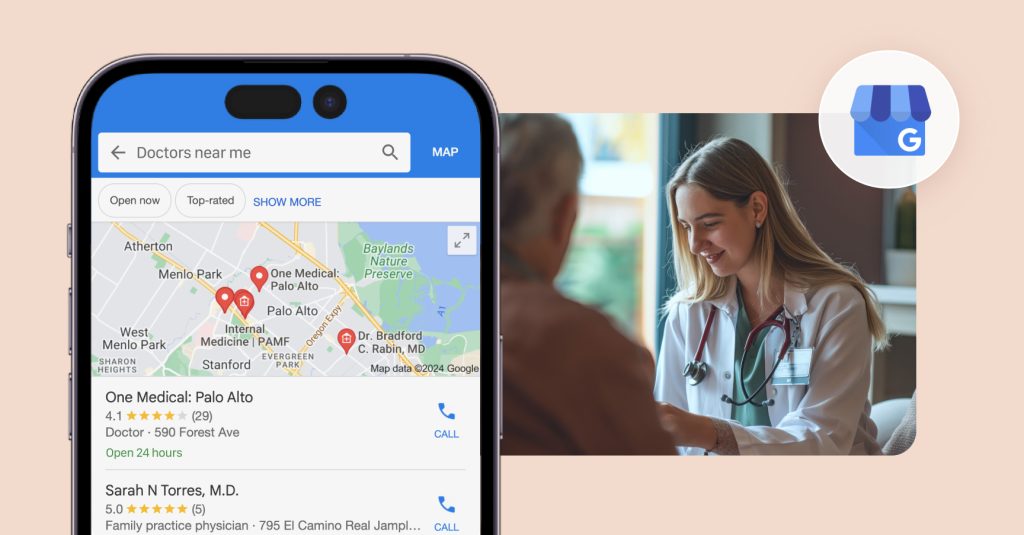
Setting Up Your Profile Properly
Start with accurate, complete information. Your practice name, address, and phone number (NAP) must be identical across all online platforms. Even minor inconsistencies can confuse search engines and hurt your rankings.
Choose the most specific business category available. Instead of just “Doctor,” select categories like “Pediatrician,” “Orthopedic Surgeon,” or “Family Practice Physician.” You can add multiple categories, but make your primary category the most relevant to your practice.
Adding Rich Content
Upload high-quality photos of your facility, staff, and waiting areas. Profiles with photos receive 42% more requests for directions and 35% more clicks to their websites. Include images that make your practice feel welcoming and professional.
Write a compelling business description that naturally incorporates keywords like “healthcare provider search rankings” and your specialty. Explain what makes your practice unique and why patients should choose you.
Leveraging Posts and Updates
Google allows you to publish posts directly to your Business Profile. Use this feature to share health tips, announce new services, highlight patient testimonials, or promote special offers. Regular posts signal that your practice is active and engaged with the community.
Building and Managing Healthcare Local Citations
Healthcare local citations are mentions of your practice name, address, and phone number on other websites. These citations act as “votes of confidence” that help search engines verify your practice’s legitimacy and location.
Essential Healthcare Directories
Start with the major healthcare-specific directories:
Then expand to general business directories like Yelp, Yellow Pages, and your local Chamber of Commerce website. Each citation reinforces your practice’s location and improves your medical practice online visibility.
Maintaining Citation Consistency
Inconsistent citations damage your rankings. If one directory lists your address as “123 Main Street” and another uses “123 Main St.,” search engines become confused about your actual location. Audit your existing citations regularly and correct any discrepancies.
Creating Location-Specific Content
Content marketing plays a vital role in healthcare SEO strategy. By creating valuable, location-specific content, you can attract local patients while establishing your expertise.
Developing Neighborhood-Focused Pages
If you serve multiple neighborhoods or have multiple locations, create dedicated pages for each area. For example, “Primary Care Physician SEO” strategy would include pages like “Family Practice in Downtown [City]” or “Pediatric Care in [Neighborhood].”
These pages should include:
- Location-specific keywords naturally woven into content
- Information about parking, public transportation, and accessibility
- Local landmarks patients can use for directions
- Testimonials from patients in that specific area
- Unique services or specialties available at that location
Writing Blog Content That Ranks
A blog gives you unlimited opportunities to target long-tail keywords and answer patient questions. Focus on topics like:
- Common health conditions in your area
- Seasonal health tips relevant to your climate
- How to prepare for specific procedures you offer
- Insurance and payment questions specific to your region
For instance, a dermatology practice might write “Managing Dry Skin in [City]’s Winter Climate” or “Sun Protection Tips for [Region] Summers.”
Technical Website Optimization for Local Healthcare SEO
Your website’s technical foundation significantly impacts your ability to rank in local search results. Medical practice websites must load quickly, function perfectly on mobile devices, and provide excellent user experience.
Mobile Optimization Is Non-Negotiable

Over 60% of healthcare searches happen on mobile devices. If your website isn’t mobile-friendly, you’re losing more than half your potential patients. Your site must load in under three seconds, have clickable phone numbers, and display forms that are easy to fill out on small screens.
Google uses mobile-first indexing, meaning it primarily uses the mobile version of your site for ranking. Test your site on multiple devices and use Google’s Mobile-Friendly Test tool to identify issues.
Local Schema Markup
Schema markup is code that helps search engines understand your website content better. For healthcare providers, implementing LocalBusiness and MedicalBusiness schema can enhance your search listings with rich snippets showing ratings, hours, and other key information.
This structured data makes your listings more attractive in search results and can improve click-through rates by 20-30%.
Site Speed and Performance
Slow websites frustrate patients and hurt rankings. Optimize images, enable compression, leverage browser caching, and use a content delivery network (CDN) to improve load times. Consider that a one-second delay in load time can reduce conversions by 7%.
Reviews and Reputation Management
Patient reviews are critical for local SEO for medical websites and influence both search rankings and patient decisions. Practices with higher ratings and more reviews consistently outrank competitors with fewer reviews.
Encouraging Patient Reviews
Make it easy for satisfied patients to leave reviews. Send follow-up emails after appointments with direct links to your Google Business Profile, Healthgrades, and other platforms. Train staff to mention reviews during checkout: “If you had a great experience today, we’d appreciate if you’d share it online.”
However, never incentivize reviews with discounts or gifts—this violates most platform policies and can result in penalties.
Responding to Reviews
Respond to every review, positive and negative. Thank patients who leave positive feedback and address concerns raised in negative reviews professionally. Your responses show potential patients that you care about patient satisfaction and are willing to address problems.
When responding to negative reviews, never violate HIPAA by discussing patient details. Keep responses general: “We’re sorry you had this experience. Please contact our office manager directly so we can address your concerns.”
Link Building for Healthcare Practices
Quality backlinks from reputable websites signal authority to search engines. For healthcare providers, certain link-building strategies work particularly well.
Local Partnerships and Sponsorships
Partner with local organizations, sponsor community events, or participate in health fairs. These activities often result in backlinks from local news sites, event pages, and organizational websites. These local links are valuable for geographic SEO for healthcare.
Guest Posting and Expert Contributions
Contribute expert articles to local publications, health blogs, and news outlets. Position yourself as a local health authority by offering commentary on health trends or seasonal issues. These contributions typically include author bios with links back to your website.
Building Relationships with Referring Physicians
If you’re a specialist, ensure referring physicians link to your website from their referral resources pages. These highly relevant links carry significant authority.
Measuring Your Local SEO Success
Tracking the right metrics helps you understand what’s working and where to focus your efforts for healthcare practice marketing.
Key Performance Indicators
Monitor these metrics monthly:
- Google Business Profile views and clicks
- Website traffic from local searches
- Keyword rankings for target terms
- Phone calls and form submissions
- New patient appointments from online sources
- Review volume and average rating
Using Google Analytics and Search Console
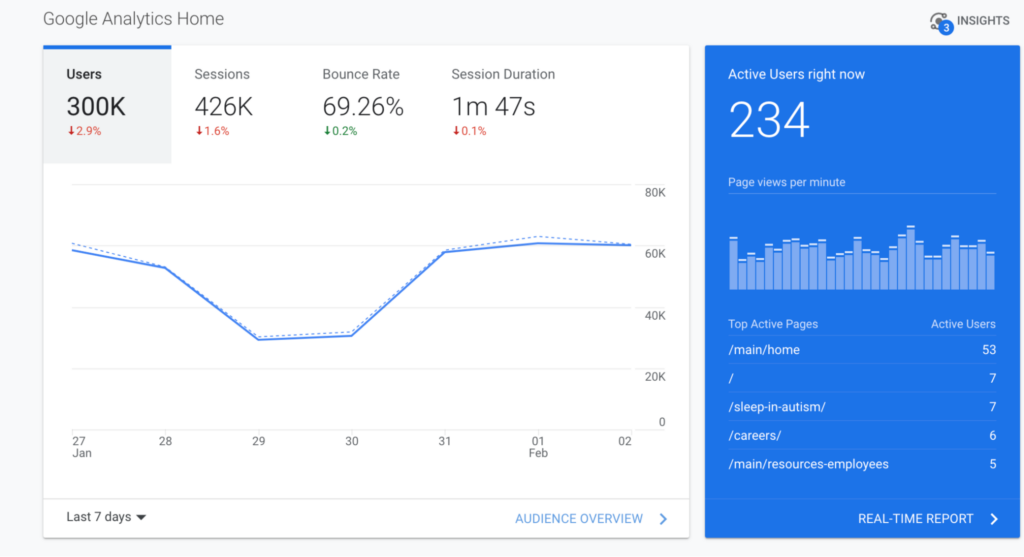
Set up Google Analytics to track local traffic specifically. Create custom reports that show traffic from your target geographic area. Google Search Console reveals which keywords are driving impressions and clicks, helping you refine your strategy.
Track conversion paths to understand how patients find you. Do they discover you through organic search, read blog content, then book an appointment? This intelligence helps optimize your patient journey.
Common Local SEO Mistakes Healthcare Providers Make
Even with good intentions, many practices sabotage their local SEO efforts with these common mistakes:
Inconsistent NAP information across directories creates confusion and damages rankings. Audit all citations quarterly.
Neglecting negative reviews or responding defensively makes potential patients wary. Address concerns professionally and use feedback to improve.
Ignoring mobile optimization costs you more than half your potential patients. Prioritize mobile user experience.
Creating thin location pages with duplicate content doesn’t fool search engines. Each location page needs unique, valuable content.
Forgetting about page speed frustrates users and hurts rankings. Regularly test and optimize your site’s performance.
Advanced Local SEO Strategies for Competitive Markets
If you’re in a densely competitive urban market, basic optimization won’t be enough. These advanced tactics can give you an edge:
Hyper-Local Content Clusters
Create comprehensive content hubs around neighborhood-specific health topics. For example, a pediatric practice might create an entire section on “Children’s Health in [Neighborhood]” with articles about local schools’ vaccination requirements, playground safety, and pediatric resources in the area.
Video Content Optimization
Create video tours of your facility, doctor introductions, and patient testimonials. Upload these to YouTube with location-specific titles and descriptions. Videos appear in both regular search results and video search, giving you additional visibility opportunities.
Voice Search Optimization
With the rise of voice assistants, optimize for conversational queries. People ask voice assistants questions like “Where’s the nearest urgent care?” or “Find a pediatrician open today.” Structure your content to answer these questions directly.
Integrating Local SEO with Your Overall Marketing Strategy
Local SEO for healthcare shouldn’t exist in a vacuum. Integrate it with your broader healthcare digital marketing efforts for maximum impact.
Coordinate your social media posting with local events and health awareness days. When you publish blog content, share it across social channels and encourage staff to do the same. Use email marketing to encourage reviews after appointments.
Your paid advertising should complement your organic efforts. Run Google Local Services Ads alongside your SEO work to dominate both paid and organic results. Use remarketing to stay in front of people who visited your website but didn’t book an appointment.
Staying Compliant with HIPAA and Medical Advertising Regulations
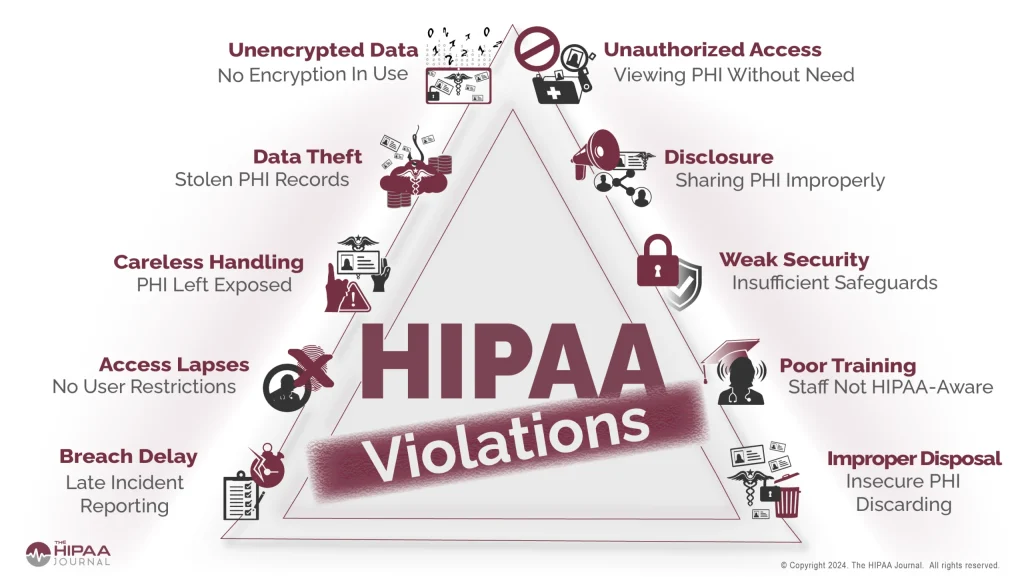
While pursuing aggressive local SEO tactics, never compromise patient privacy or violate healthcare advertising regulations.
Never discuss patient cases in reviews, blog posts, or social media—even with permission. Use generic testimonials or ensure patients provide written, HIPAA-compliant authorization. Avoid making unsubstantiated health claims that could violate FTC guidelines or state medical board regulations.
When showcasing before-and-after photos or case studies, obtain proper consent and follow all applicable regulations for your specialty and state.
Future Trends in Healthcare Local SEO
The landscape continues evolving, and staying ahead requires awareness of emerging trends:
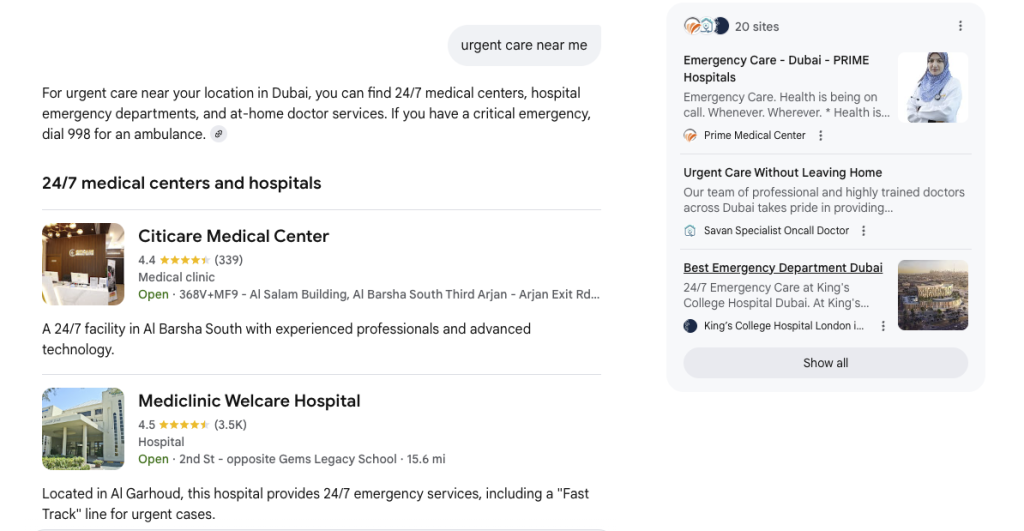
AI-powered search is changing how results are generated. Focus on comprehensive, authoritative content that AI can confidently reference.
Zero-click searches are increasing, where searchers get answers directly in search results. Optimize for featured snippets to maintain visibility even when users don’t click through.
Local inventory and service availability signals are becoming more important. Implement structured data showing appointment availability, services offered, and insurance accepted.
Telehealth integration affects local search. Even virtual visits have geographic considerations—ensure your telemedicine local optimization strategy addresses which states you’re licensed in and serve.
Taking Action on Your Local SEO Strategy
Improving your healthcare practice’s local search visibility doesn’t happen overnight, but consistent effort yields substantial results. Start with these immediate action steps:
- Claim and fully optimize your Google Business Profile today
- Audit your citations for consistency across all platforms
- Implement a review request system for satisfied patients
- Create location-specific service pages for your specialties
- Install local schema markup on your website
- Develop a content calendar focused on local health topics
Remember that local SEO for healthcare is an ongoing process, not a one-time project. Search algorithms evolve, competitors adapt, and patient behavior changes. Dedicate resources to maintaining and improving your local search presence consistently.
Conclusion
Local SEO for healthcare has transformed from a nice-to-have into an essential component of medical practice growth. When potential patients in your area search for healthcare services, your practice needs to appear prominently in those results.
By optimizing your Google Business Profile, building consistent citations, creating valuable local content, earning positive reviews, and maintaining technical excellence, you’ll improve your medical practice visibility and attract more patients from your community.
The practices that invest in local search optimization today will dominate their markets tomorrow. Whether you’re a small medical practice or a large healthcare system, implementing these healthcare SEO tips will help you connect with patients who need your services most.
Start with the fundamentals, measure your results, and continuously refine your approach. Your future patients are searching right now, make sure they find you first.


Leave a Comment