
The healthcare landscape has transformed dramatically over the past decade. Patients no longer flip through phone books to find medical providers, they search online. If your practice isn’t leveraging Google Ads for healthcare, you’re missing out on thousands of potential patients actively searching for the services you offer.
In this comprehensive guide, we’ll explore how medical practices, hospitals, and healthcare providers can harness the power of healthcare PPC advertising to attract more patients, increase appointments, and grow their practice sustainably.
Why Healthcare Providers Need Google Ads
Traditional marketing methods are losing effectiveness in the digital age. Meanwhile, medical practice Google Ads campaigns deliver measurable results that you can track in real-time. Here’s why healthcare organizations are investing heavily in paid search:
Immediate Visibility: Unlike SEO, which takes months to show results, healthcare digital marketing ads place your practice at the top of search results instantly. When someone searches “cardiologist near me” or “urgent care open now,” your ad can appear within hours of launching your campaign.
Targeted Patient Acquisition: Google Ads for Healthcare allows unprecedented targeting precision. You can reach patients based on their location, search intent, device, and even the time of day. This level of control makes patient acquisition Google Ads campaigns incredibly efficient compared to traditional advertising.
Measurable ROI: Every dollar spent on healthcare paid search marketing can be tracked. You’ll know exactly how many clicks, calls, and appointments each campaign generates, making it easy to calculate your Google Ads healthcare ROI.
Understanding Healthcare Google Ads Management
Running successful medical advertising campaigns requires specialized knowledge. Healthcare advertising operates under unique constraints that don’t apply to other industries, making professional healthcare Google Ads management essential.
The Compliance Challenge
Healthcare advertising compliance isn’t optional it’s mandatory. Your campaigns must adhere to HIPAA regulations, FDA guidelines, and state-specific medical advertising laws. HIPAA compliant Google Ads require careful attention to data privacy, patient information handling, and claim substantiation.
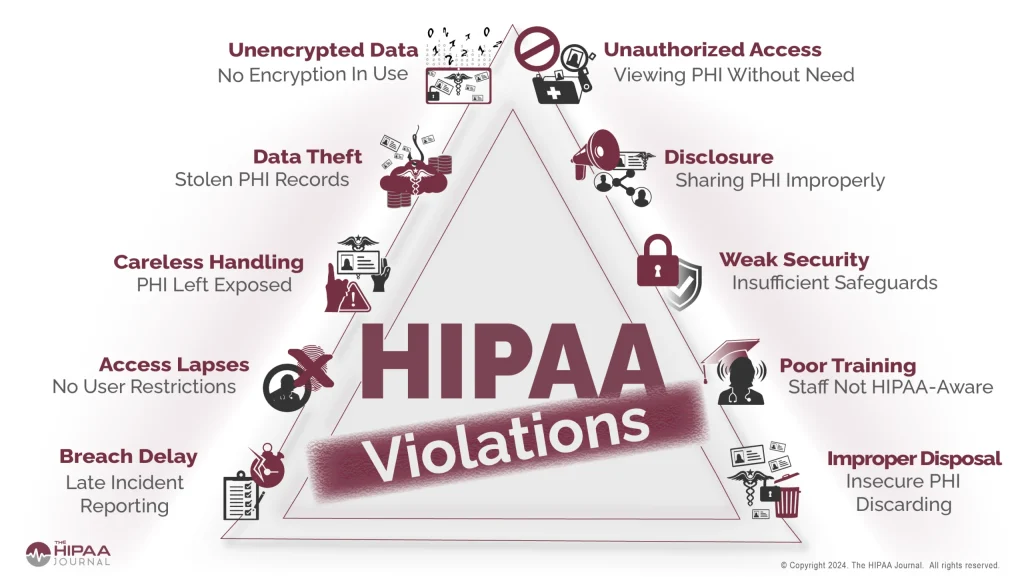
Never make unverifiable medical claims in your ad copy. Phrases like “guaranteed results” or “miracle cure” can trigger regulatory scrutiny and damage your practice’s reputation. Instead, focus on your credentials, patient experience, and evidence-based treatment approaches.
Building a Medical PPC Strategy That Works
A winning medical PPC strategy starts with understanding patient search behavior. Healthcare searches typically fall into three categories:
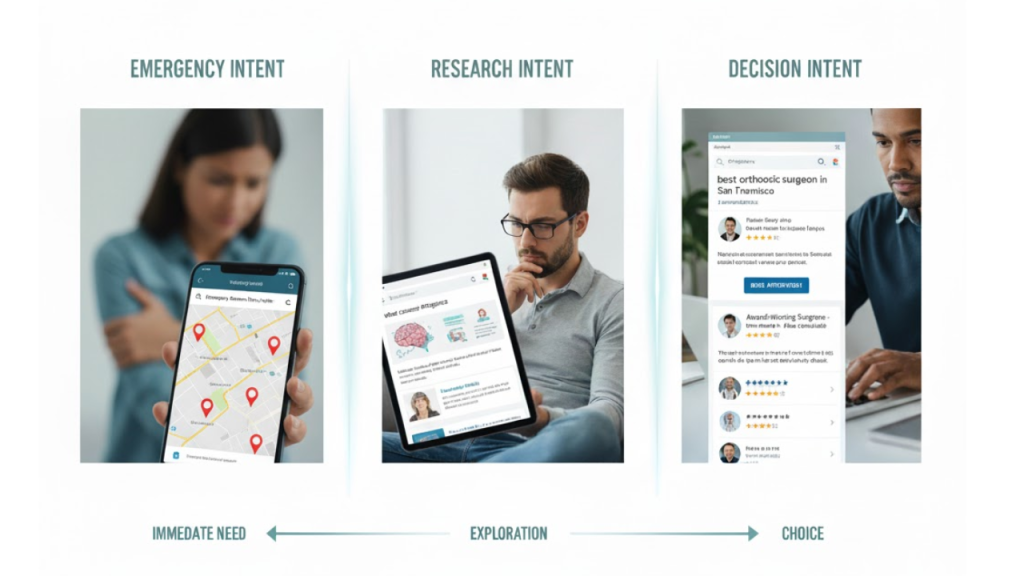
Emergency Intent: “Emergency room near me” or “urgent care open now” indicate immediate need. These high-intent searches convert rapidly but require 24/7 campaign management.
Research Intent: “What causes migraines” or “knee replacement recovery time” represent patients early in their healthcare journey. Educational content paired with soft-sell ads works best here.
Decision Intent: “Best orthopedic surgeon in [city]” or “dental implants cost” signal patients ready to choose a provider. These searches deserve your highest bids and most persuasive ad copy.
Implementing Google Ads for Doctors and Specialists
Google Ads for doctors requires specialty-specific strategies. What works for a dermatology practice won’t necessarily work for a cardiac surgery center. Let’s explore how different medical specialties can optimize their campaigns.
Primary Care and Family Medicine
Family physicians benefit from targeting broad, local searches. Focus on convenience factors like “same-day appointments,” “accepting new patients,” and “evening hours available.” Your medical practice ad campaigns should emphasize accessibility and comprehensive care.
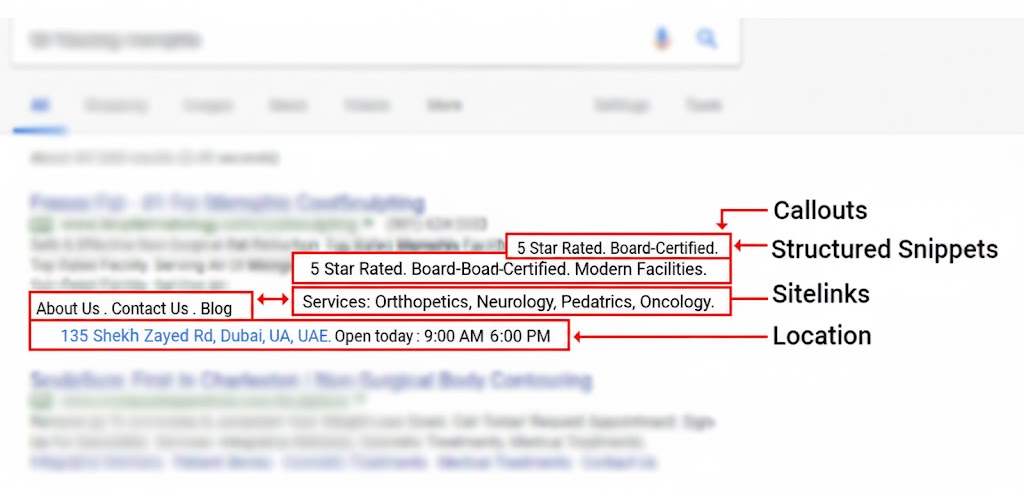
Use location extensions to display your address and directions. Call extensions are crucial, many patients prefer scheduling by phone rather than filling out forms. For family practices, approximately 40-60% of ad clicks should convert to phone calls during business hours.
Specialty Medical Practices
Specialists need to target more specific searches. An orthopedic surgeon might target “ACL tear treatment,” “hip replacement surgeon,” or “sports medicine doctor.” These healthcare lead generation ads attract patients with specific conditions who’ve likely been referred or are actively researching treatment options.
Highlight your subspecialty credentials and experience. Patients searching for specialists want to know you’re an expert in their specific condition. Include board certifications, fellowship training, and years of experience in your ad copy.
Dental Practices
Dental practices often see the highest ROI from hospital advertising on Google equivalents. People frequently search for emergency dental care, cosmetic procedures, and routine services. Target both pain-point keywords (“toothache relief”) and elective procedure keywords (“teeth whitening,” “veneers”).
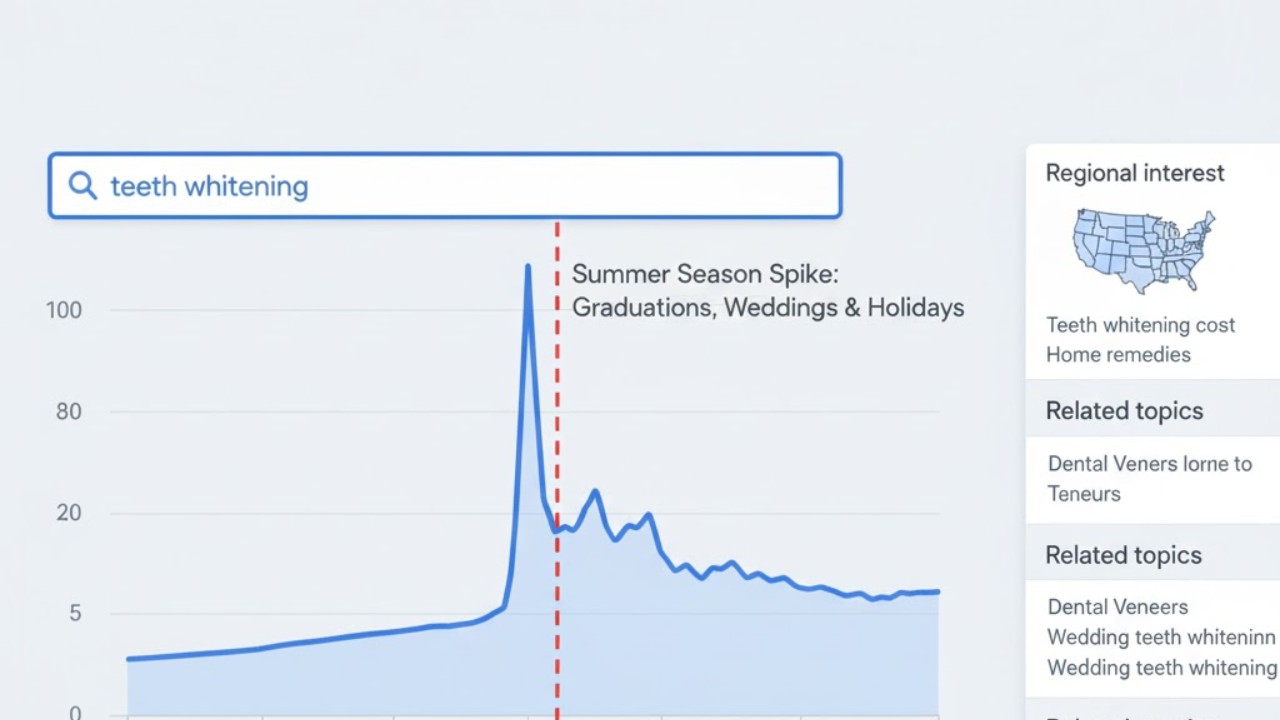
Consider seasonal trends. Teeth whitening searches spike before weddings and holidays. Orthodontic searches increase in late summer as parents prepare for the school year. Adjust your budget allocation accordingly.
Healthcare Google Ads Best Practices for Maximum Impact
Success with Google Ads for healthcare depends on following proven best practices while avoiding common pitfalls. Here are the strategies that separate top-performing campaigns from mediocre ones.
Craft Compelling Ad Copy
Your ad copy must resonate emotionally while remaining factually accurate. Start with the patient’s problem or concern. “Living with chronic back pain?” connects immediately with your target audience. Follow with your unique solution: “Board-certified pain management specialists offering same-day consultations.”
Include specific calls-to-action. “Schedule your free consultation” outperforms generic “Learn more” buttons by 30-50%. Use ad extensions to provide additional information like ratings, services, and locations without inflating costs.
Optimize Your Landing Pages
The best medical practice Google Ads fail without proper landing pages. Your landing page should mirror your ad copy’s messaging and provide a clear path to conversion. If your ad promotes “same-day appointments,” your landing page should feature prominent scheduling options.
Include trust signals: credentials, patient testimonials, awards, and affiliations. Healthcare decisions involve significant trust, so demonstrate your credibility immediately. Display your privacy policy prominently to address HIPAA concerns.
Leverage Negative Keywords
Negative keywords prevent your ads from appearing for irrelevant searches, improving your click-through rate and reducing wasted spend. For medical practices, common negative keywords include “free,” “DIY,” “home remedy,” “jobs,” “careers,” and “salary.”
If you’re a private practice, add “medicaid” and “free clinic” as negatives if you don’t accept those payment methods. This strategic filtering ensures your healthcare digital marketing ads reach only qualified potential patients.
Geographic Targeting Precision
Most patients choose healthcare providers within 5-15 miles of their home or workplace. Use radius targeting around your practice locations rather than broad city or state targeting. This geographical precision dramatically improves patient acquisition Google Ads conversion rates.
Create separate campaigns for each location if you have multiple offices. This allows you to customize ad copy, budgets, and strategies based on each location’s unique patient demographics and competition level.
Advanced Strategies for Healthcare Lead Generation Ads
Once you’ve mastered the basics, these advanced tactics will elevate your healthcare lead generation ads performance and maximize your return on investment.
Remarketing to Engaged Prospects
Most patients don’t convert on their first visit. Remarketing keeps your practice top-of-mind for people who’ve visited your website but haven’t scheduled. Create segmented remarketing lists based on pages viewed, time on site, and actions taken.
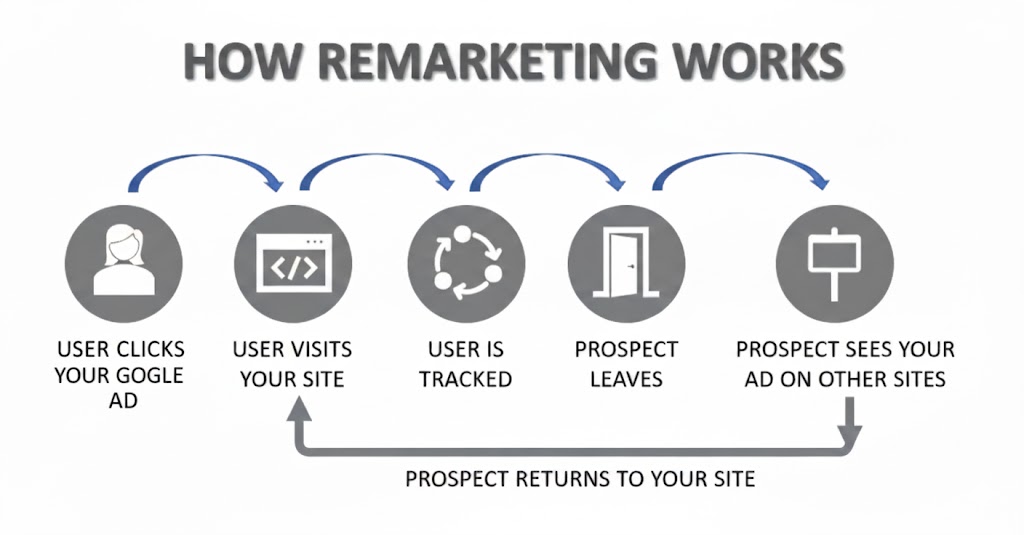
Someone who spent five minutes reading about knee replacement surgery but didn’t schedule is a hot prospect. Show them follow-up ads highlighting patient success stories, financing options, or limited-time consultation offers.
Dayparting for Maximum Efficiency
Healthcare searches follow predictable patterns. Many people search during lunch breaks (12-2pm) or after work (5-8pm). Adjust your bid modifiers to increase visibility during high-conversion time periods and reduce spend during low-performing hours.
For practices offering 24/7 services, nighttime searches often indicate emergency intent and convert at higher rates. Allocate appropriate budget to capture these high-value searches.
Responsive Search Ads for Healthcare
Responsive search ads allow you to test multiple headlines and descriptions simultaneously. Google’s machine learning identifies the best-performing combinations for different search queries. For medical advertising campaigns, test variations emphasizing different benefits: expertise, convenience, technology, or patient satisfaction.
Include at least one headline and description addressing common patient concerns like insurance acceptance, wait times, or payment options. These practical considerations often outweigh emotional appeals in healthcare decision-making.
Measuring Success: Google Ads Healthcare ROI
Tracking the right metrics separates profitable campaigns from money-losing ventures. Here’s how to properly measure your Google Ads healthcare ROI and make data-driven optimization decisions.
Essential Metrics to Monitor
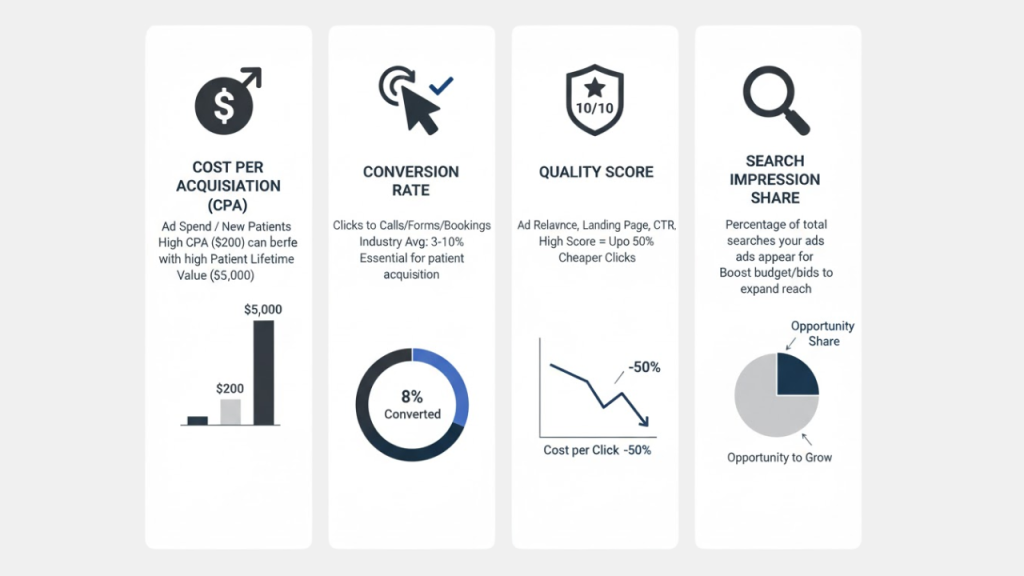
Cost Per Acquisition (CPA): Calculate how much you spend to acquire each new patient. Include not just the ad spend but also the patient’s lifetime value. A $200 CPA might seem expensive until you realize that patient will generate $5,000 in revenue over three years.
Conversion Rate: Track what percentage of ad clicks convert to phone calls, form submissions, or appointment bookings. Healthcare conversion rates typically range from 3-10%, depending on specialty and competition level.
Quality Score: Google assigns quality scores based on ad relevance, landing page experience, and expected click-through rate. Higher quality scores reduce your cost per click by up to 50%, making this metric crucial for healthcare paid search marketing efficiency.
Search Impression Share: This reveals what percentage of available searches your ads captured. If you’re only appearing for 30% of relevant searches, increasing budget or bids could dramatically expand your patient reach.
Attribution and Patient Journey Tracking
Healthcare decision journeys are rarely linear. A patient might see your ad, visit your website, read reviews on a separate site, return via organic search, and finally call to schedule. Implement call tracking, form analytics, and multi-touch attribution to understand the complete patient journey.
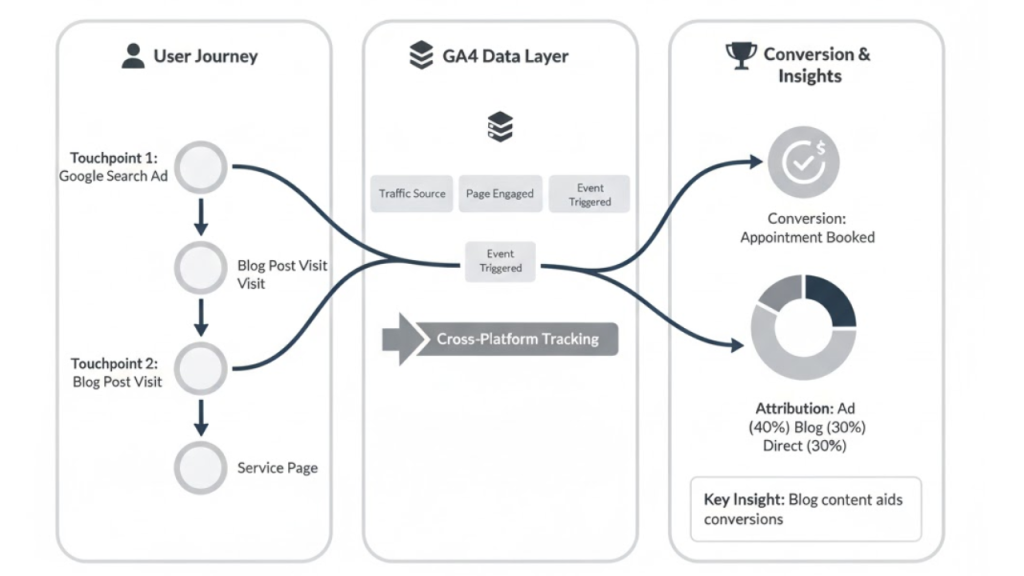
Use Google Analytics 4 to track how different touchpoints contribute to conversions. This comprehensive view prevents undervaluing medical practice ad campaigns that assist conversions even when they don’t directly generate them.
Common Pitfalls in Healthcare PPC Advertising
Even experienced marketers make mistakes with healthcare PPC advertising. Avoid these common pitfalls to protect your budget and reputation.
Ignoring Mobile Optimization
Over 60% of healthcare searches occur on mobile devices. If your landing pages aren’t mobile-friendly or your phone number isn’t click-to-call enabled, you’re losing half your potential patients. Mobile users have different needs, they want quick information, easy navigation, and immediate contact options.
Overlooking Local Service Ads
Google’s Local Service Ads appear above traditional search ads for many healthcare categories. These “Google Guaranteed” badges provide powerful social proof. If available for your specialty, Local Service Ads should complement your traditional Google Ads for healthcare strategy.
Setting and Forgetting Campaigns
Healthcare markets change constantly. New competitors launch campaigns, seasonal trends shift patient demand, and Google updates its algorithms. Review your campaigns at least weekly, making adjustments based on performance data. Healthcare Google Ads management requires ongoing attention, not a set-it-and-forget-it approach.
Inadequate Budget Allocation
Many practices spread budgets too thin across multiple campaigns, preventing any single campaign from generating meaningful results. Start with one or two high-priority campaigns, optimize them until profitable, then expand. Concentrated effort beats scattered activity.
The Future of Medical Practice Google Ads
Healthcare advertising continues evolving rapidly. Voice search optimization, AI-powered bidding strategies, and video ads are reshaping the landscape. Practices that adapt quickly will dominate their markets while competitors struggle.
Artificial intelligence is transforming medical PPC strategy through automated bidding, dynamic ad creation, and predictive analytics. These tools allow smaller practices to compete with larger healthcare systems by maximizing efficiency and reducing management time.
Telemedicine and virtual care services have created entirely new advertising opportunities. Patients now search for “online doctor consultation” and “virtual therapy sessions” in unprecedented numbers. Forward-thinking practices are capturing these searches with specialized campaigns.
Taking Action: Your Healthcare Google Ads Roadmap
Success with Google Ads for healthcare doesn’t happen overnight, but following a structured approach accelerates results:
Month 1: Establish your foundation. Set up conversion tracking, create HIPAA compliant Google Ads campaigns for your highest-priority services, and build optimized landing pages.
Month 2-3: Gather data and optimize. Analyze which keywords, ads, and landing pages perform best. Eliminate underperformers and double down on winners.
Month 4+: Scale and expand. Add new campaigns, test advanced strategies like remarketing, and continuously refine your approach based on performance data.
The practices dominating local healthcare markets aren’t necessarily the largest or most established, they’re the ones leveraging healthcare digital marketing ads most effectively. With the right strategy, compliance framework, and optimization approach, your practice can achieve similar success.
Whether you’re just starting with hospital advertising on Google or looking to improve existing campaigns, the opportunity to connect with patients actively seeking your services has never been greater. The question isn’t whether to use Google Ads for your healthcare practice, it’s how quickly you can implement a winning strategy and start converting searches into satisfied patients.
Northstone Insights provides healthcare organizations with the research, benchmarks, and consulting-grade frameworks necessary to navigate this digital transformation successfully. Our analysis confirms that healthcare digital marketing is not merely an operational upgrade but a strategic imperative for organizations committed to growth, efficiency, and patient-centered care delivery in 2026 and beyond.


Leave a Comment