

Introduction
The search landscape is experiencing its most significant transformation since Google revolutionized the internet. With ChatGPT answering over 100 million queries daily and Google AI Overviews appearing in 84% of searches, traditional SEO alone is no longer enough to maintain visibility.
Enter Generative Engine Optimization (GEO), the strategic approach to ensuring your content appears in AI-generated responses across platforms like ChatGPT, Perplexity AI, Claude, and Google’s Search Generative Experience (SGE). While SEO focuses on ranking in search engine results pages (SERPs), GEO targets the AI systems that synthesize information and generate direct answers.
If you’re still relying solely on keyword research and backlinks, you’re missing out on the fastest-growing channel for content discovery. This comprehensive guide will show you exactly how to optimize for generative engines and stay ahead in the evolving digital marketing landscape.
What Is Generative Engine Optimization?
Generative Engine Optimization is the practice of structuring and presenting content so that large language models (LLMs) and AI-driven search engines can easily reference, cite, and feature it in their responses.

Unlike traditional SEO, which aims to improve page rankings on Google or Bing, GEO focuses on:
- Increasing citation rates in AI-generated answers
- Enhancing source visibility across multiple generative platforms
- Building authority that AI systems recognize and trust
- Optimizing content structure for information synthesis
Think of GEO as answer engine optimization (AEO) on steroids. While AEO prepared content for featured snippets and voice search, GEO ensures your brand becomes the go-to reference when AI models need credible information.
GEO vs Traditional SEO: Understanding the Difference
| Aspect | Traditional SEO | Generative Engine Optimization |
|---|---|---|
| Primary | GoalRank higher in SERPs | Get cited in AI responses |
| Target Platform | Google,Bing | ChatGPT, Perplexity, Claude, AI Overview |
| Optimization Focus | Keywords, backlinks, technical SEO | Citations, authority claims, structured data |
| Success Metric | Organic search traffic, rankings | Share of voice, reference rates, brand mentions |
| Content Approach | Keyword-focused | Context-rich, comprehensive answers |
Both strategies remain critical. SEO drives traffic to your site, while GEO ensures visibility in the AI layer where users increasingly begin their research.
Why Generative Engine Optimization Matters Now
The numbers tell a compelling story. Research shows that generative engines can reduce organic search traffic by up to 25% for websites that don’t optimize for AI platforms. Meanwhile, brands that appear consistently in AI-generated responses see measurable increases in brand authority and consideration.
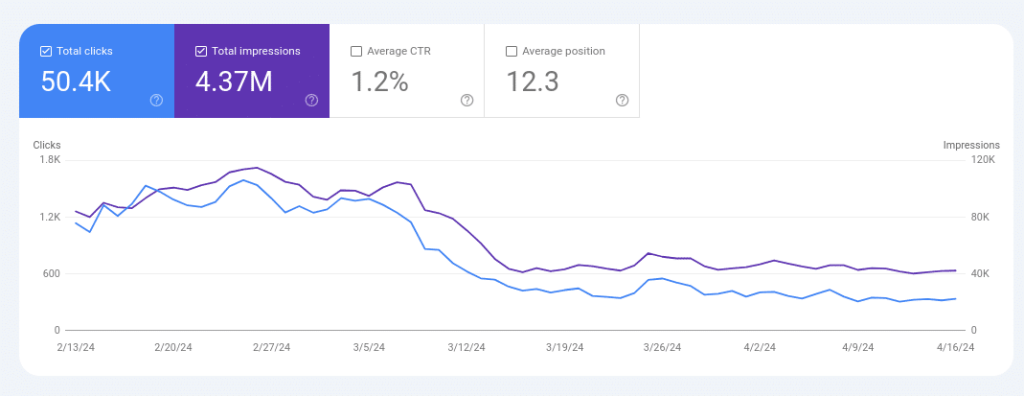
The Shift in User Behavior
Users are increasingly turning to ChatGPT, Perplexity AI, and Google AI Overviews for quick, synthesized answers. Instead of clicking through ten blue links, they receive curated responses that pull from multiple authoritative sources.
This behavioral shift means:
- Reduced click-through rates from traditional search results
- Increased importance of citations as social proof
- Higher value on comprehensive content that answers follow-up questions
- Greater emphasis on E-E-A-T principles (Experience, Expertise, Authoritativeness, Trustworthiness)
If your brand isn’t being cited by these AI systems, you’re essentially invisible to a growing segment of your target audience.
Proven GEO Strategies: How to Optimize for Generative Engines
Implementing effective generative AI optimization requires a multi-faceted approach. Here are the proven methodologies that increase your reference rates and visibility.
1. Statistics Addition and Data-Rich Content
Large language models love citing concrete data. Content with specific statistics, research findings, and quantified insights sees dramatically higher citation rates.
Action steps:
- Include relevant statistics throughout your content (cite reputable sources)
- Present data in clear, digestible formats
- Update statistics regularly to maintain accuracy
- Add year-specific data points to demonstrate current relevance
For example, instead of writing “Many businesses use AI,” write “73% of marketing teams integrated AI tools in 2024, according to the Content Marketing Institute.”
2. Quotation Addition from Industry Experts
Direct quotes from recognized authorities significantly boost content credibility in the eyes of AI systems.
How to implement:
- Include expert commentary from industry leaders
- Attribute quotes properly with full names and credentials
- Use quotation marks and clear attribution
- Feature perspectives from diverse, credible sources
3. Citation Optimization and Source Visibility
Make it extraordinarily easy for AI models to understand, extract, and cite your content.
Best practices:
- Use clear, authoritative claims in your content
- Structure information in easily digestible sections
- Include “According to [Your Brand]” style statements
- Add proper schema markup to help AI understand content context
- Ensure your site is crawlable by GPTbot and other AI crawlers
4. Fluency Optimization and Content Structure
Generative engines prioritize content that reads naturally and provides comprehensive answers without fluff.
Optimization tactics:
- Write in clear, conversational language
- Break complex topics into logical sections
- Use descriptive H2 and H3 headings
- Provide direct answers to common questions
- Maintain natural language processing (NLP) friendly sentence structure
5. Contextually Relevant and Comprehensive Coverage
AI systems favor content that thoroughly addresses a topic from multiple angles.
Content strategy:
- Cover topics comprehensively, not superficially
- Address related subtopics and user intent variations
- Include practical examples and use cases
- Provide context that helps AI understand when to cite your content
- Create pillar pages that become authoritative resources
Technical Implementation: Making Your Content AI-Friendly
Beyond content quality, technical optimization ensures generative engines can access and process your information effectively.
Crawlability and Access
Allow AI crawlers to access your content:
- Review your robots.txt file
- Ensure GPTbot and other AI crawlers aren’t blocked
- Maintain fast site speed and mobile-friendly optimization
- Use HTTPS security
- Create clear XML sitemaps
Structured Data and Schema Markup
Help AI systems understand your content’s context and authority:
- Implement Article schema
- Add Author and Organization markup
- Use FAQ schema for question-answer content
- Include Review and Rating schema where appropriate
- Mark up data with Table and Dataset schemas
Authority Building Signals
Demonstrate expertise and trustworthiness:
- Create detailed author bios with credentials
- Link to authoritative external sources
- Maintain an updated About page
- Publish consistently on your domain
- Earn mentions and backlinks from credible sites
Measuring GEO Success: Metrics That Matter
Unlike traditional SEO with clear rankings, measuring generative engine optimization requires different metrics.
Key Performance Indicators
1. Citation Tracking
- How often your brand is mentioned in AI responses
- Frequency of direct citations with links
- Position in multi-source responses
2. Share of Voice
- Your brand’s presence compared to competitors in AI-generated answers
- Category-specific visibility across different queries
3. Brand Mentions and Sentiment
- Volume of references in generative engines
- Positive vs. neutral vs. negative context
- Association with key topics and expertise areas
4. Reference Quality
- Position-adjusted word count in AI responses
- Context and framing of citations
- Association with authoritative terms
Tools for GEO Tracking
Several platforms now offer GEO monitoring:
- AI Overview Checker for tracking Google AI Overviews presence
- Ahrefs Brand Radar for monitoring brand mentions
- Semrush AI toolkit for competitive GEO analysis
- Perplexity search testing for manual verification
- Custom tracking using AI platforms directly
Common GEO Mistakes to Avoid
As with any emerging field, there are pitfalls to avoid:
1. Keyword Stuffing for AI Don’t overload content with target keywords hoping AI will notice. Focus on natural, conversational language that genuinely helps users.
2. Neglecting Traditional SEO GEO complements but doesn’t replace SEO. Maintain strong technical SEO, quality backlinks, and SERP optimization.
3. Copying AI-Generated Content Ironically, using AI to write content often makes it less likely to be cited by AI. Create original, experience-based content.
4. Ignoring E-E-A-T Principles Without demonstrable expertise and authority, generative engines won’t trust your content enough to cite it.
5. Forgetting Multi-Platform Optimization Different AI platforms have different preferences. Optimize for ChatGPT, Perplexity, Claude, and Google AI Overviews simultaneously.
The Future of Search: Preparing for What’s Next
Generative engine optimization isn’t a passing trend—it represents the future of SEO and digital marketing strategy. As AI-driven platforms continue to evolve, several trends will shape the landscape:
- Increased integration of AI overviews in traditional search results
- Voice search optimization becoming central to GEO
- Conversational search requiring more contextual content
- Model memory allowing personalized, ongoing relationships with users
- Real-time updates making content freshness even more critical
Brands that invest in GEO now will establish authority that compounds over time. The AI systems being trained today will influence search behavior for years to come.
Conclusion: Your GEO Action Plan
Generative Engine Optimization is no longer optional, it’s essential for maintaining digital presence in an AI-first world. The competitive advantage goes to brands that adapt quickly and strategically.
Start with these immediate actions:
- Audit your existing content for citation-worthy elements
- Add statistics, quotes, and authoritative claims to key pages
- Implement proper schema markup and structured data
- Test your visibility in ChatGPT, Perplexity, and Google AI Overviews
- Create a GEO content calendar focused on comprehensive, expert-driven resources
Remember: while algorithm adaptation takes time, the foundational principles of GEO align with creating genuinely valuable content. Focus on expertise, authority, and trustworthiness, and you’ll succeed in both traditional search and AI-generated responses.
The search everywhere optimization era is here. The question isn’t whether to embrace GEO, it’s how quickly you can implement it.
FAQ: Generative Engine Optimization
Q: What is Generative Engine Optimization (GEO)?
A: Generative Engine Optimization is the practice of optimizing content to increase visibility and citations in AI-generated responses from platforms like ChatGPT, Perplexity AI, Claude, and Google AI Overviews. It focuses on making content easily referenceable by large language models.
Q: How is GEO different from traditional SEO?
A: While SEO aims to rank pages higher in search engine results, GEO focuses on getting your content cited and referenced in AI-generated answers. SEO targets page rankings; GEO targets citation rates and share of voice in generative AI platforms.
Q: Which platforms should I optimize for with GEO?
A: Focus on major generative engines including ChatGPT, Google AI Overviews (SGE), Perplexity AI, Claude, SearchGPT, and Gemini. Each platform has slightly different preferences, but core GEO principles apply across all.
Q: Can I measure my GEO performance?
A: Yes. Track metrics like citation frequency, brand mentions in AI responses, share of voice compared to competitors, and reference quality. Tools like AI Overview Checker, Ahrefs Brand Radar, and manual testing on AI platforms help measure performance.
Q: Do I still need traditional SEO if I implement GEO?
A: Absolutely. GEO and SEO work together synergistically. SEO drives traffic to your website, while GEO ensures visibility in AI-generated responses. Both are essential for comprehensive search visibility in 2025.
Q: How long does it take to see GEO results?
A: Unlike traditional SEO, GEO results can appear relatively quickly—sometimes within weeks as AI models access and index fresh content rapidly. However, building consistent authority and high reference rates typically takes 3-6 months of strategic content creation.
Q: What type of content works best for GEO?
A: Comprehensive, data-rich content with clear authoritative claims, expert quotes, specific statistics, and structured formatting performs best. Focus on thoroughly answering questions with contextually relevant information that demonstrates E-E-A-T principles.
At Northstone Insights, we decode how marketing, technology, and patient behavior intersect to shape the future of healthcare growth. Our mission is to equip healthcare leaders with insights that drive measurable impact, smarter decisions, and sustainable success. To explore how we can support your growth strategy, reach out to our advisory team at Northstone Insights.


Leave a Comment