

Here’s something most healthcare marketers get wrong: they’re still talking at patients instead of talking with them.
I’ve watched countless hospitals and clinics pour money into billboards and radio ads, wondering why they’re not seeing results. The reality is simple, patients don’t want to be “marketed to” anymore. They want to be understood, heard, and treated like actual humans (not just insurance claim numbers).
Patient-centric healthcare marketing flips the traditional approach on its head. Instead of pushing out generic messages about “world-class care” and “state-of-the-art facilities,” it puts the patient’s needs, preferences, and experiences front and center. And it’s not just a trend, it’s becoming the new standard.
Let me explain why this shift matters and how you can adapt your healthcare marketing strategy before you’re left behind.
Why Patient-Centric Marketing Is Taking Over Healthcare
Think about the last time you researched a health concern. You probably started with Google, checked online reviews, maybe scrolled through a practice’s social media. You didn’t call and ask for a brochure.

That’s the thing, patients have changed how they make healthcare decisions. They’re comparing providers like they compare restaurants on Yelp. They’re reading patient testimonials, watching doctor introduction videos, and checking wait times online before they even consider making an appointment.
The numbers back this up. Recent studies show that 77% of patients use online reviews as their first step in finding a new provider. Another 70% say they want personalized communication from their healthcare providers. Not generic newsletters. Personalized.
This is where traditional healthcare marketing falls flat. It’s designed around what you want to say, not what patients actually need to hear.
The 7 Core Elements of Patient-Centric Healthcare Marketing
1. Meeting Patients Where They Are (Literally and Digitally)
Your patients aren’t sitting around waiting for your quarterly mailer. They’re on their phones at 11 PM researching symptoms, comparing specialists on Instagram, and asking their neighbors about pediatricians in Facebook groups.

Effective healthcare marketing strategies now include:
- Social media presence that answers real questions (not just promotional posts)
- Mobile-responsive websites that load fast and make scheduling easy
- Telehealth options prominently featured
- Content that shows up when patients search at 2 AM feeling anxious
You might be wondering if this means you need to be everywhere all at once. Not exactly. Start where your specific patient population spends their time. Dermatology targeting Gen Z? TikTok might matter. Orthopedics for seniors?
Facebook and clear, accessible website design win.
2. Transparency That Actually Builds Trust
Let’s be honest, healthcare has a trust problem. Between confusing bills, long wait times, and the general opacity of medical pricing, patients feel like they’re operating in the dark.

Smart healthcare marketing addresses this head-on. I’ve seen practices transform their patient acquisition simply by:
- Publishing clear pricing for common procedures (yes, actually listing prices)
- Showing real wait time estimates
- Explaining insurance acceptance upfront
- Being honest about what’s covered in initial consultations
This isn’t just nice to have. It’s what patients expect now. When your competitor down the street lists their prices and you don’t, guess who gets the appointment?
3. Personalization Beyond “Dear [First Name]”
Real personalization in healthcare marketing means using data to deliver relevant information at the right time. Not creepy surveillance stuff, just helpful communication.
Think about it this way: If someone just had knee surgery, they don’t need emails about your new maternity ward. They need post-op care instructions, physical therapy recommendations, and maybe tips for managing recovery at home.
Modern healthcare marketing platforms let you segment based on:
- Patient age and demographics
- Previous visits or procedures
- Specific health interests or concerns
- Stage in their care journey
The practices doing this well see email open rates jump from 15% to 45%. That’s not a typo.
4. Content That Actually Helps (Not Just Promotes)
Here’s what I’ve learned working with dozens of healthcare providers: promotional content gets ignored. Helpful content gets shared.
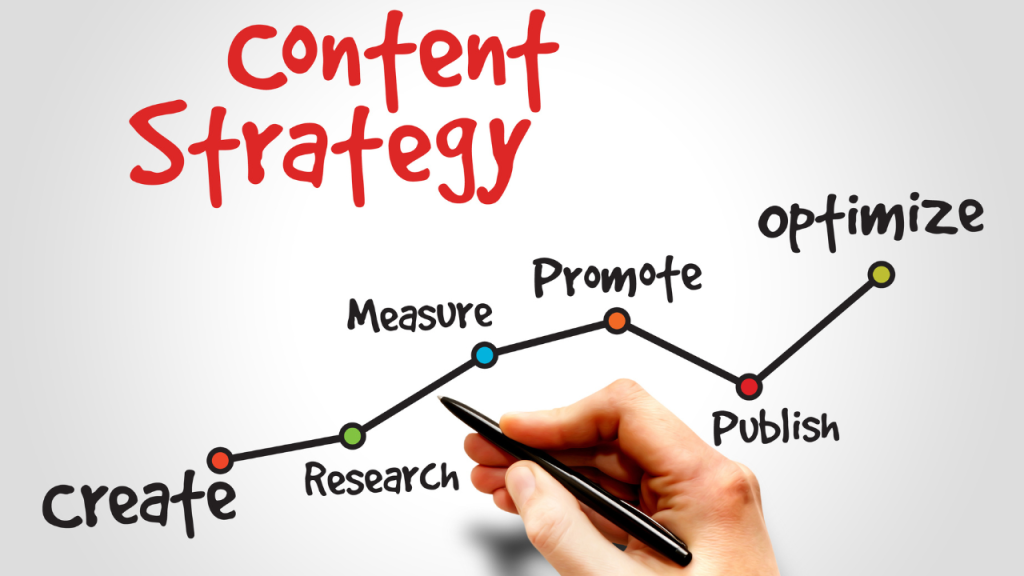
Patient-centric content marketing means creating resources that answer the questions patients are actually asking:
- “What should I expect during my first therapy session?”
- “How do I know if my child’s fever needs urgent care?”
- “What questions should I ask before choosing a surgeon?”
The best healthcare marketing content educates first and promotes second. Or even third. Write blog posts, create videos, develop downloadable guides—whatever format helps patients make better decisions about their health.
And please, skip the medical jargon. If you need a medical degree to understand your marketing materials, you’ve already lost most of your audience.
5. Reviews and Reputation Management (Because Patients Listen to Each Other)
You know what’s more convincing than any ad you could run? A review from someone who had the same health concern.
Patient reviews aren’t just important, they’re often the deciding factor. But here’s where most healthcare marketing strategies miss the mark: they either ignore reviews completely or only respond to the positive ones.
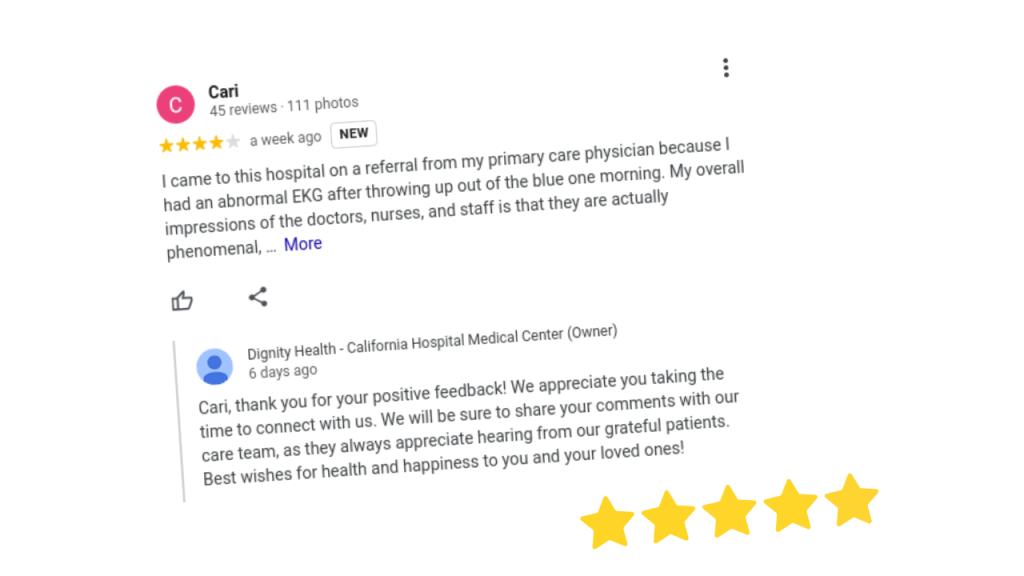
The reality is that how you respond to negative reviews matters more than the review itself. I’ve watched practices turn 1-star reviewers into advocates simply by responding with empathy, taking concerns seriously, and offering to make things right.
Your healthcare marketing plan should include:
- Actively requesting reviews from satisfied patients
- Monitoring all review platforms (Google, Healthgrades, Vitals, etc.)
- Responding to every review, positive and negative
- Using feedback to actually improve patient experience
That last point? Non-negotiable. If multiple patients complain about wait times and you do nothing, no marketing strategy will save you.
6. Accessibility and Inclusivity That Goes Beyond Compliance
Patient-centric means all patients. Not just the ones who speak English, have reliable internet, or can easily navigate a complex website.
Healthcare marketing that truly serves patients considers:
- Multiple language options (both on your website and in your office)
- Accessible design for people with disabilities
- Cultural sensitivity in messaging and imagery
- Various communication preferences (some patients prefer texts, others want calls)
This isn’t just about being nice. It’s about reaching the actual population you serve. If 30% of your community speaks Spanish as their primary language and your entire marketing presence is English-only, you’re leaving patients (and revenue) on the table.
7. Data-Driven Decisions (Without Losing the Human Touch)
The best patient-centric healthcare marketing strategies use data to inform decisions not replace human judgment.

Track what matters:
- Which marketing channels bring in new patients
- What content resonates most with your audience
- Where patients drop off in the appointment booking process
- Patient satisfaction scores and how they correlate with marketing touchpoints
But here’s the catch: don’t get so obsessed with metrics that you forget you’re dealing with people facing health concerns. Sometimes the campaign with the lower click-through rate is actually more effective because it reaches the right people at the right time.
Making the Shift: Where to Start
I get it, overhauling your entire healthcare marketing approach feels overwhelming. You don’t have to do everything at once.
Start here:
Week 1: Audit your current marketing through a patient’s eyes. Book a test appointment through your website. Google your practice. Read your recent social media posts. Is it helpful or just promotional?
Week 2: Talk to actual patients. Ask what information they wished they had before their first visit. Find out how they prefer to communicate. Listen more than you talk.
Week 3: Make one meaningful change. Maybe it’s adding online scheduling. Perhaps it’s publishing prices for your most common services. Could be starting a helpful blog series.
You’ll learn more from taking action than from planning indefinitely.
The Bottom Line: Marketing in Healthcare Has Changed
The practices thriving right now aren’t the ones with the biggest marketing budgets. They’re the ones that genuinely put patients first—not as a slogan, but as an operational reality reflected in every marketing touchpoint.
Patient-centric healthcare marketing works because it aligns what you’re saying with what patients actually need. It builds trust through transparency. It meets people where they are, both physically and emotionally.
Will it require rethinking how you approach healthcare marketing? Absolutely. Will it take more effort than blasting generic ads? Probably. But the alternative—continuing with outdated marketing strategies while your competitors evolve—isn’t really an option anymore.
The healthcare providers winning patient loyalty in 2025 are the ones who realized that effective marketing isn’t about being the loudest. It’s about being the most helpful.
FAQ: Patient-Centric Healthcare Marketing
What is patient-centric healthcare marketing?
Patient-centric healthcare marketing prioritizes the patient’s needs, preferences, and experiences in all marketing strategies and communications. It focuses on building relationships and providing value rather than just promoting services.
How is patient-centric marketing different from traditional healthcare marketing?
Traditional healthcare marketing pushes out generic promotional messages. Patient-centric approaches listen to patient needs first, then create personalized, helpful content and experiences that address those specific needs throughout the patient journey.
What are the key benefits of patient-centric marketing for healthcare providers?
The main benefits include increased patient trust and loyalty, higher patient satisfaction scores, better online reviews, improved patient acquisition and retention rates, and ultimately, stronger practice growth and reputation.
How do I measure the success of patient-centric healthcare marketing?
Track metrics like patient satisfaction scores, online review ratings and volume, new patient acquisition by channel, patient retention rates, engagement with your content (email opens, website time on page), and conversion rates for appointment bookings.
Do small healthcare practices need patient-centric marketing?
Yes—even more so. Smaller practices can’t compete on advertising budget alone, but they can build stronger patient relationships through personalized, patient-focused communication and experiences. It’s often their biggest competitive advantage.
What’s the first step in implementing patient-centric healthcare marketing?
Start by listening to your patients. Conduct surveys, review feedback, analyze common questions, and understand their journey from awareness to appointment. Use those insights to guide your marketing strategy and messaging.
At Northstone Insights, we decode how marketing, technology, and patient behavior intersect to shape the future of healthcare growth. Our mission is to equip healthcare leaders with insights that drive measurable impact, smarter decisions, and sustainable success. To explore how we can support your growth strategy, reach out to our advisory team at Northstone Insights.


Leave a Comment