
Let’s be honest: senior care marketing isn’t getting any easier.
You’re competing for attention in a crowded market where families are making one of the most emotional decisions of their lives. They’re stressed, overwhelmed, and probably Googling at 2 AM trying to figure out how to care for Mom or Dad.

Here’s the thing, traditional marketing playbooks don’t always work in senior care. You can’t just throw money at Facebook ads and hope for the best. The buying cycle is long, the decision-makers are often adult children (not the seniors themselves), and trust is everything.
We’ve worked with dozens of senior living communities and home care agencies, and we’ve seen what separates the facilities with waiting lists from those struggling to fill beds. It comes down to strategic, empathetic senior care marketing that meets families where they are.
In this guide, we’ll walk you through eleven strategies that actually move the needle. No fluff, no generic advice, just what works in practice.
Why Senior Care Marketing Is Different (And Why That Matters)
Before we jump into tactics, you need to understand something critical about this space.
Senior care marketing isn’t like selling software or sneakers. You’re dealing with family caregivers who are often exhausted, guilty, and terrified of making the wrong choice. The stakes feel impossibly high.
The buying cycle can stretch from 6 months to 2 years. That’s a long time to stay top-of-mind without being pushy or salesy.
Plus, you’re usually marketing to two audiences at once: the adult children who are researching and making decisions, and the seniors themselves who need to feel comfortable and respected. Balancing both perspectives? That’s where most senior care advertising strategies fall flat.
1. Build a Senior Care Content Marketing Engine That Answers Real Questions
Content marketing might sound like buzzword territory, but it’s genuinely one of the most effective senior care lead generation tools available.
Think about it this way: When someone starts researching memory care options, they’re not ready to call you yet. They’re trying to understand if their parent even needs memory care. They’re wondering about costs, what to look for during tours, and how to have that difficult conversation.
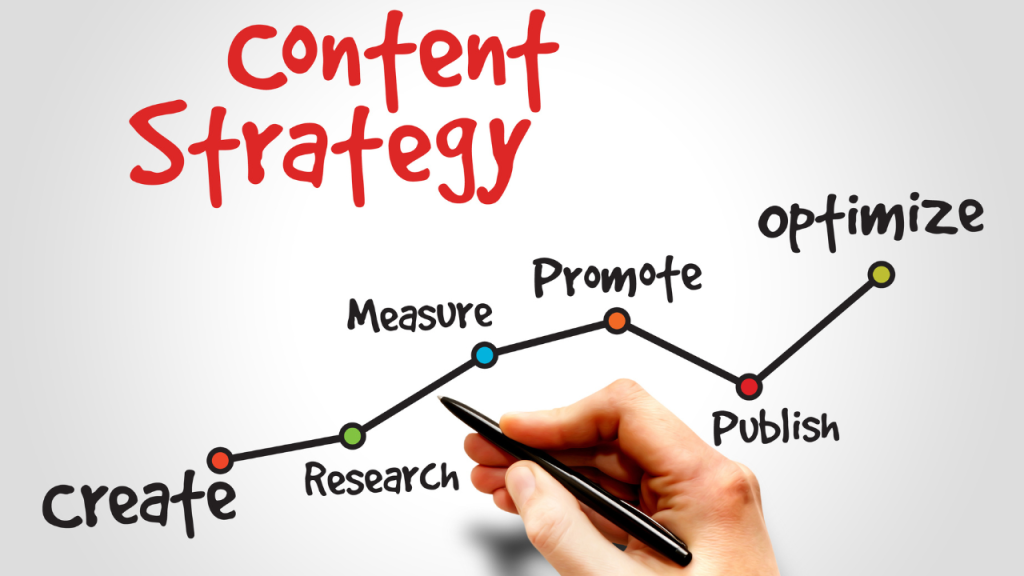
If your website answers those questions better than your competitors, guess who they’ll remember when they’re ready to visit?
What actually works:
- Blog posts targeting long-tail keywords like “how to know when parent needs assisted living” or “memory care vs nursing home differences”
- Downloadable guides (checklists for tours, questions to ask providers, cost comparison worksheets)
- Video content showing real staff interactions and daily activities—not glossy commercials
One home care agency I know increased their organic traffic by 340% in eight months just by publishing two helpful articles per week. Nothing fancy. Just answering the questions families were already asking.
2. Master Local Senior Care Marketing (Because Geography Still Matters)
Here’s what surprises people: most families search for senior care within a 10-15 mile radius of their own home. Not the senior’s home their home.
Why? Because adult children want to visit easily. They’re already juggling jobs, kids, and life. A 45-minute drive each way isn’t sustainable.
This means your local senior care marketing game needs to be sharp.
Focus on:
- Google Business Profile optimization (keep it updated, respond to every review, post weekly)
- Location-specific landing pages if you serve multiple areas
- Local partnerships with hospitals, senior centers, and physician offices
- Community outreach events that build genuine relationships
Don’t just blast your message everywhere. Get hyper-focused on the zip codes that matter most to your business.
3. Rethink Your Senior Care Social Media Marketing Approach
Let me be clear: seniors aren’t your primary audience on social media. Their adult children are.
That means your social media strategy should speak to stressed-out 45-65 year olds who are worried about their parents. They’re on Facebook, they’re in local community groups, and yes increasingly, they’re on Instagram looking at visual content.
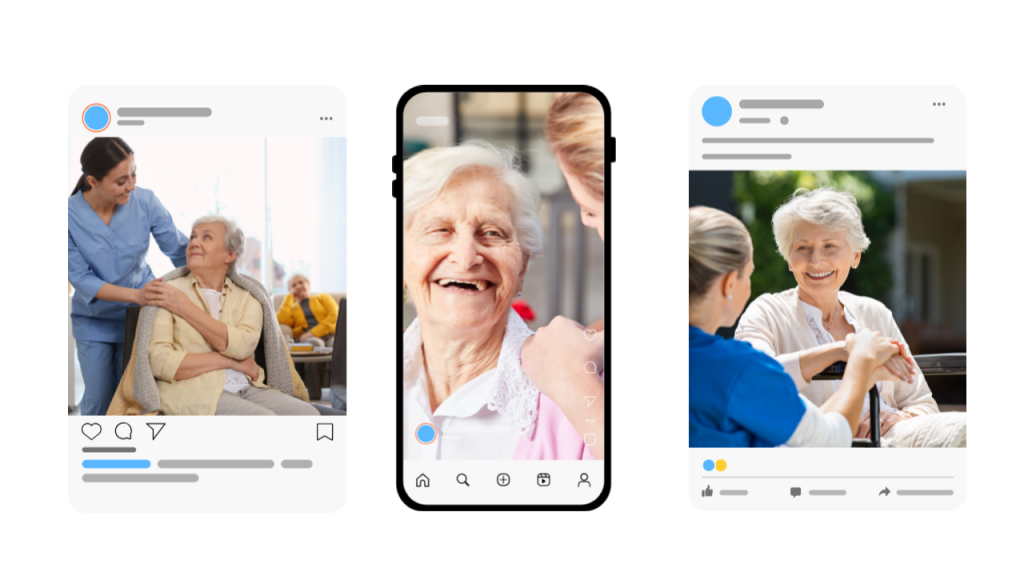
But here’s where most retirement community marketing goes wrong: they post generic “happy seniors playing cards” stock photos. Nobody cares.
What does work?
- Behind-the-scenes content showing your actual staff (families want to see who’ll care for their loved ones)
- Educational posts that position you as the expert
- Testimonials from actual families (video works even better)
- Quick tips that family caregivers can use immediately
I’ve seen facilities transform their senior care customer acquisition just by posting authentic content three times per week. Nothing elaborate just real people, real stories.
4. Nail Your Senior Care Website Optimization
Your website is probably losing you leads right now.
I don’t say that to be harsh. It’s just reality. Most senior living websites are beautiful, expensive, and completely ineffective at converting visitors.
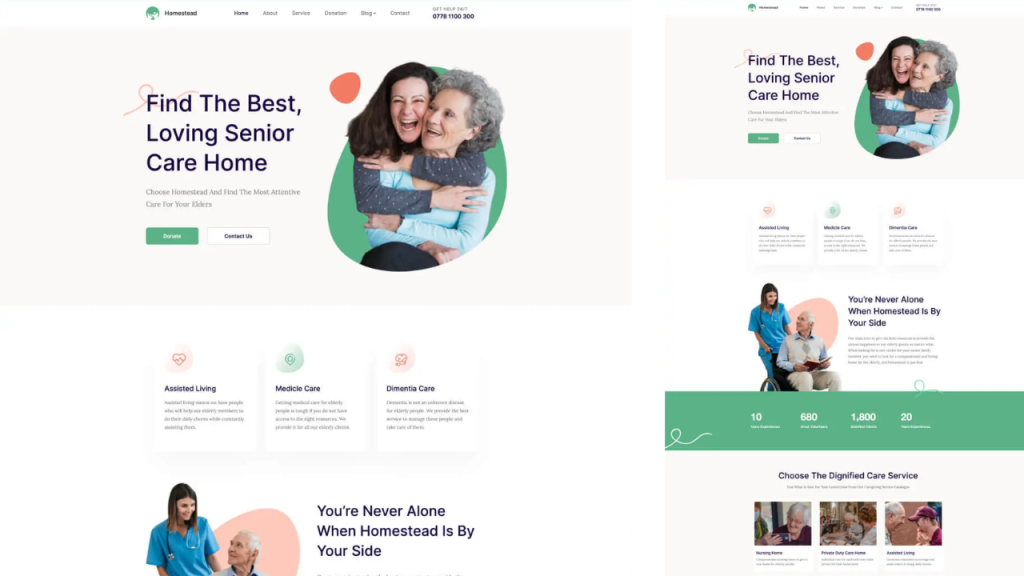
Common problems I see constantly:
- Contact forms buried three clicks deep
- No clear pricing information (even ranges would help)
- Stock photos instead of real facility images
- Mobile experience that’s frustrating to use
- Slow load times that make people bounce
The fix? Start with senior care SEO basics. Make sure your site loads in under 3 seconds. Put your phone number and contact form on every page. Use real photos. And for the love of all that’s holy, make it easy to schedule a tour.
One assisted living community increased tour bookings by 67% just by adding a prominent “Schedule a Visit” button to their homepage and simplifying their form from 12 fields to 4.
Sometimes simple wins.
5. Develop a Smart Senior Care Email Marketing Strategy
Email isn’t dead. Not even close.
But your approach needs to match the senior care buying cycle. Remember families aren’t ready to commit after one email. They need nurturing, education, and consistent touchpoints.
Build different email sequences for different stages:
- Early stage: Educational content about senior care options, how to know when it’s time, financial planning
- Mid stage: Facility differentiators, virtual tour invitations, family testimonials
- Late stage: Availability updates, limited-time incentives, follow-ups after tours
The key is timing and relevance. Don’t push for a sale in email #2. Build trust first.
I’ve seen conversion rates jump by 40% when facilities segmented their email lists and sent stage-appropriate content instead of generic newsletters.
6. Leverage Senior Care Referral Marketing (Your Secret Weapon)
You know what converts better than any ad campaign? A referral from a trusted source.
Families trust recommendations from their doctor, their friends who went through this, and even hospital discharge planners more than they trust your marketing.
So build those relationships intentionally.
Referral sources to cultivate:
- Primary care physicians and geriatric specialists
- Hospital social workers and case managers
- Elder law attorneys and financial planners
- Current resident families (incentivize referrals appropriately)
- Local senior centers and aging services organizations
Don’t just send a brochure and hope for the best. Take physicians to lunch. Sponsor community events. Provide value first.
One nursing home increased their referrals by 125% by creating a simple resource guide for discharge planners—something that made their job easier. That’s the mindset that works.
7. Invest in Senior Care Video Marketing (Because People Want to See Inside)
Let’s talk about the elephant in the room: families are scared to put their parents in “one of those places.”
They’ve heard horror stories. They feel guilty. They need reassurance that your facility is different.
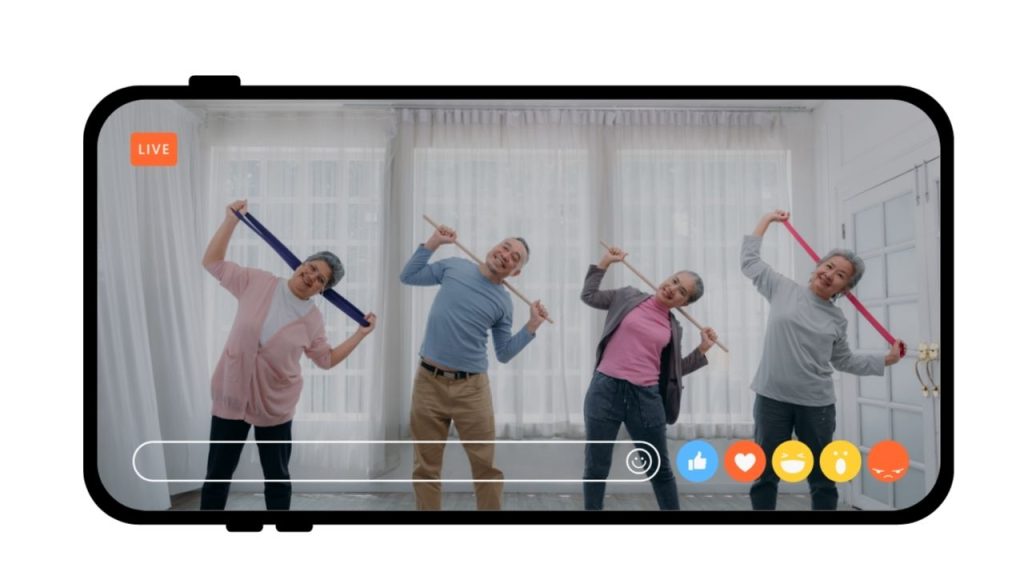
Video does this better than anything else.
Not professional, over-produced commercials. Real, authentic video that shows:
- Staff interacting naturally with residents
- Typical daily activities and meal times
- Your actual building and rooms (not just the lobby)
- Testimonials from families and residents
Shoot them on your phone if you need to. Authenticity beats production quality every single time in senior care advertising.
I watched a memory care facility go from 65% occupancy to a waiting list in 14 months, largely because they started posting weekly 60-second videos on their website and social media. People could finally see what life looked like there.
That visibility builds trust faster than any brochure ever could.
8. Optimize Your Senior Care Google Ads Strategy
Paid advertising can work in senior care, but only if you’re strategic about it.
Here’s the reality: senior care Google Ads are expensive. Keywords like “assisted living near me” can run $15-50 per click depending on your market. That adds up fast.
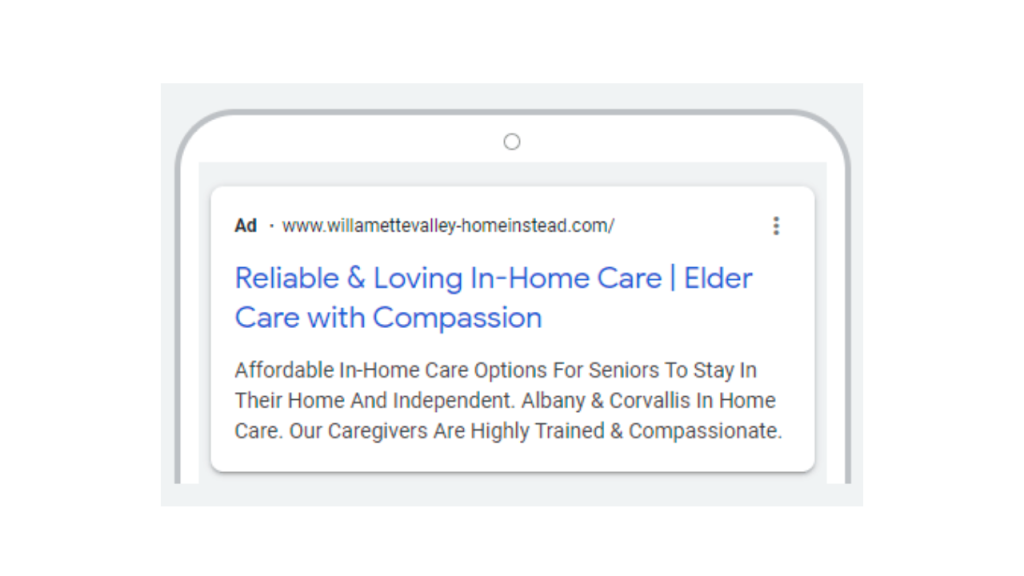
So you need to be smart:
- Target high-intent keywords (people ready to tour, not just browsing)
- Use negative keywords aggressively to avoid wasting budget
- Create location-specific ad groups
- Build landing pages that match the ad promise exactly
- Track calls and form fills religiously
And please don’t send ad traffic to your homepage. Create dedicated landing pages for each service type with clear calls-to-action.
One assisted living community cut their cost per lead by 58% just by cleaning up their negative keyword list and improving their landing page experience. Small tweaks, big impact.
9. Build Trust Through Senior Care Branding That Resonates
Your brand isn’t your logo. It’s how families feel about your facility before they ever visit.
In senior care, brand trust is everything. Families are handing over the care of their most vulnerable loved ones. They need to believe you’ll treat Mom or Dad with dignity and compassion.
Your branding should communicate:
- Safety and professionalism
- Warmth and genuine care
- Experience and expertise
- Community and connection
This plays out in everything from your website design to how your receptionist answers the phone to the language in your marketing materials.
I’ve noticed the best senior living brands avoid clinical, institutional language. They talk about “home” and “family” and “community.” They show real people, real moments. They acknowledge the emotional difficulty of this transition.
That empathy? That’s your brand.
10. Create a Senior Care Marketing Plan That Actually Gets Executed
Here’s a truth nobody talks about: most senior care marketing strategies fail because of inconsistent execution, not bad ideas.
You get excited, start a blog, post for three weeks, then get busy with operations and it dies. Or you launch a social media presence that goes dark for months at a time.
Inconsistency kills trust.
Instead, build a realistic senior care marketing plan you can actually maintain:
- Choose 3-4 channels max to focus on
- Set a sustainable content calendar (better to post once a week consistently than daily for a month then nothing)
- Assign clear ownership (who’s responsible for what?)
- Track metrics monthly and adjust
You don’t need to be everywhere. You need to be consistently good where you show up.
11. Adapt Your Aging Services Marketing for Market Changes
The senior care industry is evolving rapidly. What worked in 2020 doesn’t necessarily work today.
Some trends I’m watching:
- More families comparing options online before ever contacting you—your digital presence needs to be comprehensive
- Increased focus on specialized care (memory care, respite care, etc.) rather than general senior living
- Greater price transparency expectations—hiding your rates doesn’t work anymore
- Virtual tours becoming standard—families expect to preview online first
The winning senior care digital marketing strategies adapt to these shifts quickly.
Stay curious. Test new platforms. Survey your families about what influenced their decision. Keep evolving.
The Bottom Line on Senior Care Marketing
Senior care marketing success comes down to this: meet families where they are, answer their questions honestly, and build trust over time.
You’re not selling a product. You’re helping families navigate one of life’s most difficult transitions. Your marketing should reflect that gravity while still being practical and results-driven.
Start with one or two strategies from this list. Master them. Then expand.
You don’t need a massive budget. You need consistency, empathy, and a genuine desire to help families find the right care for their loved ones.
The facilities winning at senior care lead generation right now? They’re the ones who stopped thinking like marketers and started thinking like trusted advisors.
That’s the shift that changes everything.
FAQs About Senior Care Marketing
What is the most effective marketing strategy for senior care facilities?
There’s no single “best” strategy it depends on your market and resources. That said, most successful facilities combine strong local SEO, educational content marketing, and referral relationship building. These three create a foundation that drives consistent leads over time.
How much should I budget for senior care marketing?
Industry benchmarks suggest 3-8% of revenue for established facilities, and 10-15% for newer facilities or those trying to increase occupancy quickly. But focus on ROI, not just budget size. A smaller budget spent wisely beats throwing money at ineffective tactics.
How long does it take to see results from senior care marketing?
It varies by tactic. Paid ads can generate leads within days, but SEO and content marketing typically take 3-6 months to gain traction. Referral relationship building might take even longer but delivers higher-quality leads. Plan for at least 6 months to see meaningful results from a comprehensive strategy.
Should I target seniors or their adult children in my marketing?
Primarily target adult children (typically ages 45-65), as they’re usually the primary researchers and decision-makers. However, your messaging should also respect and address the seniors themselves—they ultimately need to feel comfortable with the choice. Balance both perspectives in your content.
How do I measure senior care marketing ROI?
Track these key metrics: website traffic and engagement, cost per lead, lead-to-tour conversion rate, tour-to-move-in conversion rate, and ultimately, marketing cost per new resident. Use call tracking, form analytics, and CRM data to connect marketing activities to actual revenue.
At Northstone Insights, we decode how marketing, technology, and patient behavior intersect to shape the future of healthcare growth. Our mission is to equip healthcare leaders with insights that drive measurable impact, smarter decisions, and sustainable success. To explore how we can support your growth strategy, reach out to our advisory team at Northstone Insights.


Leave a Comment