

Here’s the thing: your medical practice could be the best in town, but if patients can’t find you online, you might as well be invisible.
Many healthcare organizations invest heavily in stunning websites and modern facilities, yet still struggle to attract patient calls. The reason? They overlook medical SEO. In 2026, that’s the digital equivalent of opening a clinic without a signboard.
Let’s break down what medical SEO really means and why it has become essential for healthcare practices looking to thrive in today’s online-first world.
What Exactly is Medical SEO?
Medical SEO (search engine optimization for medical practices) is the process of optimizing your healthcare website and online presence to rank higher in search engine results when potential patients look for medical services.
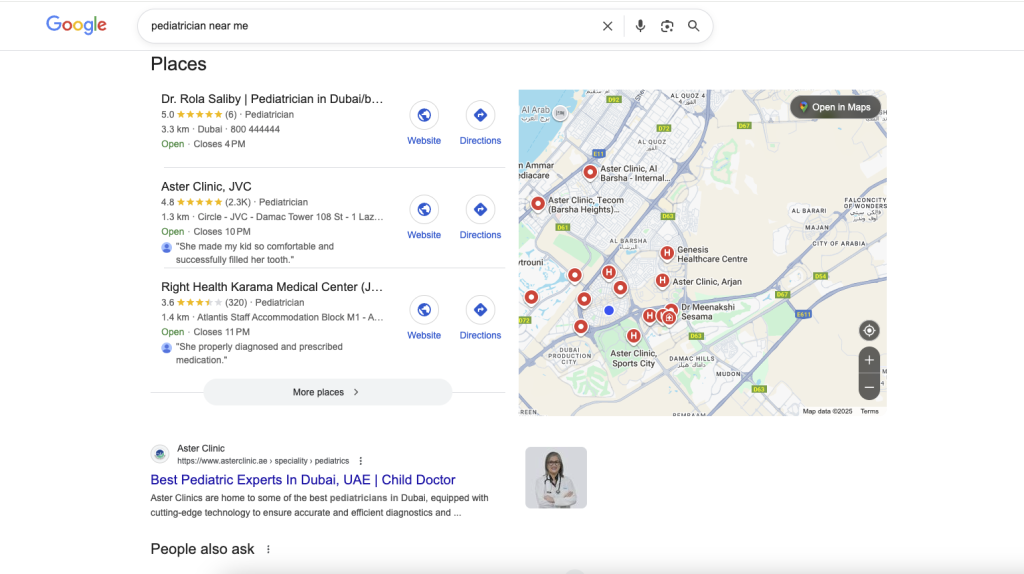
Think of it this way: when someone searches “pediatrician near me” or “best orthopedic surgeon in Dallas,” you want your practice showing up at the top. Not buried on page three where nobody ventures.
But here’s where medical SEO differs from regular SEO it comes with unique challenges. You’re dealing with HIPAA compliance, medical accuracy requirements, and a need to build trust with people making critical health decisions. You can’t just slap together some blog posts and call it a day.
Why Medical Practices Need SEO (More Than Ever)
The reality is stark. 77% of patients use search engines before booking a medical appointment. That’s not a small number it’s the overwhelming majority of your potential patient base.
Let’s be honest about what’s happening. Your competitors are investing in healthcare digital marketing. If you’re not, you’re actively choosing to lose patients to practices that show up when yours doesn’t.
This scenario plays out time and again: a dental practice invests in effective dental SEO and, within six months, sees a 40–50% increase in appointment requests. Meanwhile, an equally skilled practice down the street that overlooks SEO continues to struggle with an empty schedule.
The bottom line is this: medical practice SEO isn’t optional anymore. It’s survival.
The 7 Core Components of Medical SEO That Actually Work
1. Local SEO for Doctors: Your Most Powerful Patient Acquisition Tool
Here’s what I’ve learned after years in this space: local search drives the bulk of patient bookings for most medical practices.
When someone needs a doctor, they typically search with location-specific terms. “Dermatologist in Phoenix.” “Walk-in clinic near me.” “Family doctor Seattle.”
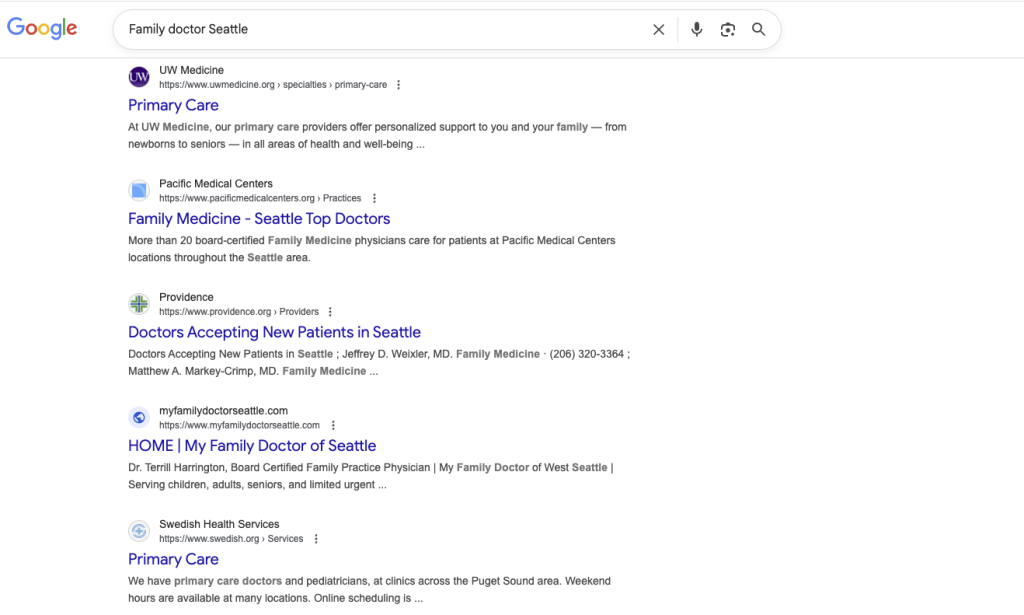
Your Google My Business profile is ground zero for local SEO for doctors. You need to:
- Claim and verify your listing (obvious, but you’d be surprised how many practices skip this)
- Keep your hours updated religiously
- Respond to every review—good and bad
- Add high-quality photos of your practice
- Post regular updates about services or health tips
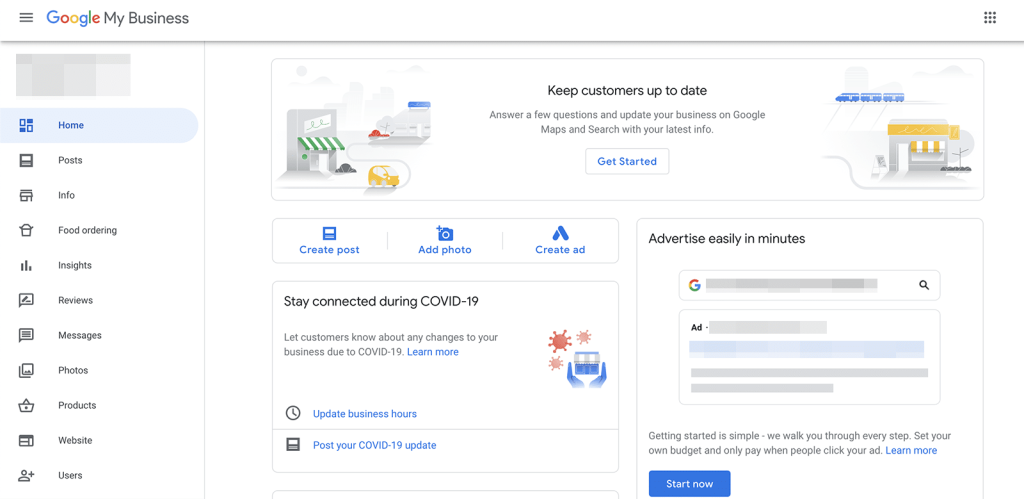
One healthcare company boosted patient inquiries by 63% simply by optimizing its Google Business Profile and managing reviews no website updates, no paid ads, just stronger local visibility.
2. Medical Website Optimization: Building Trust from the First Click
Your website needs to do two things simultaneously: satisfy search engines AND convince patients you’re legitimate.
That means fast loading speeds (under 3 seconds), mobile responsiveness (over 60% of medical searches happen on phones), and clear calls-to-action that make booking stupid-easy.

But here’s the nuanced part medical website SEO also requires demonstrating medical credentials, displaying clear privacy policies, and ensuring HIPAA compliant SEO practices throughout your site. Search engines are looking at trust signals, especially for health-related content.
3. Healthcare Content Marketing: Answer Questions, Win Patients
Content marketing for healthcare isn’t about writing fluff pieces. It’s about answering the actual questions your patients are typing into Google at 2 AM when they’re worried about symptoms.
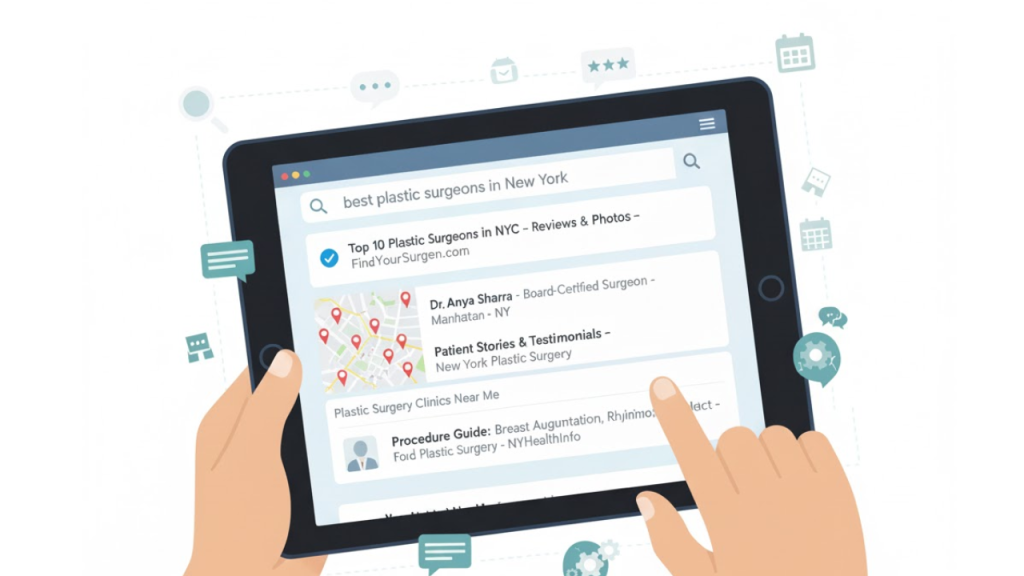
You might be wondering how this translates to bookings. Here’s how: someone searches “is this mole cancerous,” finds your detailed article about skin cancer warning signs, trusts your expertise, and books a consultation. That’s the patient journey.
The key is creating content that demonstrates expertise while remaining accessible. Explain conditions in plain language. Share treatment options. Address common fears. This is how you optimize healthcare content effectively.
4. Technical SEO: The Invisible Foundation
This is where things get technical, but stick with us.
Medical schema markup tells search engines exactly what type of healthcare provider you are, what conditions you treat, and what insurance you accept. It’s like giving Google a detailed map of your services.

Site architecture matters too. Patients should find what they need in three clicks or fewer. Your “Book Appointment” button should be visible on every page. Contact information should be consistent across your entire website.
And those SSL certificates? Non-negotiable. Patients are entering sensitive health information your site better be secure.
5. Patient Reviews Optimization: Social Proof That Converts
Let’s be brutally honest: nobody’s booking with a doctor who has three reviews and a 3.2-star rating. They’re choosing the practice with 247 reviews and 4.8 stars.
Patient reviews optimization means systematically asking satisfied patients to leave reviews (within HIPAA guidelines), responding professionally to negative feedback, and showcasing testimonials on your website.
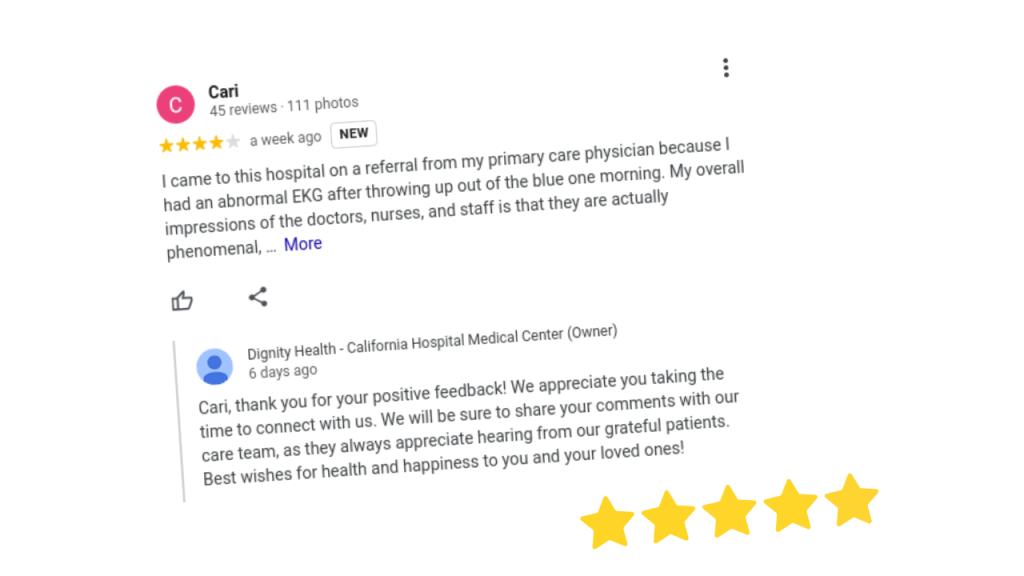
The practices winning at healthcare online reputation management have a simple system: after every successful visit, patients receive a friendly follow-up with a review request. Nothing pushy. Just a reminder.
6. SEO for Specific Medical Specialties
Different specialties need different approaches.
Dental SEO focuses heavily on cosmetic procedures, emergency services, and family dentistry. Hospital SEO often centers on specialized treatments and department-specific landing pages. Clinic SEO might emphasize convenience, extended hours, and multi-service offerings.
The strategy for a physician SEO campaign looks different from healthcare provider SEO for a large medical office. One-size-fits-all doesn’t work here.
7. Medical Practice Lead Generation: Converting Visitors to Patients
Driving traffic to your site is only half the battle. How do you increase patient bookings once they land on your page?
Clear CTAs (call-to-action buttons). Online scheduling integrated directly into your website. Click-to-call buttons that work seamlessly on mobile. Patient intake forms that aren’t twelve pages long.
Many medical practices have doubled their conversion rates simply by streamlining their appointment booking process. Often, it’s the small improvements that make the biggest impact.
Medical SEO vs Traditional SEO: What’s Different?
You’re dealing with YMYL (Your Money Your Life) content. Google scrutinizes health information more strictly than, say, a restaurant review site.
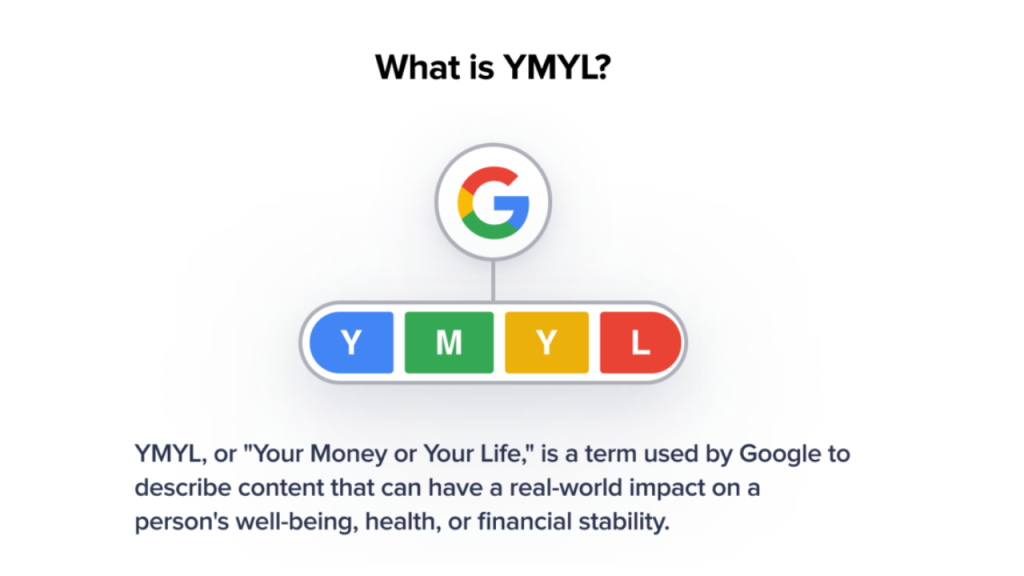
That means:
- Medical accuracy is mandatory, not optional
- Author credentials matter enormously
- Outdated medical information can actively hurt your rankings
- Privacy compliance isn’t just legal it’s an SEO factor
Healthcare SEO agency services specifically address these unique challenges because generic SEO companies often miss these nuances.
Common Mistakes Killing Your Doctor Website Ranking
To help avoid common pitfalls, here are some of the most frequent mistakes organizations make:
Ignoring mobile optimization. Over half your patients are on phones. If your site isn’t mobile-friendly, they’re bouncing to a competitor.
Forgetting about page speed. Every second of load time costs you patients. Period.
Not tracking the right metrics. Vanity metrics like total website visits don’t matter if nobody’s booking appointments. Focus on conversion rates and phone calls.
Neglecting Google My Business. Your GMB profile might be more important than your actual website for local searches.
Generic content that could apply to any practice anywhere. Patients want to know what makes YOU different.
Best SEO Practices for Medical Websites
The landscape is evolving fast. Here’s what works right now:
Voice search optimization is becoming critical. People ask their phones full questions: “What doctor near me accepts Blue Cross insurance?” Optimize for conversational queries.
Video content is exploding. Patient testimonials, procedure explanations, and virtual office tours all boost engagement and medical website traffic.
AI-powered chatbots can answer basic questions 24/7, improving user experience while you sleep.

And yes, medical PPC advertising complements your organic efforts. While you’re building long-term SEO momentum, paid ads can fill your schedule immediately.
How to Choose a Medical SEO Company
Not all healthcare SEO agencies are created equal. Some will promise overnight results (red flag). Others have zero healthcare experience (another red flag).
What you need:
- Proven experience with medical practice SEO specifically
- Understanding of HIPAA compliance
- Case studies from similar practices
- Transparent reporting on actual patient acquisition, not just rankings
- Knowledge of medical schema markup and healthcare content guidelines
Ask potential medical SEO services about their approach to patient acquisition strategies. If they can’t explain how SEO translates to booked appointments, keep looking.
Real-World Results: What Success Looks Like
A mid-sized medical practice I worked with was getting about 25 new patient inquiries monthly from their website. After six months of focused SEO work optimizing for medical practice online visibility, creating targeted content, and improving local search presence they were getting 180+ qualified inquiries per month.
Another example: a specialty clinic ranking nowhere for their key services. After implementing medical SEO strategies focused on local search and healthcare content marketing, they reached the top three results for their primary services within eight months. Their patient bookings tripled.
These aren’t unicorn stories. This is what proper healthcare search engine optimization delivers when done consistently.
Getting Started with Medical SEO: Your Action Plan
You don’t need to do everything at once. Start here:
Week 1: Claim and optimize your Google My Business listing. Update all information, add photos, and start monitoring reviews.
Week 2: Run a technical audit of your website. Fix any glaring speed or mobile issues.
Week 3: Create a content calendar addressing common patient questions in your specialty.
Week 4: Implement a review generation system. Start asking happy patients for feedback.
From there, you’re building momentum. SEO isn’t a sprint it’s about consistent improvement over time.
The Bottom Line
Medical SEO is how modern healthcare practices attract patients. It’s not magic, and it’s not optional.
The practices thriving right now are the ones treating online visibility as seriously as they treat patient care. They understand that being the best-kept secret in town means being broke.
Start small if you need to. But start. Because every day you delay is another day your competitors are capturing patients who should have been yours.
FAQ: Medical SEO Questions Answered
How long does medical SEO take to show results?
Typically 3-6 months for noticeable improvements in rankings and traffic. Local SEO can show faster results (6-12 weeks), while competitive specialty keywords take longer. The reality is that SEO is a marathon, not a sprint.
How much should a medical practice spend on SEO?
Most practices invest $2,000-$10,000 monthly depending on competition and goals. Consider that acquiring one new patient typically pays for months of SEO services. It’s an investment, not an expense.
Is medical SEO different from regular SEO?
Yes. Medical SEO requires HIPAA compliance, stricter content accuracy standards, and navigating Google’s YMYL (Your Money Your Life) criteria. Healthcare content faces more scrutiny than most industries.
Can I do medical SEO myself?
You can handle basics like Google My Business and content creation. But technical optimization, link building, and staying current with healthcare-specific algorithm changes usually require professional medical SEO services.
What’s more important: website SEO or Google My Business?
For most local medical practices, Google My Business drives more immediate patient bookings. But you need both—GMB gets them to notice you, your website convinces them to book.
How do I measure medical SEO success?
Track new patient appointments from organic search, phone calls from your website, form submissions, and online booking conversions. Rankings and traffic are vanity metrics if they don’t increase patients.
At Northstone Insights, we decode how marketing, technology, and patient behavior intersect to shape the future of healthcare growth. Our mission is to equip healthcare leaders with insights that drive measurable impact, smarter decisions, and sustainable success. To explore how we can support your growth strategy, reach out to our advisory team at Northstone Insights.


Leave a Comment