

You’ve launched your fashion store. The products look amazing. Your site’s live.
Now what?
Here’s the reality: beautiful clothing doesn’t sell itself online. We’ve worked with dozens of fashion brands that had stunning collections but couldn’t crack the marketing code. They’d watch traffic trickle in while their inventory gathered dust in warehouses.
Fashion ecommerce marketing isn’t just about posting pretty pictures on Instagram (though that helps). It’s about understanding your target audience, optimizing every touchpoint in the customer journey, and building a brand that people actually want to engage with.
The good news? You don’t need a massive budget to compete. You need the right strategies.
This guide covers seven approaches that actually work for fashion retail marketing tactics we’ve seen transform struggling stores into profitable businesses. These aren’t theoretical concepts. They’re battle-tested methods that beginners can implement starting today.
1. Build Your Brand Identity Before You Scale
Let’s be honest: the fashion industry is crowded. Another basic tee brand won’t cut it.
Your brand awareness strategy starts with answering one question: Why should anyone care about your store specifically? Not fashion in general. Not trendy clothes. Your specific brand.
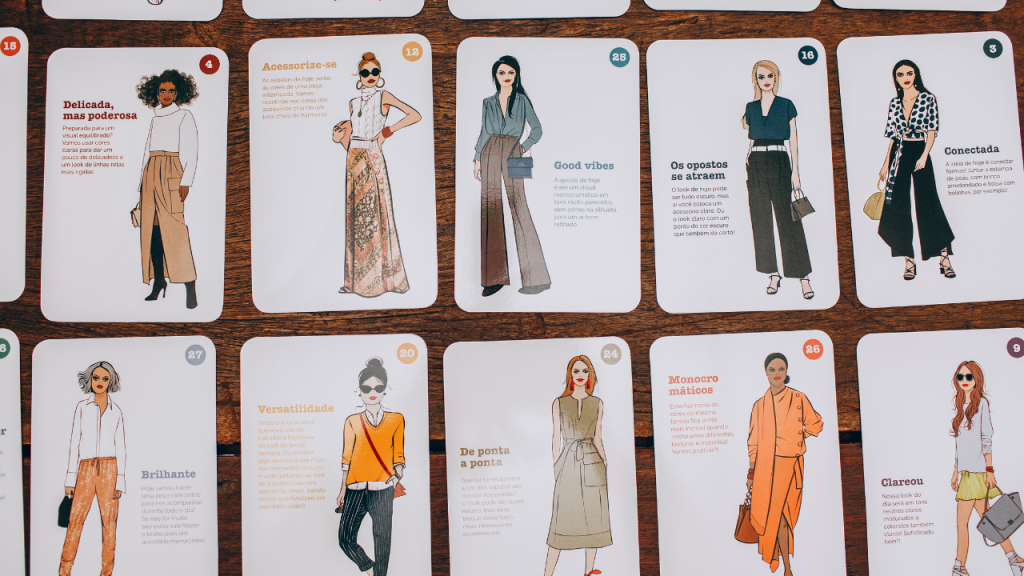
We’ve seen too many online fashion store marketing efforts fail because they skipped this foundation. They jumped straight into paid advertising without knowing what made them different. The result? Generic ads that blend into the feed and burn through budgets.
Here’s what works:
Define your brand voice and aesthetic consistently across every channel. If you’re sustainable fashion, that message should hit visitors within 3 seconds of landing on your site. If you’re affordable basics, own that positioning proudly.
Your product photography needs to reflect this identity. (And yes, invest in decent product photography iPhone photos won’t compete with established brands.) Show your clothes on real people who represent your target audience. Include lifestyle shots that communicate the feeling customers get from wearing your pieces.
Think about it this way: Everlane built an empire on transparency. Fashion Nova dominated with rapid trend cycles and influencer partnerships. Reformation carved out premium sustainable fashion. Each knew exactly who they were.
You need that same clarity.
💡 Pro Tip: Create a simple brand guidelines document covering your color palette, tone of voice, and core messaging. Share it with anyone creating content for your store. Consistency builds recognition faster than you’d think.
2. Master Content Marketing That Actually Converts
Content marketing for fashion isn’t about churning out blog posts nobody reads. It’s about creating valuable content that guides potential customers from “just browsing” to “take my money.”
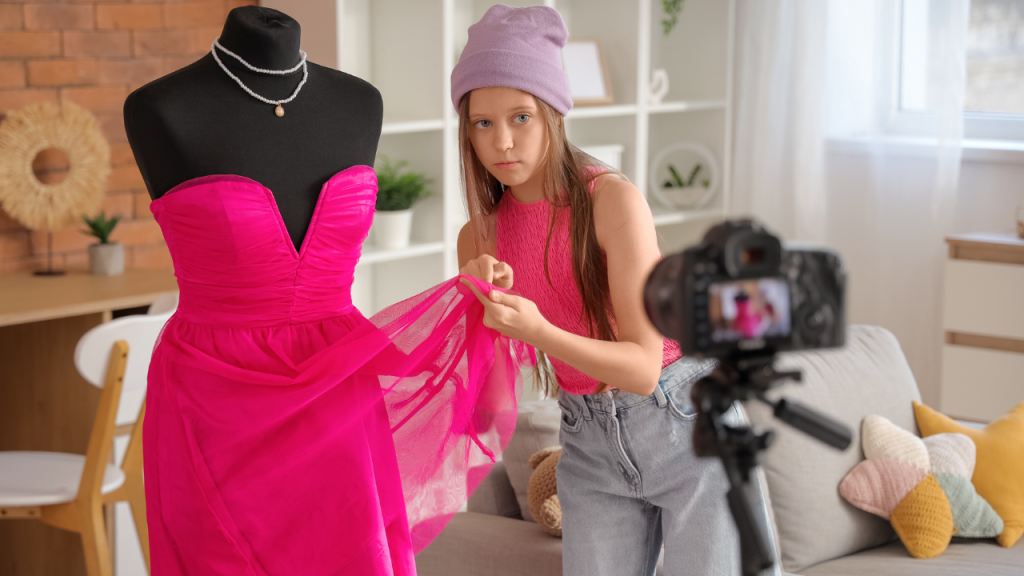
The fashion brands winning at this understand one thing: people don’t just buy clothes. They buy solutions to problems, confidence, status, self-expression. Your content should tap into those deeper motivations.
Content that drives results:
Start a style guide section on your blog. Show how to wear your pieces in multiple ways. “5 Ways to Style Our Black Blazer” performs better than “Why Our Blazer Is Amazing.” One helps customers. The other just pitches.
User-generated content is gold for fashion ecommerce. Encourage customers to share photos wearing your items. Feature these on product pages and social media. Why? Because seeing real people (not just models) wearing clothes dramatically improves conversion rates. One DTC brand we consulted saw their conversion rate jump from 1.8% to 2.7% after adding customer photos to key product pages.
Create seasonal lookbooks that showcase complete outfits. Link every item to its product page. This increases average order value (AOV) because customers buy the whole look instead of single items.
Video content crushes it in fashion. Behind-the-scenes footage, styling tips, fabric deep-dives, try-on hauls, these build connection and trust. And you don’t need a film crew. Authentic iPhone videos often outperform polished content because they feel real.
But here’s what most beginners miss: SEO for fashion needs to target the right keywords. Don’t chase “women’s dresses” (impossible to rank). Target “cottagecore summer dresses under $100” or “sustainable work blazers for petites.” Specific, long-tail searches from people ready to buy.
3. Turn Instagram Shopping Into a Revenue Channel
Instagram isn’t just for brand awareness anymore. It’s a legitimate sales channel for fashion retail marketing.
If you’re not using Instagram Shopping, you’re leaving money on the table. Period.
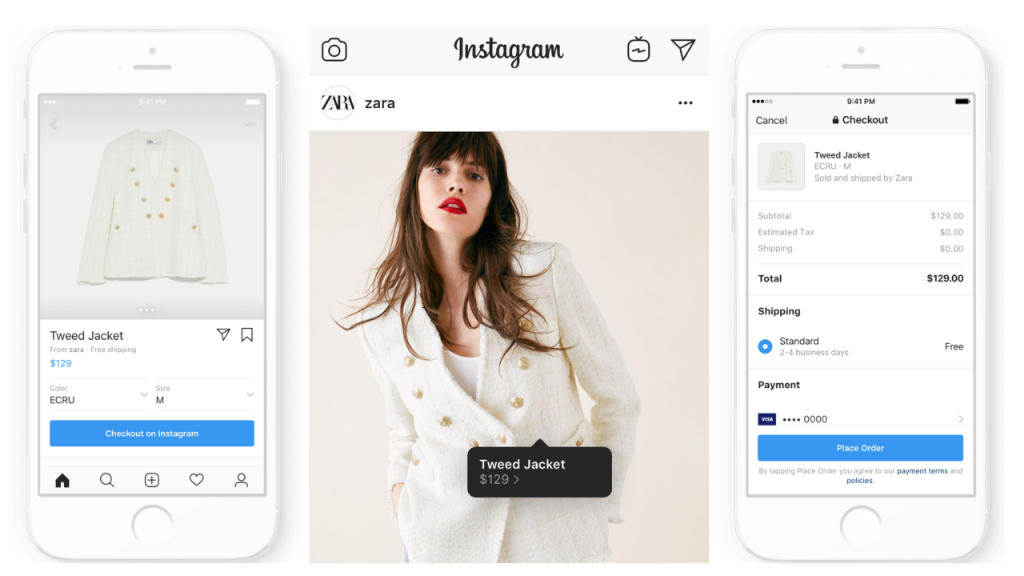
Set it up through Facebook Commerce Manager, tag products in posts and stories, and make your entire feed shoppable. Customers can browse, tap, and buy without leaving the app. Reduced friction = higher conversions.
Instagram strategies that move product:
Post consistently (5-7 times per week minimum), but quality beats quantity. One well-styled product shot with thoughtful copy outperforms five rushed posts.
Stories are your secret weapon. They feel casual and authentic. Use them for:
- Behind-the-scenes content
- Customer testimonials (screenshot and share positive DMs)
- Quick styling tips
- Flash sales and limited-time offers
- Polls to engage your target audience
Reels reach people who don’t follow you yet. Create trend-focused content that showcases your products. “Get ready with me” videos, transition clips showing outfit changes, styling challenges these formats work because they’re entertaining first, promotional second.
The algorithm rewards engagement, so actually talk to your followers. Respond to comments. Answer DMs. Ask questions in captions. The more your audience interacts, the more Instagram shows your content.
And here’s something that still surprises people: carousel posts (multiple images in one post) typically get more engagement than single images. Use them to show different angles, styling options, or color variations of products.
4. Launch Targeted Paid Advertising Campaigns
Organic reach is great. But if you want to scale your online fashion store marketing, you need paid advertising.
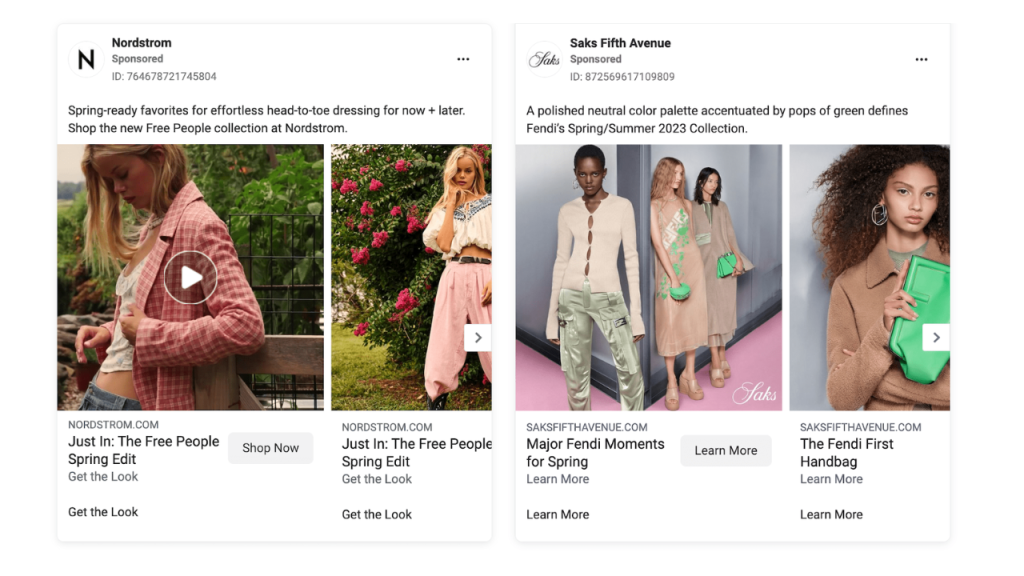
Facebook and Instagram ads (Meta Ads) are still the primary channels for fashion brands. Rising costs since iOS 14.5 made things trickier, but they’re still profitable when done correctly.
Start with conversion-focused campaigns once you have your pixel installed and have tracked at least 50 purchases. Before that, run traffic or engagement campaigns to build data.
Ad creative that converts in fashion:
Show the product being worn, not flat lays (most of the time). People need to visualize themselves in your clothes.
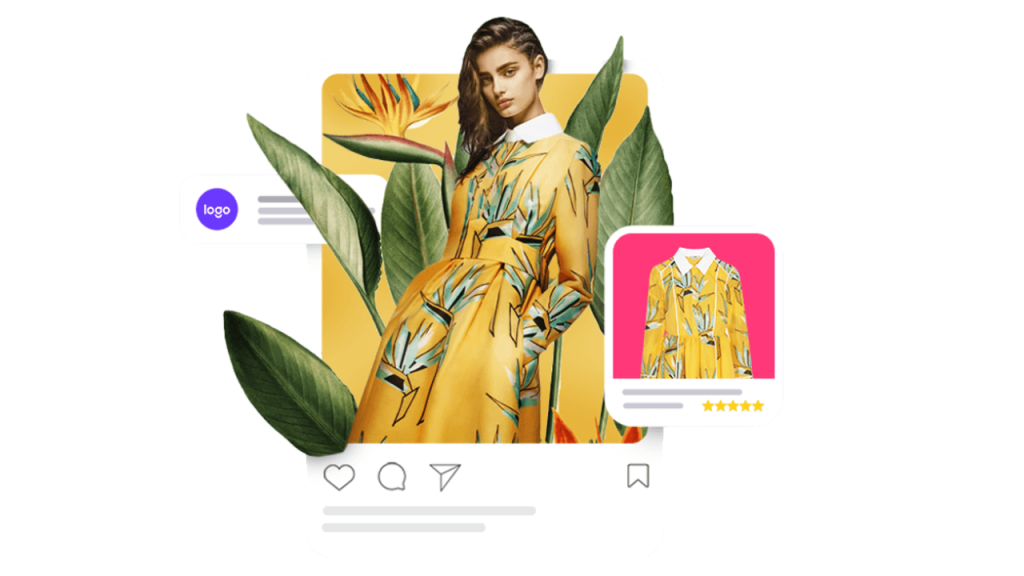
Test different angles:
- Lifestyle shots showing the product in real situations
- Close-ups highlighting quality and details
- Before/after or transformation content
- User-generated content (with permission)
Your ad copy should speak directly to pain points or desires. “Finally, jeans that actually fit curvy women” works better than “Shop our new denim collection.” One addresses a problem. The other is just noise.
For customer acquisition, target lookalike audiences based on your purchasers. Start with 1% lookalikes, they’re most similar to your existing customers. As you scale, test broader audiences.
Retargeting is crucial in fashion because people rarely buy on first visit. Create campaigns targeting:
- Website visitors from the last 30 days
- People who viewed products but didn’t add to cart
- Cart abandoners (this audience converts at 3-4x higher rates)
- Past purchasers (for cross-sells and new collections)
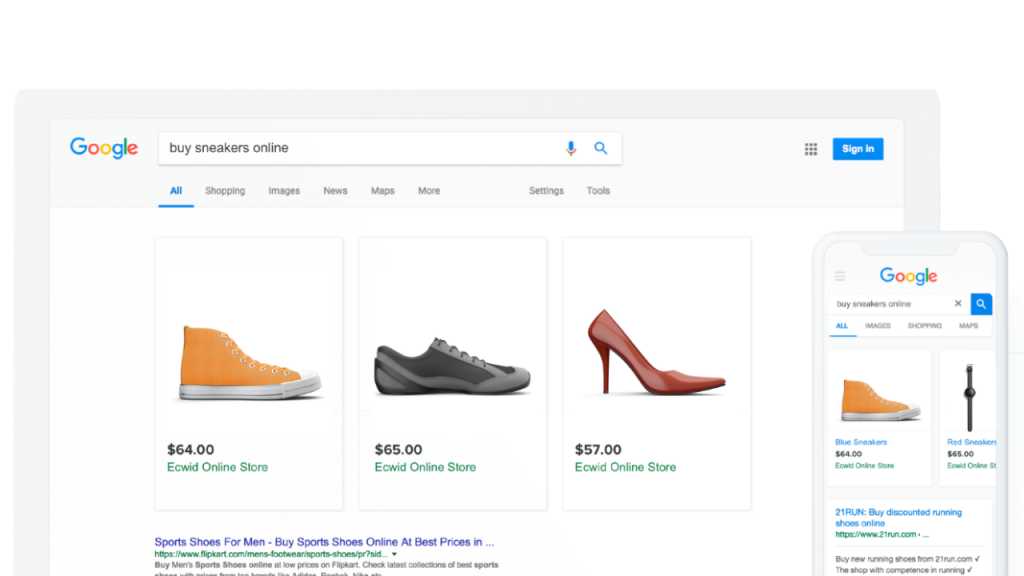
Google Shopping ads work brilliantly for fashion if you have decent product photography and competitive pricing. People searching “black midi skirt” or “men’s winter coat” have high purchase intent.
Budget considerations: Start with $20-30/day per platform while testing. Once you find winning combinations, scale gradually (increase budgets by 20% every 3-4 days to maintain stability).
5. Optimize Your Store for Conversion Rate Success
Getting traffic is one thing. Converting it is another entirely.
We’ve audited hundreds of fashion ecommerce sites, and the conversion rate killers are usually the same:
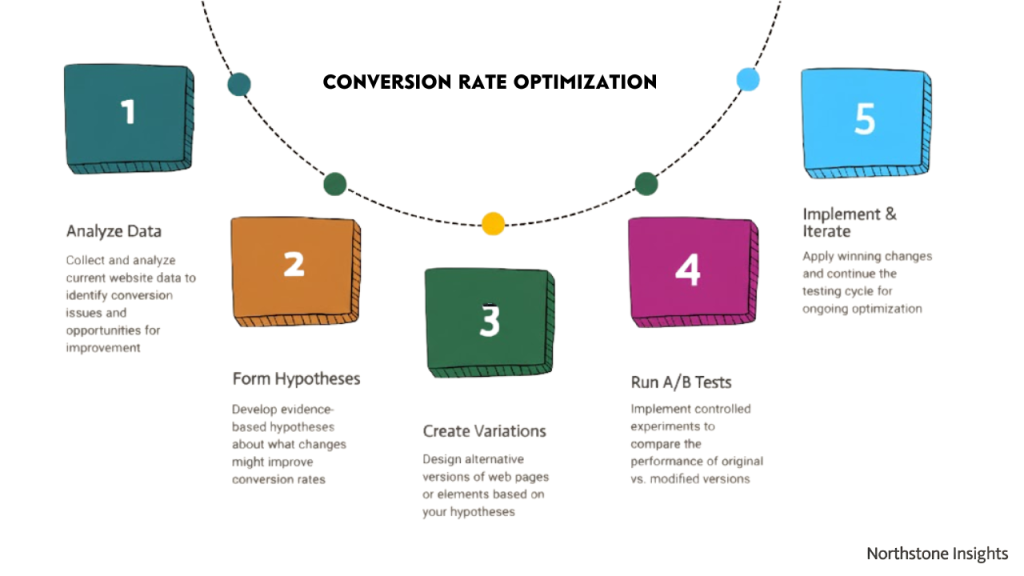
Poor mobile optimization. Over 70% of fashion ecommerce traffic comes from mobile devices. If your site loads slowly or looks broken on phones, you’re hemorrhaging sales. Test your store on multiple devices. Every. Single. Page.
Confusing navigation. Customers should find what they want in 2-3 clicks maximum. Use clear categories (New Arrivals, Tops, Bottoms, Dresses, Sale). Add filters for size, color, price, and style.
Weak product pages. This is where the sale happens (or doesn’t). You need:
- Multiple high-quality images (minimum 5-7)
- Detailed descriptions covering fit, fabric, care instructions
- Size charts that actually help (include model measurements)
- Customer reviews and photos
- Clear shipping and return information
- Related product recommendations
Shopping cart abandonment averages 70% in fashion. Reduce it by:
- Showing estimated delivery dates
- Offering multiple payment options (credit cards, PayPal, Apple Pay, afterpay services)
- Displaying security badges
- Adding exit-intent popups with discount codes
- Keeping forms short and simple
Trust signals matter. New visitors need reasons to trust your fashion brand. Include:
- Customer testimonials prominently
- Press mentions or features
- Money-back guarantees
- Real customer service contact information
- Professional site design (broken images or amateur design screams “risky”)
One brand we worked with reduced their cart abandonment rate from 76% to 61% simply by adding customer photos to product pages and improving their size guide. That’s a lot of recovered revenue from one afternoon of updates.
6. Build an Email List and Actually Use It
Email marketing is the highest ROI channel for fashion retail marketing. Not social media. Not paid ads. Email.
Why? You own your list. Algorithm changes can’t touch it. And fashion customers want to hear from brands they like about new styles and sales.
Customer acquisition through email starts at browse:
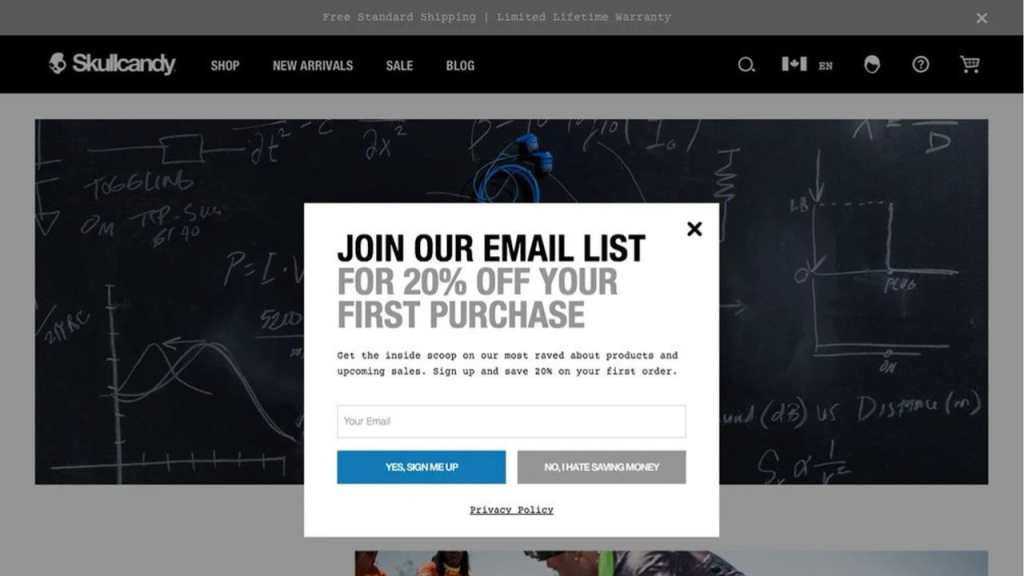
Add a popup offering 10-15% off first orders in exchange for emails. Yes, it “costs” margin on those sales. But you’re buying a customer relationship, not just a transaction. The lifetime value (LTV) more than makes up for the discount.
Make your signup compelling. “Join our newsletter” is boring. “Get style tips + early access to new drops” gives people a reason to care.
Retention through strategic campaigns:
Welcome series (3-4 emails): Introduce your brand story, showcase bestsellers, explain your return policy, offer that first-order discount code. This sequence should convert at 5-10%.
Abandoned cart emails: Send 3 emails at 1 hour, 24 hours, and 72 hours after abandonment. Include product images, address common objections, and consider offering a small discount (10%) in the final email. These typically recover 5-15% of abandoned carts.
Post-purchase sequences: Thank customers, request reviews, suggest complementary products, announce new arrivals they might like. This is how you build customer retention and increase repeat purchase rates.
Regular campaigns: Weekly or bi-weekly emails featuring new products, styling ideas, or promotions. Don’t just blast “SALE SALE SALE” constantly. Mix in valuable content—styling tips, trend reports, behind-the-scenes stories.
Segmentation makes everything perform better. Send different emails to:
- First-time buyers vs. repeat customers
- High spenders vs. discount shoppers
- Different style preferences (casual, formal, trendy)
Klaviyo is the gold standard for fashion ecommerce email marketing. It integrates seamlessly with Shopify and other platforms, offers powerful segmentation, and provides solid analytics.
The bottom line: if you’re not collecting emails from day one, you’re building on borrowed land. Social platforms and ad channels come and go. Your email list is yours forever.
7. Partner With Influencers Strategically
Influencer marketing can explode your fashion brand awareness. Or drain your budget with zero returns. The difference is strategy.
Forget celebrity influencers with millions of followers (unless you have a million-dollar budget). Micro-influencers (10K-100K followers) and nano-influencers (1K-10K) deliver better ROI for fashion startups.
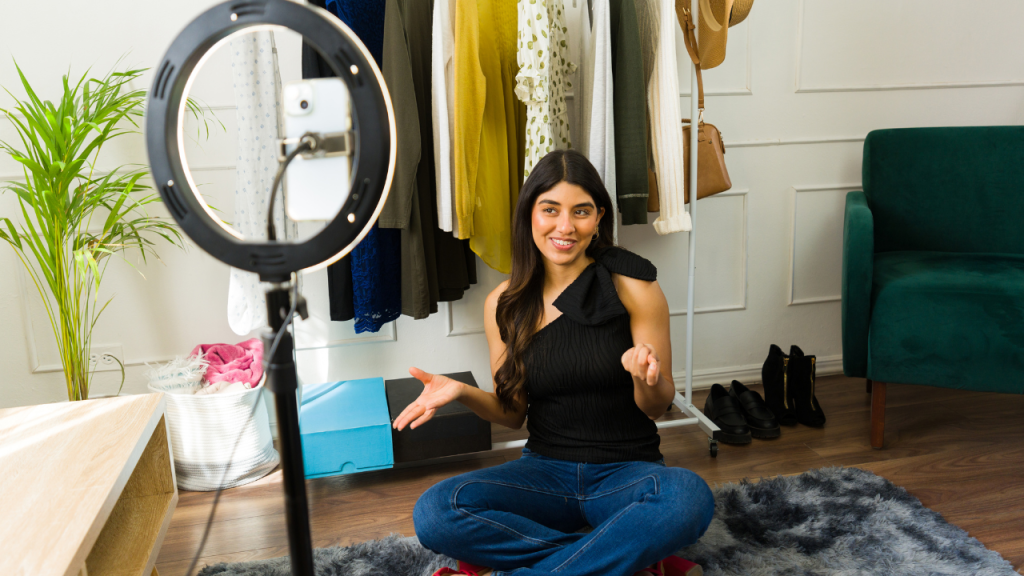
Finding the right influencers:
Look for alignment, not just follower counts. An influencer’s audience should match your target audience perfectly. If you sell sustainable workwear for professional women, partner with influencers in that exact niche—not general fashion influencers.
Check engagement rates, not just followers. Calculate: (likes + comments) / followers × 100. Anything above 3% is decent. Above 5% is excellent. An influencer with 15K engaged followers beats one with 150K uninterested followers every time.
Review their previous brand partnerships. Do they promote 10 brands per day? Skip them. You want influencers who are selective and authentic.
Partnership structures that work:
Gifting products: Start here with smaller influencers. Send free items and ask them to post if they genuinely love the products. No guarantees, but it’s low-risk.
Paid posts: Negotiate flat fees or commission structures. For micro-influencers, expect $100-500 per post depending on their following and engagement. Always provide an affiliate code so you can track actual sales generated.
Affiliate partnerships: Give influencers unique discount codes (their name or handle) for their followers. They earn 10-20% commission on sales. This aligns incentives—they make money when you make money.
Long-term ambassadors: Instead of one-off posts, partner with influencers for 3-6 months. Regular features feel more authentic and build stronger association between the influencer and your fashion brand.
Making campaigns perform:
Give creative freedom. Influencers know their audience better than you do. Provide guidelines (show the product clearly, mention key features) but let them create authentic content in their style.
Repurpose influencer content. With permission, use their photos and videos on your product pages, social media, and paid ads. User-generated content from trusted voices converts better than branded content.
Track everything. Use UTM parameters and unique codes. Know exactly which partnerships drive revenue, not just engagement.
One fashion startup we advised spent $2,500 on micro-influencer partnerships over two months. They generated 247 sales worth $31,000. That’s a 12x return. But they tested 12 influencers to find the 3 who really performed. Not every partnership works—that’s why tracking matters.
Quick Wins You Can Implement This Week
Don’t feel overwhelmed by everything above. Start small.
This week, focus on these three high-impact actions:
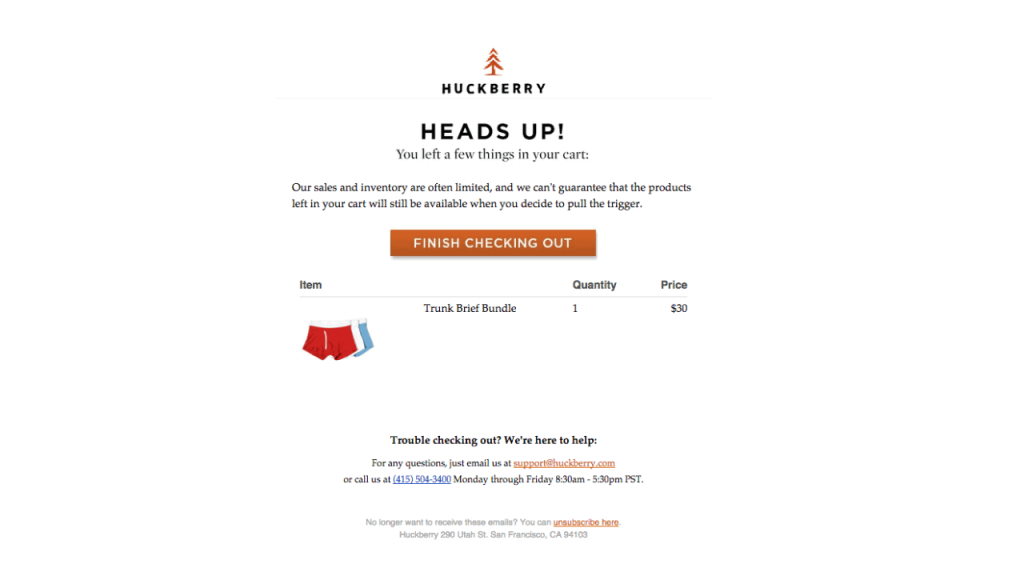
Set up abandoned cart emails (if you haven’t already). Most email platforms make this dead simple. This alone could recover 5-10% of your abandoned revenue—essentially free money.
Audit your mobile experience. Pull up your store on your phone. Click through the entire purchase flow. Anything annoying, confusing, or broken? Fix it. Most fashion ecommerce happens on mobile, so this directly impacts your bottom line.
Add customer photos to your top-selling products. Email 20 recent customers, offer them a $10 store credit for sharing photos wearing their purchase. Feature the best ones on product pages. This builds trust and increases conversions immediately.
These aren’t glamorous. They won’t transform your business overnight. But they’re the foundation of effective digital marketing for fashion business.
Summary: Your Fashion E-commerce Marketing Roadmap
Fashion ecommerce marketing isn’t a mystery. It’s a system.
Start with clear brand positioning so you stand out. Create content that helps customers style and understand your products. Make Instagram shoppable. Run targeted paid advertising once you have data. Optimize your store for mobile-first conversion. Build and engage your email list religiously. Partner with the right micro-influencers for authentic reach.
You don’t need to master all seven strategies simultaneously. Pick one, implement it properly, measure results, then move to the next.
The fashion brands that win aren’t necessarily the ones with the biggest budgets. They’re the ones who understand their target audience deeply, communicate value clearly, and optimize relentlessly based on data.
Your products are ready. Your store is live. Now it’s about getting the right people to see your collection, trust your brand, and hit that checkout button.
Start with one strategy today. Track what works. Scale what’s profitable. Cut what isn’t.
That’s how you build a sustainable online fashion store marketing system that grows month after month.
FAQ: Fashion Ecommerce Marketing
What’s the average conversion rate for fashion ecommerce stores?
Fashion ecommerce conversion rates typically range from 1% to 3%. If you’re hitting 2-2.5%, you’re performing well. Under 1% indicates serious issues with your store experience, targeting, or pricing. Focus on mobile optimization, better product photography, and clearer value propositions to improve this metric. Remember that conversion rates vary significantly by traffic source—email subscribers convert at 3-5x higher rates than cold social traffic.
How much should I budget for fashion ecommerce marketing as a beginner?
Start with at least $500-1,000 monthly for paid advertising, plus budget for tools (email marketing platform, analytics). Allocate roughly 40% to Meta ads, 30% to Google Shopping, 20% to influencer partnerships, and 10% to tools and software. As you identify what’s working, shift budget toward your highest-performing channels. Many successful fashion stores spend 15-25% of revenue on marketing once they’re established.
Which social media platform works best for fashion retail marketing?
Instagram remains the dominant platform for fashion ecommerce, especially for brands targeting millennials and Gen Z. Pinterest works exceptionally well for discovery-phase customers and drives high-intent traffic. TikTok is growing rapidly for fashion brands willing to create authentic, trend-focused content. Facebook still converts well for retargeting and older demographics. Start with Instagram and expand based on where your specific target audience spends time.
How do I reduce shopping cart abandonment in my fashion store?
The most effective tactics include: sending automated cart abandonment emails (3-email sequence), displaying clear shipping costs early, offering multiple payment options including buy-now-pay-later services, adding trust badges and security seals, showing realistic delivery estimates, simplifying your checkout to 2-3 steps maximum, and providing guest checkout options. Also, ensure your mobile checkout experience is flawless—test it yourself monthly.
What’s the best way to measure fashion ecommerce marketing success?
Track these key metrics: conversion rate (sales/visitors), average order value (AOV), customer acquisition cost (CAC), customer lifetime value (LTV), email list growth rate, cart abandonment rate, and return on ad spend (ROAS). For beginners, focus heavily on conversion rate and CAC—if you’re acquiring customers profitably and converting traffic efficiently, you’re on the right track. Use Google Analytics and your ecommerce platform’s built-in analytics to monitor these numbers weekly.
This analysis is part of Northstone Insights‘ ongoing research into the evolving landscape of retail and e-commerce marketing. Our reports integrate sales data, consumer behavior analysis, and channel optimization strategies to help organizations achieve stronger ROI, increased customer lifetime value, and competitive differentiation. For specialized research, industry benchmarking, or strategic consulting services, contact the Northstone Insights team.


Leave a Comment