
Let’s cut through the noise: if you’re running an online store and not treating email marketing like the revenue powerhouse it is, you’re leaving serious money on the table. We’re talking 30-40X ROI money. The kind of returns that make paid ads look expensive.
Here’s what catches most store owners off guard email isn’t just another marketing channel. It’s your owned audience, your direct line to customers who’ve already shown interest in your products, and (when done right) your most profitable sales driver. No algorithm changes. No rising CPMs. Just you, your subscribers, and a proven way to turn browsers into buyers.
The reality is, successful ecommerce email campaigns aren’t about blasting promotions to everyone on your mailing list. They’re about sending the right message to the right person at exactly the right moment in their customer journey. And that’s precisely what we’re diving into.
Why Email Marketing for Ecommerce Still Dominates in 2026
You might be wondering if email is still relevant when everyone’s chasing the latest social platform or AI chatbot. Short answer? Absolutely.
Email marketing for online stores continues to outperform virtually every other channel for one simple reason: permission. These people invited you into their inbox. They want to hear from you. Compare that to fighting for attention on social media or hoping your SEO strategy lands you on page one.
Our clients consistently see email driving 25-35% of their total revenue. One fashion ecommerce brand we worked with was generating just 12% of sales from email when they came to us. After implementing proper email segmentation and automation workflows, that number jumped to 41% within six months. Same traffic. Same products. Better email strategy.
The bottom line is this: while customer acquisition costs keep climbing across Meta Ads and Google, email remains remarkably cost-effective. Once someone’s on your email subscribers list, nurturing them costs pennies compared to the dollars you spent acquiring them.
Building Your Ecommerce Email Marketing Foundation
Before you launch into fancy email automation workflows and dynamic product recommendations, you need the basics locked down. Think of this as setting up your store’s foundation skip these steps, and everything else gets wobbly.
Choosing the Best Email Marketing Platform for Ecommerce
Not all email marketing tools are created equal, especially when you’re dealing with product catalogs, purchase history, and checkout process integrations.
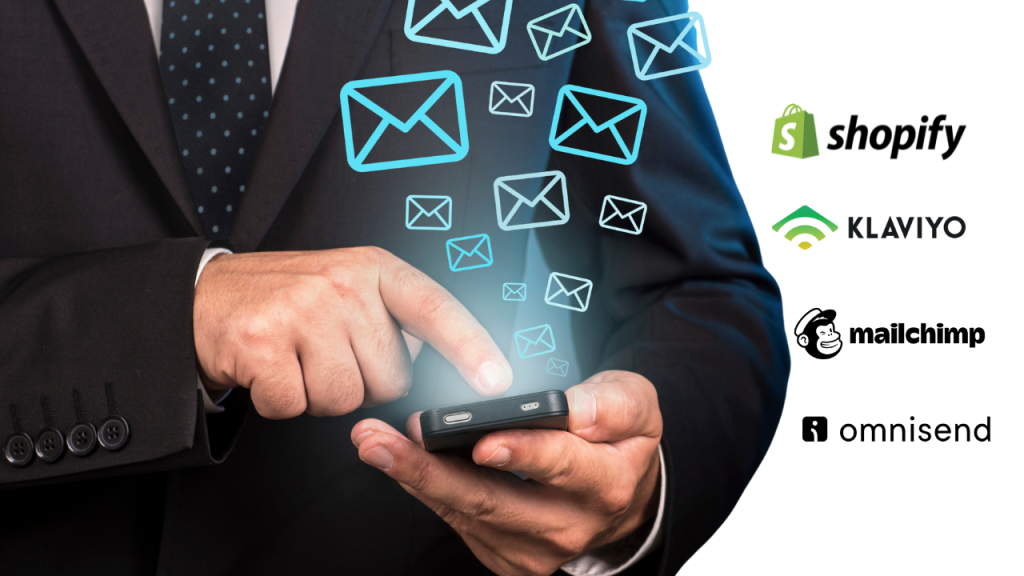
For most online stores, you want an ecommerce email service provider that connects directly to your store platform. If you’re on Shopify, Klaviyo dominates for good reason, it syncs your customer database automatically, tracks email revenue attribution down to the penny, and handles complex behavioral email triggers without breaking a sweat. For WooCommerce email marketing, options like Mailchimp or Omnisend work well, though we’ve seen better results with platforms built specifically for ecommerce.
The key features your email marketing platform needs:
- Deep integration with your ecommerce platform (Shopify, WooCommerce, BigCommerce, Magento)
- Robust segmentation based on purchase history and browsing behavior
- Visual automation builders (because you’re running a business, not writing code)
- Real revenue tracking, not just open rates and click-through rates
- Mobile-optimized email templates that actually look good on phones
Here’s something most agencies won’t tell you: the “best” platform is the one you’ll actually use. A powerful tool you don’t understand is worse than a simpler one you’ve mastered. Start with what matches your technical comfort level and scale from there.
Email List Building for Ecommerce That Actually Works
Your mailing list is arguably your most valuable business asset. It’s owned media you control completely.
Growing your email subscribers needs to be intentional, not accidental. That sad little “Sign up for our newsletter” footer? It’s not cutting it. You need multiple capture points with actual incentives:
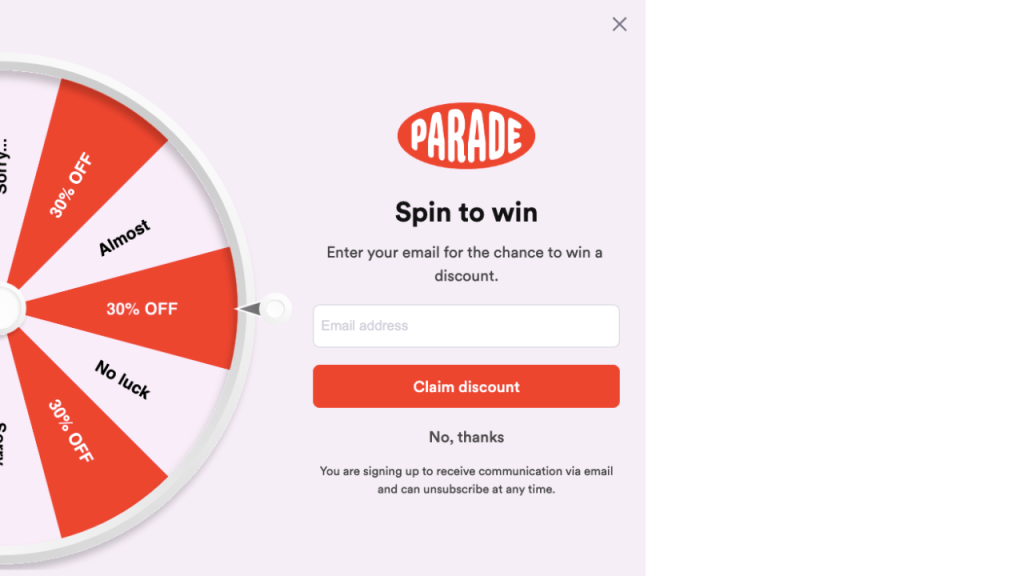
On-site popup campaigns (yes, they still work when done right): Offer 10-15% off first orders. Time the popup to appear after 30-60 seconds of browsing or on exit intent. One DTC brand we partnered with increased list growth by 340% just by testing different discount amounts and popup timing.
Gamified opt-ins: Spin-to-win wheels and scratch-off discounts create engagement while building your list. Conversion rates run 5-8% higher than static popups.
Post-purchase enrollment: You’ve already got their email from checkout, but explicitly enrolling them in your marketing list (with clear value proposition) keeps you compliant and engaged.
Lead magnets beyond discounts: Style guides, product care tips, exclusive early access—these work particularly well for fashion ecommerce email marketing and higher-ticket items where customers want education alongside deals.
The reality is you’ll need to test what resonates with your specific audience. A subscription box service we worked with found that “exclusive access” outperformed discount codes by 23% for their audience. Your results will vary. Test everything.
Email Deliverability Isn’t Glamorous, But It’s Critical
None of your clever email copywriting matters if your messages land in spam filters instead of inboxes.
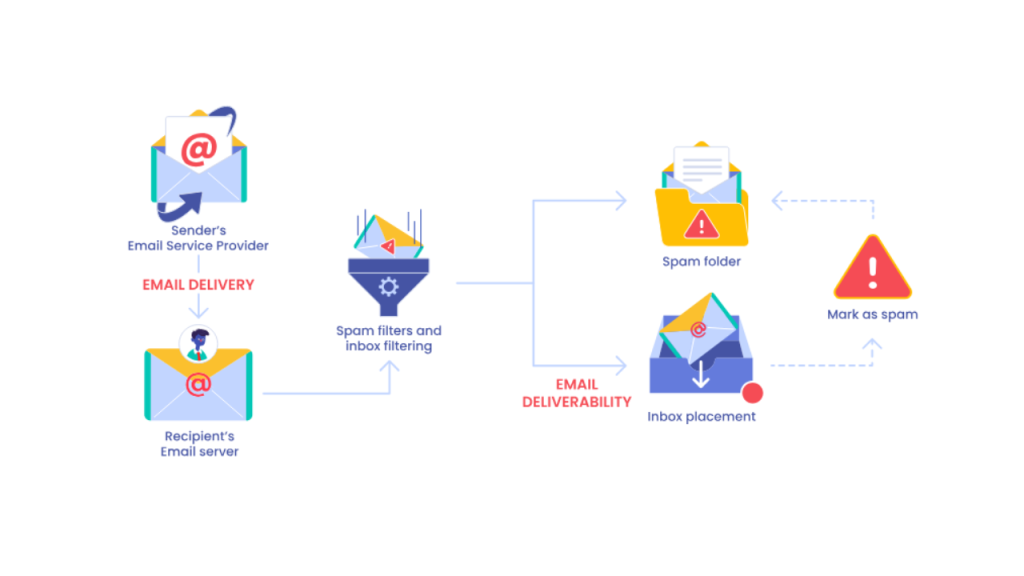
Deliverability comes down to sender reputation essentially, do inbox providers trust you? Build trust by:
- Authenticating your sending domain (SPF, DKIM, DMARC records)
- Keeping email engagement high with quality content and proper segmentation
- Removing inactive subscribers regularly (if someone hasn’t opened in 6 months, they’re hurting your metrics)
- Never buying email lists (seriously, never)
- Making unsubscribing easy (counter-intuitive but crucial)
We’ve seen stores lose 40-50% of their email revenue simply because they ignored deliverability basics and ended up flagged as spam. Don’t let that be you.
Essential Ecommerce Email Campaigns Every Store Needs
Now for the good stuff, the email automation workflows that actually drive sales while you sleep.
Welcome Email Series: Your First Impression at Scale
Someone just joined your list. What happens next determines whether they become a loyal customer or forget you exist by tomorrow.
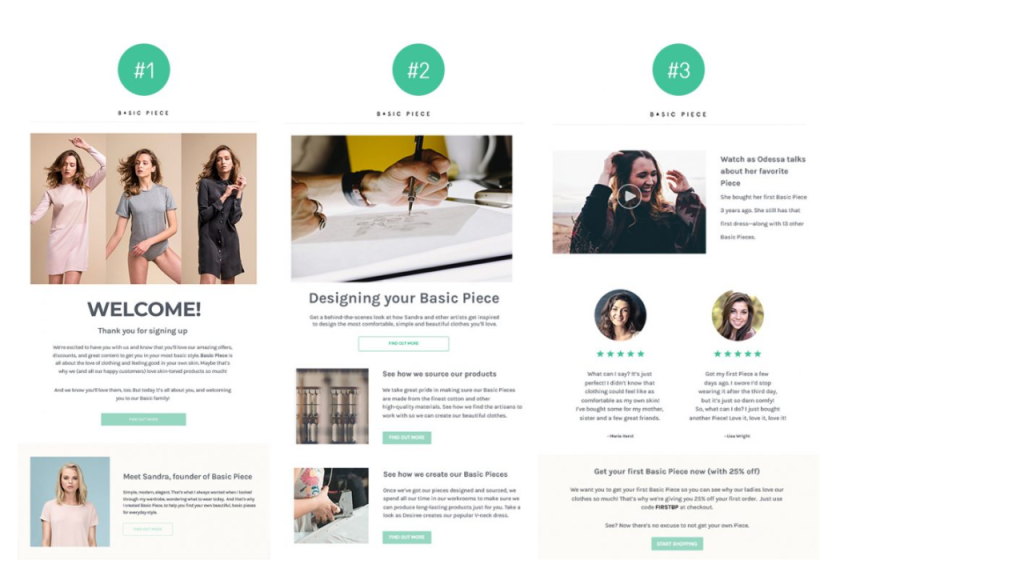
A strong welcome email series does three things:
- Delivers the promised incentive (discount code, free shipping, early access)
- Introduces your brand story and what makes you different
- Showcases your best-selling or most relevant products
The mistake we see constantly? Sending one welcome email and calling it done. Top-performing stores send 3-5 emails over the first week, gradually building the relationship.
Email 1 (immediate): Deliver the discount/incentive. Include 3-4 bestsellers.
Email 2 (day 2): Your brand story. Why you started. What problem you solve. Make it personal.
Email 3 (day 4): Social proof and customer testimonials. People buy what other people buy.
Email 4 (day 6): Urgency reminder if they haven’t purchased. Highlight limited-time offer expiration.
This isn’t rocket science, but it works. Our average conversion rate on welcome series sits around 8-12% dramatically higher than promotional emails sent to your entire list.
📩 Abandoned Cart Emails: Recovering Your Lost Revenue
Cart abandonment rates hover around 70% for most online stores. That means seven out of ten people who add products leave without buying. Abandoned cart emails are how you win them back.
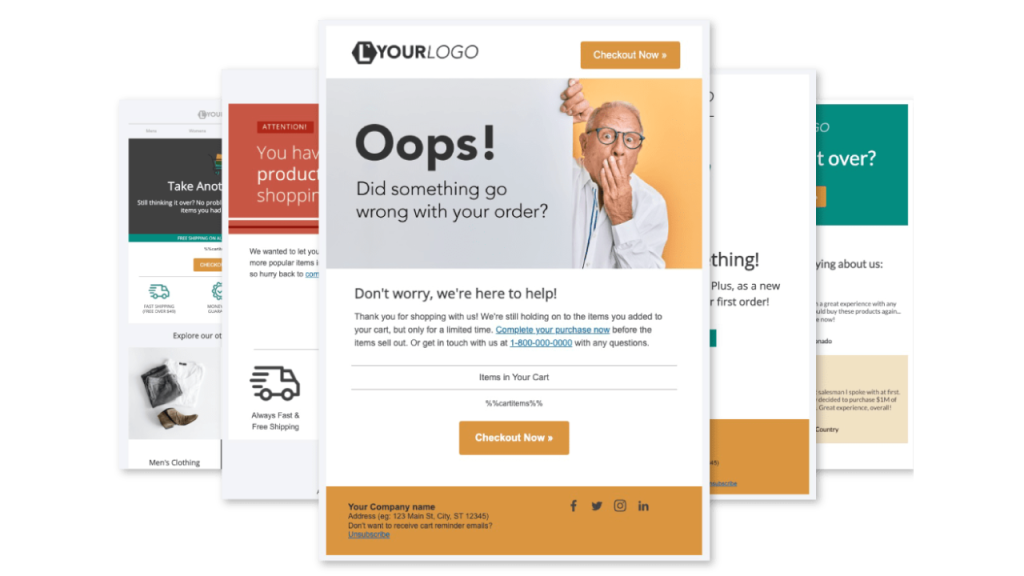
The typical cart abandonment email sequence:
Email 1 (1 hour after abandonment): Simple reminder. “You left something behind.” Show the exact products. Make checkout frictionless with a direct cart recovery link.
Email 2 (24 hours): Add social proof or urgency. Customer reviews, low stock warnings, or popular item indicators work well here.
Email 3 (48-72 hours): Offer a small incentive if needed. Not every brand needs to discount here (luxury brands often don’t), but for price-sensitive categories, a 10% discount can seal the deal.
Here’s what we’ve learned working with hundreds of online stores: the first email recovers the most carts. Typically 40-50% of abandoned cart revenue comes from that initial reminder. The subsequent emails catch stragglers, but that first touchpoint is your money-maker.
One dropshipping store we worked with was sending abandoned cart emails but including their entire catalog in the footer. Distraction killed conversions. We simplified to just the abandoned products and a single CTA—cart recovery rate jumped from 8% to 15%.
📩 Post-Purchase Emails: The Relationship Starts After They Buy
Most stores obsess over getting the first sale, then go silent. Wrong move.
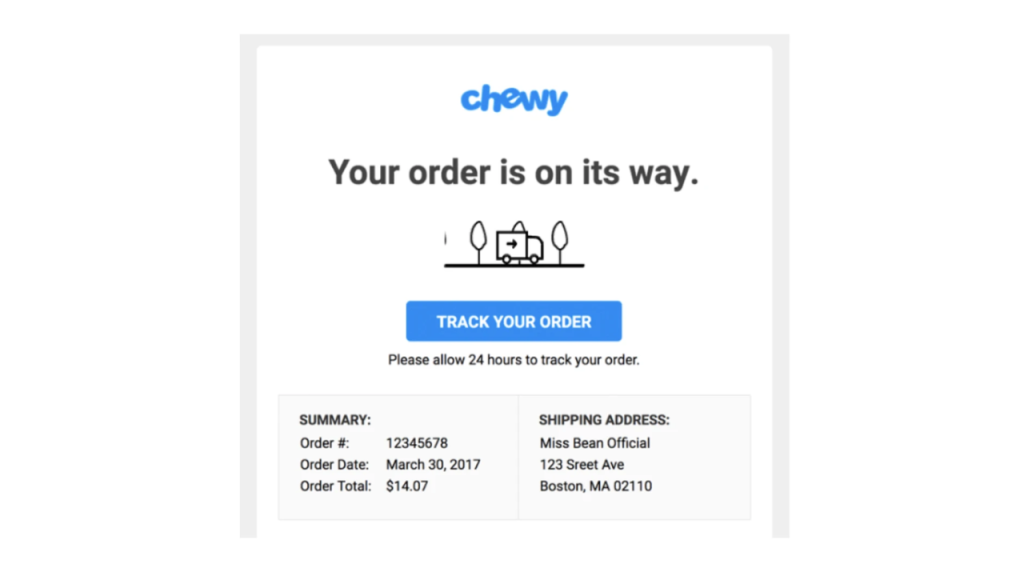
Post-purchase emails serve multiple purposes:
Order confirmation (transactional): Reassure them. Include shipping timeline, support contact, and what happens next.
Shipping notification (transactional): Keep them informed. Add tracking. Build anticipation.
Delivery confirmation + review request (3-7 days after delivery): Ask for feedback while the experience is fresh. Product reviews are gold for conversion rate optimization.
Replenishment reminder (for consumables): If you sell products people need to reorder supplements, skincare, pet supplies trigger these based on typical usage cycles. A coffee subscription brand we worked with increased repeat purchase rate by 34% just by implementing smart replenishment timing.
Cross-sell/upsell campaign (2-3 weeks post-purchase): Recommend complementary products based on what they bought. Use dynamic product recommendations here if they bought a camera, show lenses and accessories, not random bestsellers.
Post-purchase emails build customer retention and increase lifetime value. You spent money acquiring this customer. Now maximize the relationship.
📩 Product Recommendation Emails: Personalization That Converts
Generic “Here are our bestsellers” emails? They’re fine. They’re just not impressive.
Personalized ecommerce emails using behavioral email triggers and purchase history perform 3-5X better. We’re talking about emails that recommend products based on:
- Previous browsing behavior
- Past purchases (complementary items)
- Similar customer preferences
- Category affinity
The technical term is dynamic product recommendations, but what it really means is showing people products they actually want to see. If someone buys running shoes, don’t send them formal dress shoes next week. Show them running accessories, athletic wear, or the next shoe model up.
One fashion retailer we worked with segmented their audience by style preference (casual, formal, athletic, trendy) based on past purchases. Their product recommendation emails went from 1.2% conversion rate to 4.8% conversion rate. Same list. Better targeting.
The best email marketing tools for ecommerce handle this automatically once you set up the logic. It’s one of those “set it and forget it” workflows that just keeps generating revenue.
📩 Win-Back Campaigns: Reviving Inactive Customers
Every online store has customers who bought once, then disappeared. Win-back campaigns bring them back.
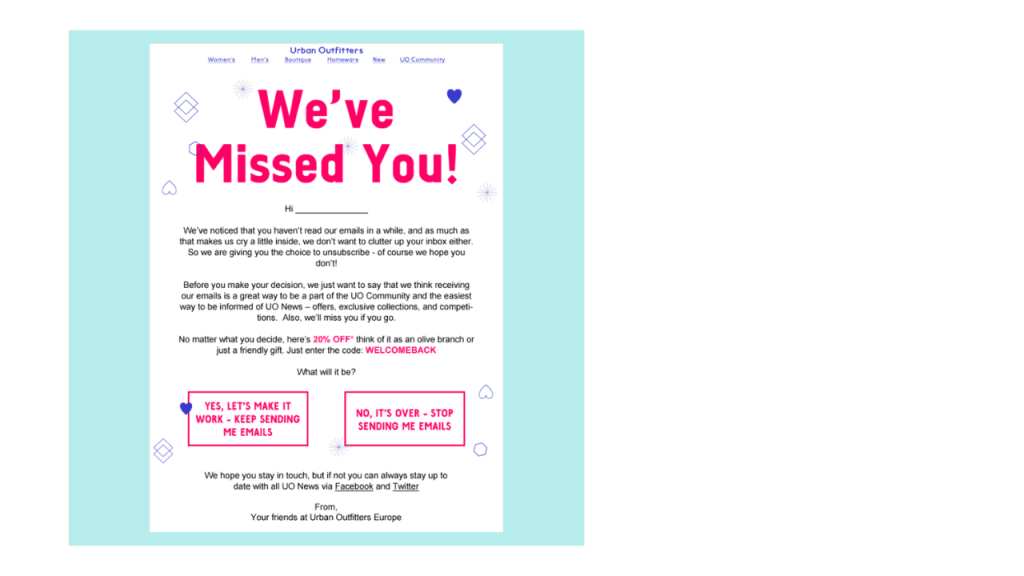
Identify customers who haven’t purchased in 90-180 days (adjust based on your typical purchase cycle). Then launch a re-engagement email sequence:
Email 1: “We miss you” message. Remind them what they’re missing. Show new products or bestsellers.
Email 2: Make an offer. Discount, free shipping, exclusive access—whatever makes sense for your margins.
Email 3: Last chance urgency. Create FOMO with expiring offers or limited-time deals.
If they still don’t engage after 3-4 emails? Remove them from your active list. It sounds harsh, but inactive subscribers hurt your email deliverability and inflate your costs (most email marketing platforms charge by subscriber count).
We’ve helped dozens of stores implement win-back campaigns. The win rate varies wildly by industry anywhere from 5-20%, but the math always works out. If you can bring back even 10% of your inactive customers, that’s nearly free revenue from people you already acquired.
Advanced Ecommerce Email Marketing Strategies
Once your foundational campaigns are running, it’s time to level up.
Email Segmentation for Ecommerce: Beyond Basic Lists
Here’s the thing about email segmentation: it’s the difference between spraying and praying versus surgical precision.
Basic segmentation splits your list by:
- Purchase history (buyers vs. non-buyers)
- Engagement level (active vs. inactive)
- Geographic location (shipping zones, seasonal preferences)
Advanced segmentation gets granular:
- Average order value tiers (VIP customers vs. bargain hunters)
- Product category preferences
- Lifecycle stage (new subscriber, first-time buyer, repeat customer, at-risk churn)
- Behavioral triggers (abandoned browsers, repeat product viewers)
In our experience with online stores across different niches, the stores that segment aggressively see 50-100% higher email marketing ROI than those sending the same message to everyone.
Think about it this way: your customer who spends $500 per order needs different messaging than your $30 bargain shopper. Your VIP customer doesn’t need 20% off they need early access and exclusivity. Your price-sensitive customer? They’re waiting for your biggest discount.
One beauty brand we worked with created a “high-value customer” segment (customers who’d spent $300+ lifetime). They sent this segment early access to new launches and exclusive product bundles. Open rates were 15-20 points higher than their main list, and conversion rates doubled. All from treating different customers differently.
Email Automation Workflows That Scale
Marketing automation is how you turn email into a 24/7 sales machine.
The goal isn’t just “set and forget” it’s “set, optimize, and scale.” Here are the triggered email campaigns that should be running automatically:
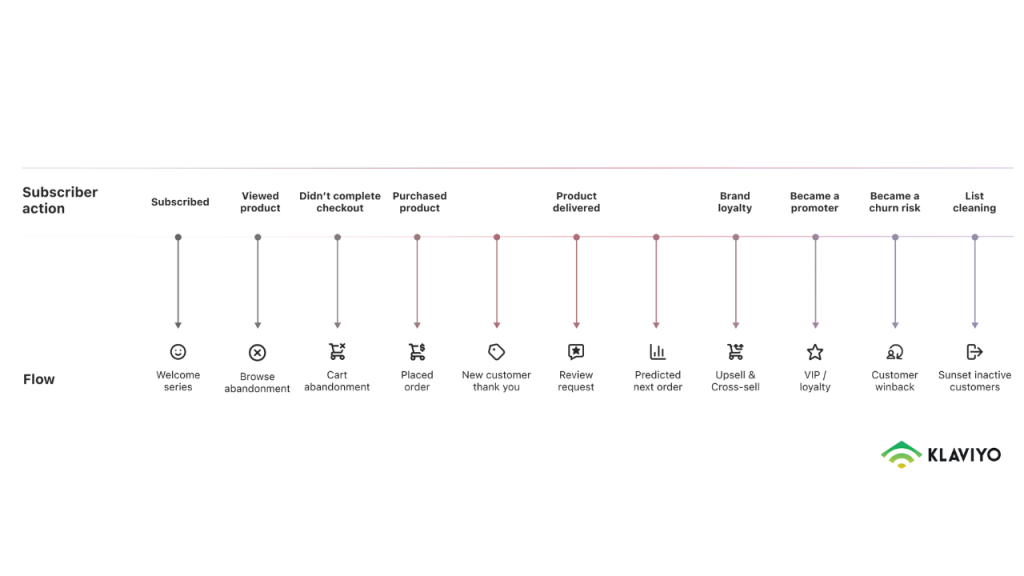
Browse abandonment: Someone viewed products but didn’t add to cart. Remind them what they were looking at.
Category affinity series: If someone repeatedly browses your “outdoor gear” category, put them in an outdoor-focused nurture sequence.
Birthday/anniversary campaigns: Celebrate customer milestones with special offers. Conversion rates on birthday emails run 2-3X higher than regular promotional emails.
Back-in-stock notifications: Let customers request alerts for out-of-stock items. When inventory returns, automatically email them. These convert at 15-25% because purchase intent is already established.
VIP customer recognition: Automatically celebrate when customers hit spending milestones. “You’ve been with us for a year” or “You’re now a VIP member” emails build emotional connection.
The beauty of triggered email campaigns is they run based on customer behavior, not your manual effort. You build them once, then let them work.
A/B Testing Emails for Continuous Improvement
What works for one store doesn’t always work for another. That’s why you test.
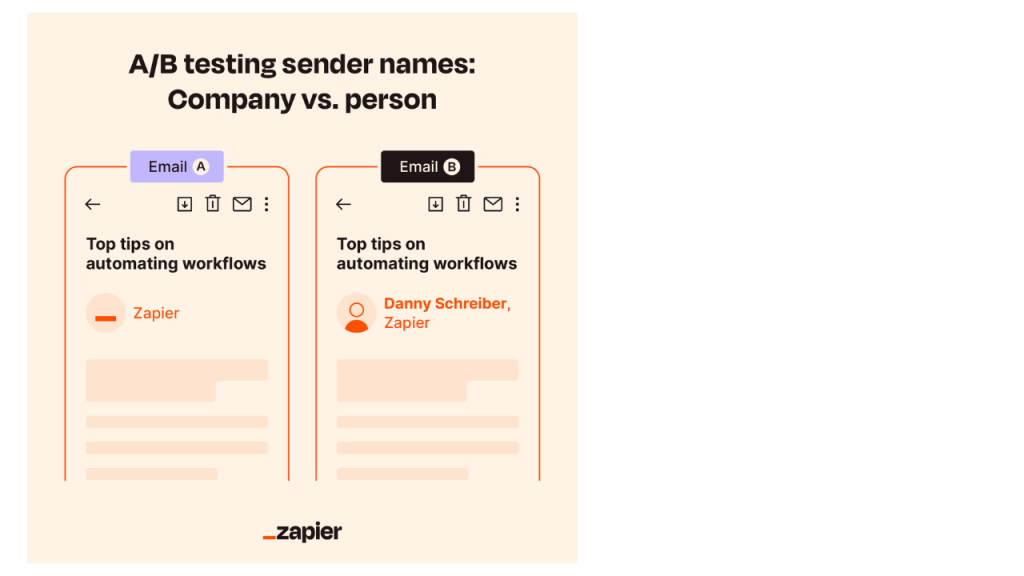
Elements worth A/B testing:
Subject lines: This is your first and most important test. 5-10 words vs. longer? Emoji vs. no emoji? Question vs. statement? Personalization (using first name) vs. generic? Your email open rates live or die by the subject line.
Send timing: Test sending at 9 AM vs. 2 PM vs. 8 PM. Day of week matters too our B2C email marketing clients often see better performance on weekends when people browse leisurely.
Email design: Plain text vs. heavily designed HTML templates. Sometimes simpler performs better because it feels more personal (less like marketing).
Call-to-action: Button color and copy both matter. “Shop Now” vs. “See the Collection” vs. “Get Yours Today” small wording changes can shift click-through rates by 20-30%.
Offer structure: 15% off vs. $15 off vs. free shipping which resonates more with your audience?
Let’s be honest, A/B testing isn’t sexy. But it’s how you gradually transform a mediocre email program into an exceptional one. One percentage point improvement in conversion rate might sound small until you realize that’s thousands of dollars in additional monthly revenue.
Email Design and Mobile Optimization
Over 60% of email opens happen on mobile devices. If your emails don’t look great on phones, you’re alienating the majority of your audience.
Mobile-optimized emails require:
- Single column layouts (stacked content works better than multi-column)
- Large, tappable buttons (44×44 pixels minimum)
- Concise copy (people scan on mobile, they don’t read every word)
- Fast-loading images
- Clear hierarchy (what’s most important should be impossible to miss)
The mistake we see constantly? Stores designing beautiful desktop emails that break on mobile. Always preview and test on actual devices before sending.
Your email templates should also maintain brand consistency while allowing flexibility for different campaign types. Transactional emails can be simpler. Promotional emails might be more designed. But everything should feel cohesively “you.”
Measuring What Matters: Ecommerce Email Marketing Metrics
Vanity metrics feel good but don’t pay the bills. Focus on metrics that actually impact your bottom line.
Email Open Rates for Ecommerce (and Why They’re Overrated)
Since Apple’s iOS 15 update, email open rates have become less reliable. Apple Mail Privacy Protection pre-loads images, artificially inflating open rates by 10-20 points for some senders.
That said, open rates still give you directional insight. Industry benchmarks for ecommerce typically sit around 15-20% for promotional emails, higher for triggered campaigns like abandoned carts (40-50%).
If your open rates are below 10%, you’ve got a subject line problem or a deliverability problem. Fix those first.
But here’s the truth most agencies won’t tell you: opens don’t generate revenue. Clicks and conversions do.
Click-Through Rate and Email Conversion Rate
Click-through rate (CTR) measures how many people clicked links in your email. For ecommerce, healthy CTRs run 2-4% for promotional emails.
Email conversion rate- the percentage who clicked and purchased, is where the money lives. This typically ranges from 1-5% depending on offer, audience, and email type.
Here’s the math that matters: if you send to 10,000 subscribers with a 20% open rate, 2,000 people open your email. If 3% click through, that’s 60 visitors to your site. If 2% of those convert at a $75 average order value, you generated $90 in revenue.
Now multiply that by sending 4-5 emails per week, plus all your automated workflows, and you start seeing serious numbers.
Email Marketing Revenue and ROI
This is the metric that actually matters: how much revenue did email generate, and what did it cost to generate it?
Track email revenue attribution religiously. Your email marketing platform should show exactly which emails drove which sales. If you can’t tie your emails directly to revenue, you’re flying blind.
The average ecommerce email marketing ROI hovers around $36-42 for every dollar spent. That’s incredibly efficient compared to paid advertising (typically $2-5 ROI) or even organic social (often negative ROI when you factor in content creation costs).
Calculate your email marketing revenue by campaign type. Your automated flows (welcome series, abandoned cart, post-purchase) should generate 60-70% of total email revenue despite being a small fraction of total sends. That’s normal. Those emails reach people at high-intent moments.
Promotional emails to your broader list generate the remaining 30-40%. Their job is to maintain engagement and create purchasing opportunities for customers not in an active automation workflow.
List Growth Rate and Retention Rate
Growing your email subscribers matters, but not at the expense of quality. Track monthly list growth rate, aiming for 3-5% organic growth from your website traffic.
More important? Retention rate. What percentage of subscribers stay engaged over time? If people are unsubscribing or going inactive faster than you’re adding new subscribers, you’ve got a content problem.
Calculate customer retention through email by tracking how many email-acquired customers make repeat purchases. For most online stores, getting 20-30% repeat purchase rate within 90 days is solid. Email should be one of your primary retention drivers.
Common Ecommerce Email Marketing Mistakes (and How to Fix Them)
Let’s talk about what doesn’t work. We’ve seen these mistakes cost stores thousands in lost revenue.
Mistake #1: Sending the Same Message to Everyone
Your entire list isn’t the same. Stop treating them like they are.
A new subscriber who’s never purchased has different needs than your best customer who buys monthly. Your $500 spender shouldn’t see the same promotions as your $30 bargain hunter.
Fix: Implement basic segmentation immediately. At minimum, separate buyers from non-buyers. Then segment buyers by recency, frequency, and monetary value (RFM analysis).
Mistake #2: Only Emailing When You Need Sales
If the only time customers hear from you is when you’re running a promotion, you’re training them to ignore you (or worse, only buy when things are on sale).
Fix: Mix promotional emails with value-driven content. Educational newsletters, new product announcements without heavy sales pressure, customer stories, behind-the-scenes content—these build relationship capital you can cash in when you do promote.
The ratio we recommend for most online shops: 60% value, 40% promotion. Three emails with useful content for every two promotional pushes.
Mistake #3: Terrible Subject Lines
Your carefully crafted email is worthless if nobody opens it.
Avoid these subject line killers:
- Generic phrases like “Newsletter #47” or “Monthly Update”
- ALL CAPS SCREAMING
- Excessive punctuation (!!!! looks desperate)
- Misleading bait (you destroy trust when the email doesn’t match the subject)
Fix: Write subject lines that create curiosity, offer clear value, or create urgency. Test personalization (using names) but don’t overdo it. Use numbers when relevant (“3 Ways to…”). Ask questions that the email answers.
Mistake #4: Ignoring Mobile Users
If your email design looks broken on phones, you’re losing 60%+ of potential engagement.
Fix: Use responsive email templates. Keep designs simple. Test on actual mobile devices before sending. Make buttons big enough to tap with a thumb.
Mistake #5: Weak or Missing Calls-to-Action
What do you want people to do? Make it obvious.
Every email needs a clear call-to-action. “Shop Now.” “Claim Your Discount.” “Browse New Arrivals.” Don’t make people hunt for the next step.
Fix: Use prominent, contrasting buttons. Repeat your CTA 2-3 times in longer emails. Make the action incredibly easy, one click should take them directly to the relevant page, not your generic homepage.
Mistake #6: Neglecting Email Copywriting
Your email copy should sound like a person wrote it to another person. Not like a robot drafted corporate speak.
Fix: Write conversationally. Use “you” and “your” frequently. Keep sentences short and scannable. Read your copy out loud, if it sounds weird spoken, it’ll read weird too.
Platform-Specific Strategies
Different ecommerce platforms require slightly different approaches.
Shopify Email Marketing
Shopify’s native integrations make email marketing beautifully simple. Shopify Flow can trigger emails based on nearly any store event (new order, inventory changes, customer tags).
Most Shopify stores we work with use third-party email platforms like Klaviyo rather than Shopify Email because the segmentation and automation capabilities are more sophisticated. But Shopify’s built-in customer data makes any email platform more powerful.
Key advantage: Shopify’s checkout process is standardized, making abandoned cart recovery easier to implement across all stores.
WooCommerce Email Marketing
WooCommerce offers more flexibility (because it’s built on WordPress) but requires more technical setup. Email integrations need more configuration than Shopify’s plug-and-play approach.
The upside? You can customize nearly everything about the customer journey and email triggers. The downside? You might need developer help.
For WooCommerce stores, we typically recommend Mailchimp (familiar interface, solid integration) or Omnisend (ecommerce-focused features) over more general email tools.
Email Marketing for Different Ecommerce Business Models
Your business model affects your email strategy more than you might think.
D2C Email Marketing Strategies
Direct-to-consumer brands own the entire customer relationship, which means email can be more personal and brand-focused.
D2C companies should emphasize:
- Brand storytelling (your origin story, mission, values)
- Community building (customer features, user-generated content)
- Education about your products (ingredients, sourcing, manufacturing)
- Loyalty programs and VIP experiences
One DTC skincare brand we partnered with increased customer lifetime value by 67% primarily through educational email content that positioned them as skin health experts, not just product sellers.
Dropshipping Email Marketing
Dropshipping comes with longer shipping times, which means email communication becomes even more critical for managing expectations and maintaining trust.
Focus on:
- Clear shipping timeline communication
- Proactive tracking updates
- Setting realistic delivery expectations
- Building brand identity separate from product sourcing
The mistake many dropshipping stores make? They treat email like a transactional afterthought. Your email experience is your brand when customers never physically interact with you until the package arrives.
Subscription Box Email Marketing
Subscription businesses live and die by retention, which makes email your most important channel.
Priority campaigns for subscription boxes:
- Shipping notifications for each box
- Sneak peeks of upcoming box contents
- Member-exclusive offers and perks
- Cancellation prevention campaigns (before they even think about leaving)
- Reactivation campaigns for paused or canceled subscribers
We’ve found that subscription box companies need 2-3X more email content than traditional ecommerce because you’re nurturing an ongoing relationship, not just driving individual transactions.
Quick Wins: Email Marketing Tips You Can Implement Today
Want results fast? Start here.

Clean your list: Remove subscribers who haven’t opened in 6+ months. Your metrics will improve immediately and your sending reputation will strengthen.
Set up abandoned cart emails: If you don’t have these running, you’re losing 10-15% of potential revenue. This takes an hour to set up and pays for itself within days.
Add social proof to emails: Include product reviews, customer photos, or popularity indicators (“Trending,” “Bestseller,” “Low Stock”). Social proof increases conversions by 15-30%.
Test sending times: Try sending your next promotional email at a different time of day. Track the results. You might discover your audience is far more responsive at 8 PM than 10 AM.
Personalize subject lines: Use merge tags to include the recipient’s first name. It’s simple but effective—personalized subject lines see 20-30% higher open rates.
Segment your next campaign: Instead of sending to your entire list, try sending to just customers who’ve purchased in the last 90 days. Compare results to your typical blast.
The Future of Email Marketing for Online Retail
Email keeps evolving, and successful stores evolve with it.
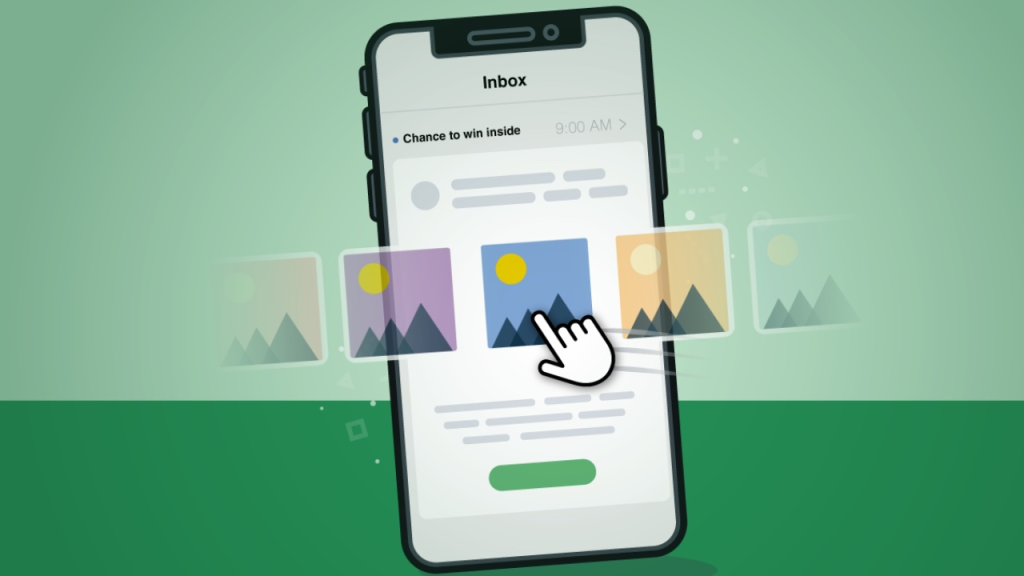
AI-powered personalization is getting scary good. We’re moving beyond basic “recommended for you” towards truly predictive content, emails that adapt in real-time based on when and where they’re opened.
Interactive emails (AMP for Email) let customers browse products, add to cart, or even complete purchases without leaving their inbox. Adoption is still early, but conversion rates are impressive when done right.
Privacy-first marketing continues reshaping what’s possible. With third-party cookie deprecation and increased privacy regulations, owned channels like email become even more valuable.
Omnichannel marketing integration means your email doesn’t exist in isolation. It coordinates with SMS, push notifications, and retargeting to create cohesive customer experiences.
The stores winning long-term treat email as a strategic priority, not an afterthought. They invest in quality content, sophisticated automation, and continuous testing.
Summary: Building Your Ecommerce Email Marketing Strategy
Email marketing isn’t complicated, but it does require consistent effort and strategic thinking.
Start with foundations: choose the right email marketing platform, build your list with compelling opt-in incentives, and ensure your deliverability is solid.
Implement essential automation: welcome series, abandoned cart recovery, post-purchase sequences, and win-back campaigns. These run automatically and generate 60-70% of your email revenue.
Level up with segmentation: stop sending the same message to everyone. Different customers need different content.
Measure what matters: track revenue and ROI, not just opens and clicks. Your email program should directly impact your bottom line.
Test continuously: small improvements compound over time. What works today might not work next quarter. Keep optimizing.
The stores that succeed with email marketing for ecommerce aren’t necessarily doing anything revolutionary. They’re doing the fundamentals consistently well, treating their email subscribers like valued customers, and continuously improving based on data.
Your email list is an asset you control entirely. No algorithm changes. No platform risk. Just direct access to people who want to hear from you. Use that advantage.
Ready to transform your ecommerce email campaigns? Start with one automation workflow this week. Measure the results. Then build from there.
FAQ: Ecommerce Email Marketing
What is the average ROI for ecommerce email marketing?
Most online stores see $36-42 in revenue for every dollar spent on email marketing, making it one of the highest-ROI channels available. This ROI comes primarily from automated workflows like abandoned cart recovery and post-purchase sequences, which target customers at high-intent moments. Your actual ROI depends on list quality, email frequency, and how well you’ve implemented segmentation and personalization.
How often should ecommerce stores send marketing emails?
There’s no universal answer, but most successful online stores send 3-5 promotional emails per week, plus automated triggered emails. The key is balancing frequency with value—if every email provides genuine value (whether that’s a compelling offer, useful content, or exclusive access), customers tolerate higher frequencies. Monitor your unsubscribe rate and engagement metrics. If unsubscribes spike or engagement drops, you’re sending too much or not providing enough value.
What’s the best email marketing platform for Shopify stores?
Klaviyo dominates Shopify email marketing for good reason—it offers deep integration, powerful segmentation based on purchase history and behavior, and clear revenue attribution. That said, it’s pricier than alternatives. Other solid options include Omnisend (good feature-to-price ratio), Mailchimp (familiar interface for beginners), and Shopify Email (simple but limited). Choose based on your budget, technical comfort level, and need for advanced features like predictive analytics and complex automation workflows.
How can I improve my abandoned cart email recovery rate?
Start by sending your first abandoned cart email within one hour—this captures people while purchase intent is highest. Include product images from their actual cart (not your bestsellers), make the checkout link prominent, and minimize distractions. For your second email (sent around 24 hours later), add social proof like customer reviews or “popular item” indicators. If you’re in a price-sensitive category, consider offering a small discount in your third email (48-72 hours), but luxury brands often skip discounts entirely. The most overlooked factor? Mobile optimization—over 60% of cart abandonments happen on mobile, so ensure your recovery emails and checkout process work flawlessly on phones.
What types of customer segmentation work best for ecommerce email marketing?
The most effective ecommerce email segmentation starts with purchase behavior: buyers versus non-buyers, then subdividing buyers by recency, frequency, and spend level. This lets you send different messages to VIP customers (who need exclusivity, not discounts) versus bargain hunters (who respond to deals). Geographic segmentation matters for regional promotions and shipping-related content. Product category affinity—tracking which product types customers browse or buy—enables highly relevant product recommendations. Finally, lifecycle stage segmentation (new subscriber, first-time buyer, repeat customer, at-risk churning customer) ensures your message matches where customers are in their journey with your brand. The stores that segment aggressively see 50-100% higher email ROI than those sending the same message to everyone.
This analysis is part of Northstone Insights‘ ongoing research into the evolving dynamics of commerce marketing and digital customer acquisition. Our reports combine performance data, competitive intelligence, and strategic insights to guide organizations toward scalable growth, improved conversion rates, and market leadership. For customized research, performance benchmarking, or strategic advisory support, contact the Northstone Insights team.


Leave a Comment