

The healthcare landscape has fundamentally shifted. Today, 77% of patients use search engines before booking an appointment, and 72% of those searches happen on mobile devices. For healthcare organizations from solo practitioners to multi-location hospital systems mastering Healthcare SEO isn’t optional anymore; it’s mission-critical.
This comprehensive guide delivers actionable healthcare SEO strategies tailored for doctors, dentists, clinic owners, and healthcare marketing executives. You’ll learn how to dominate local search results, build patient trust through compliant content, optimize technical infrastructure, and convert organic traffic into booked appointments. Whether you’re competing against established health systems or national telehealth platforms, these strategies will position your practice where patients are actively searching.
Key Takeaway: Healthcare SEO delivers predictable, scalable patient acquisition at a fraction of the cost of paid advertising but only when executed with clinical precision and regulatory compliance.
What is Healthcare SEO?
Healthcare SEO refers to the strategic optimization of medical websites, content, and digital assets to rank prominently in search engine results when prospective patients search for health-related services, treatments, or providers. Unlike generic SEO, SEO for doctors and clinics must navigate unique challenges:
- Regulatory Compliance: HIPAA requirements dictate how patient information is handled, limiting certain tracking and personalization tactics
- E-E-A-T Standards: Google’s Experience, Expertise, Authoritativeness, and Trustworthiness guidelines heavily scrutinize medical content
- High-Stakes Decision Making: Patients researching healthcare providers are making critical decisions about their wellbeing, demanding accurate, trustworthy information
- Local Intent Dominance: Most healthcare searches include geographic modifiers or implicit local intent (“pediatrician near me,” “emergency dental care”)
- Competitive Landscape: Healthcare practices compete against major health systems, insurance directories, and medical information sites
Medical SEO services must balance aggressive visibility strategies with ethical patient communication, regulatory adherence, and the responsibility that comes with influencing healthcare decisions.
Why Organic Traffic is Critical for Healthcare Practices
The Patient Search Journey Has Evolved
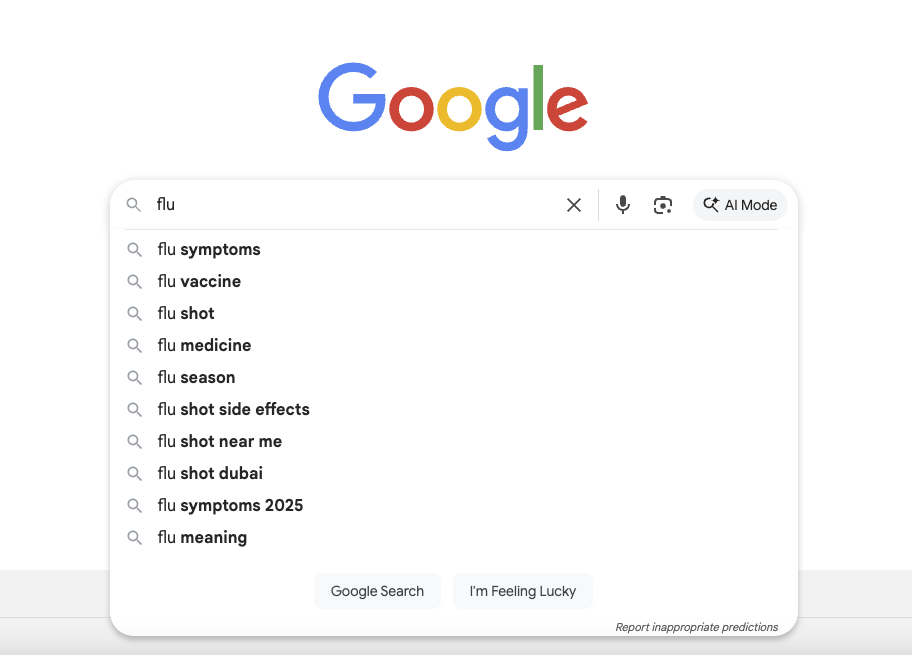
Modern patients are empowered researchers. Before stepping into your clinic, they’ve likely:
- Conducted 5-7 searches related to their symptoms or treatment options
- Visited 3-4 healthcare provider websites
- Read online reviews on Google, Healthgrades, or Vitals
- Compared treatment approaches, credentials, and patient testimonials
The Data Speaks Clearly:
- 63% of patients choose a healthcare provider based on online presence and search visibility
- Practices ranking in top 3 organic positions receive 54% of all clicks for healthcare-related searches
- 84% of healthcare searches on mobile devices result in same-day contact or appointment booking
- Organic search delivers 3x more qualified patient leads compared to paid advertising, according to healthcare marketing analytics
ROI Advantages of Healthcare SEO
Unlike pay-per-click advertising that stops generating leads the moment you pause spending, organic traffic growth for healthcare compounds over time:
- Cost per acquisition decreases as rankings improve and content library expands
- Brand authority builds as your practice consistently appears for relevant searches
- Patient lifetime value increases because organic visitors arrive with higher intent and trust
- Competitive moat strengthens as accumulated content, backlinks, and technical optimization become difficult for competitors to replicate quickly
A mid-sized orthopedic practice investing $5,000 monthly in SEO typically sees 300-500% ROI within 12-18 months—generating 40-80 qualified patient consultations monthly from organic search alone.
Core Healthcare SEO Strategies
1. Keyword Research for Patient Intent
Why It Matters: Patients don’t search like healthcare professionals. They use symptom-based language, questions about insurance coverage, and location-specific queries. Missing this nuance means missing patients.
Actionable Healthcare SEO Tips:
Map Patient Journey Stages:
- Problem Awareness: “sharp lower back pain when standing,” “toddler fever 103 degrees”
- Solution Research: “best treatment for herniated disc,” “pediatrician vs urgent care for fever”
- Provider Selection: “orthopedic surgeon Dallas accepting Blue Cross,” “pediatrician open Saturday near me”
Research Methodology:
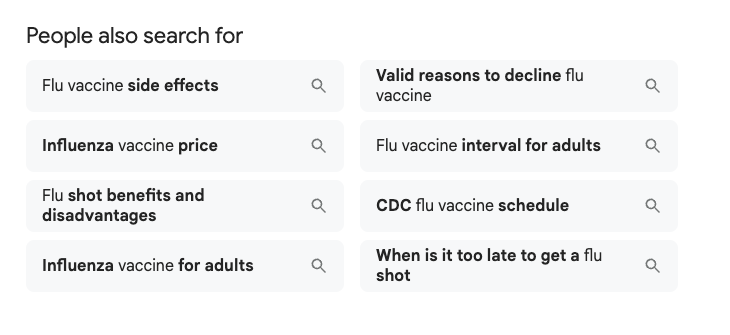
- Use Google’s “People Also Ask” and “Related Searches” to discover natural patient language
- Analyze competitor content gaps using tools like SEMrush or Ahrefs
- Mine patient intake forms and phone call transcripts for common terminology
- Prioritize long-tail keywords (4+ words) with clear service intent: “root canal cost without insurance Houston”
- Target “near me” variations which account for 46% of all Google searches
Example Keyword Clusters for a Family Practice:
- Primary: “family doctor [city name]”
- Supporting: “family practice accepting new patients,” “same-day sick visits,” “pediatric and adult doctor,” “annual physical exam cost”
2. On-Page SEO for Medical Websites
Why It Matters: Your website is often the first “office visit” for prospective patients. Poor on-page optimization loses patients to competitors before they ever contact you.
Strategic Implementation:
Service Pages Optimization:
Each treatment or service deserves a dedicated, comprehensive page:
- Title Tag Formula: “[Treatment] in [Location] | [Practice Name] | Board Certified”
- Example: “Dental Implants in Phoenix | Sunrise Dental | Board Certified Prosthodontist”
- Example: “Dental Implants in Phoenix | Sunrise Dental | Board Certified Prosthodontist”
- Meta Description: Include service benefit, location, credentials, and call-to-action within 155 characters
- H1 Tag: Match primary keyword with clear value proposition
- Content Structure: Minimum 1,500 words covering: what the treatment is, who needs it, procedure details, recovery, costs, insurance, why choose your practice
- Schema Markup: Implement Medical Business, Physician, and Service schema to enhance search appearance
Content Elements That Convert:
- Provider credentials prominently displayed with verifiable certifications
- Before/after galleries (with proper patient consent and HIPAA compliance)
- Transparent pricing or price ranges where appropriate
- Insurance accepted listed clearly with logos
- Video introductions from treating physicians
- FAQ sections answering common patient concerns
- Easy scheduling CTAs above the fold and throughout content
Technical On-Page Requirements:
- Image optimization: descriptive alt text, compressed files, next-gen formats (WebP)
- Page speed under 2.5 seconds for mobile (53% of visitors abandon slower sites)
- Mobile-responsive design that passes Google’s Mobile-Friendly Test
- Accessible navigation meeting WCAG 2.1 standards
- Clear internal linking between related services and educational content
3. Local SEO for Doctors, Dentists, and Clinics
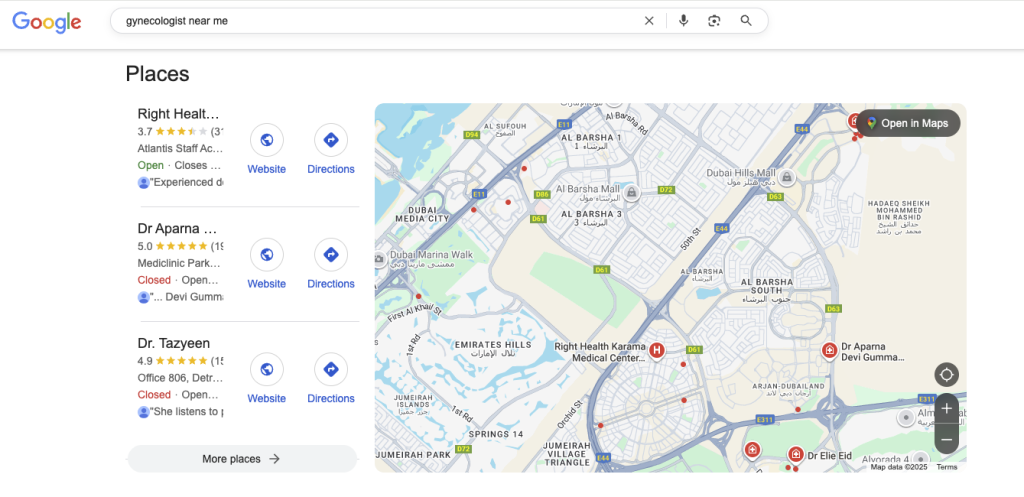
Why It Matters: 92% of healthcare searches have local intent. If you’re not dominating the local pack, you’re invisible to the majority of prospective patients in your service area.
Google Business Profile Mastery:
Your GBP is the most powerful local SEO for healthcare practices asset available:
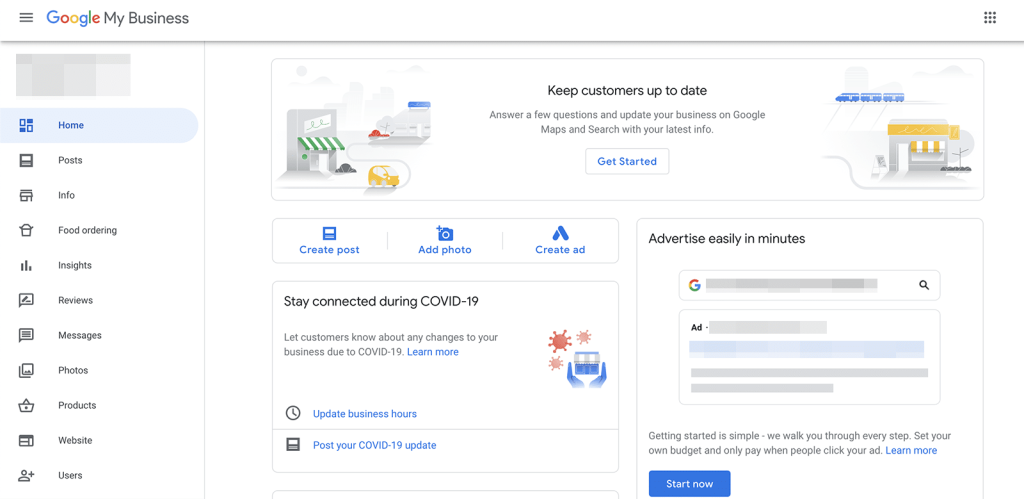
Optimization Checklist:
- Complete every field: business description, attributes, services, amenities
- Select precise categories: Primary (e.g., “Family Practice Physician”) + Secondary (e.g., “Urgent Care Clinic,” “Sports Medicine Clinic”)
- Add high-quality photos: exterior, interior, staff, treatment rooms (minimum 10 photos)
- Post weekly updates: health tips, new services, seasonal hours, patient success stories
- Enable messaging for direct patient inquiries
- List all services with descriptions matching your website
Review Generation Strategy:

Reviews are the #1 ranking factor for local SEO and the #1 trust signal for patients:
- Systematic request process: Send review links within 24 hours of positive appointments via SMS or email
- Multi-platform presence: Prioritize Google, but also cultivate Healthgrades, Vitals, RateMDs, and Facebook
- Response protocol: Reply to 100% of reviews (positive and negative) within 48 hours
- Reputation monitoring: Set up alerts for new reviews across all platforms
Target: 5-10 new Google reviews monthly with 4.5+ star average
Location Page Strategy for Multi-Location Practices:
Each location requires:
- Unique URL structure: yourpractice.com/locations/city-name
- Distinct content: 500+ words describing the location-specific team, services, facility features
- Embedded Google Map for the specific location
- Location-specific schema markup
- Unique contact information (no shared phone numbers across locations)
- Separate Google Business Profile for each physical location
4. Technical SEO for Healthcare Sites
Why It Matters: Even brilliant content won’t rank if your site’s technical foundation is broken. Healthcare websites face unique technical challenges due to patient portals, appointment systems, and compliance requirements.
Core Technical Priorities:
Website Speed Optimization:
Every second of load time reduces conversions by 7%:
- Implement CDN for faster global content delivery
- Compress images without quality loss (aim for under 100KB per image)
- Enable browser caching for returning visitors
- Minimize JavaScript and defer non-critical scripts
- Use lazy loading for images below the fold
- Upgrade hosting if shared servers cause slowdowns during peak hours
Mobile Optimization:
With 72% of healthcare searches on mobile:
- Responsive design that adapts seamlessly to all screen sizes
- Touch-friendly buttons (minimum 48×48 pixels)
- Readable font sizes (minimum 16px for body text)
- Simplified navigation with hamburger menus
- One-click phone calls using click-to-call functionality
- Minimal form fields for mobile appointment requests
Security & HIPAA Compliance:
- SSL certificate (HTTPS) is mandatory for all pages
- HIPAA-compliant forms for patient intake (never process PHI through standard contact forms)
- Secure patient portal integration that doesn’t create duplicate content issues
- Cookie consent management meeting GDPR/CCPA requirements
- Regular security audits to prevent breaches that tank search visibility
Schema Markup for Healthcare:
Structured data helps search engines understand your content:
- Medical Business schema: Organization name, address, specialties, accepted insurance
- Physician schema: Individual provider credentials, specialties, languages spoken
- FAQPage schema: For FAQ content sections
- Review schema: Display star ratings in search results
- Video schema: For educational medical videos
5. Content Marketing & Blogging for Healthcare Authority
Why It Matters: Educational content establishes your practice as the trusted local authority, attracts patients in the research phase, and provides keyword-rich pages that rank for hundreds of long-tail searches.
Healthcare Content Strategy Framework:
Content Types That Drive Patient Acquisition:
- Condition/Symptom Guides: “When to See a Doctor for Lower Back Pain,” “Is Strep Throat Contagious?”
- Treatment Comparisons: “Root Canal vs. Extraction: Which is Right for You?”, “Physical Therapy vs. Surgery for Rotator Cuff Tears”
- Procedure Explainers: “What to Expect During Your First Chiropractic Adjustment”
- Insurance & Cost Transparency: “Does Insurance Cover Sports Physicals?”, “Average Cost of Dental Cleaning in [City]”
- Preventive Care Guides: “Annual Wellness Exam Checklist for Women Over 40”
- Patient Success Stories: (with proper consents) demonstrating treatment outcomes
Content Production Cadence:
- Minimum 2-4 blog posts monthly (1,500-2,500 words each)
- Quarterly comprehensive guides (3,000-5,000 words) on major treatments
- Monthly video content (5-10 minutes) featuring physicians
- Seasonal content calendar aligned with health awareness months and common seasonal conditions
E-E-A-T Compliance for Medical Content:
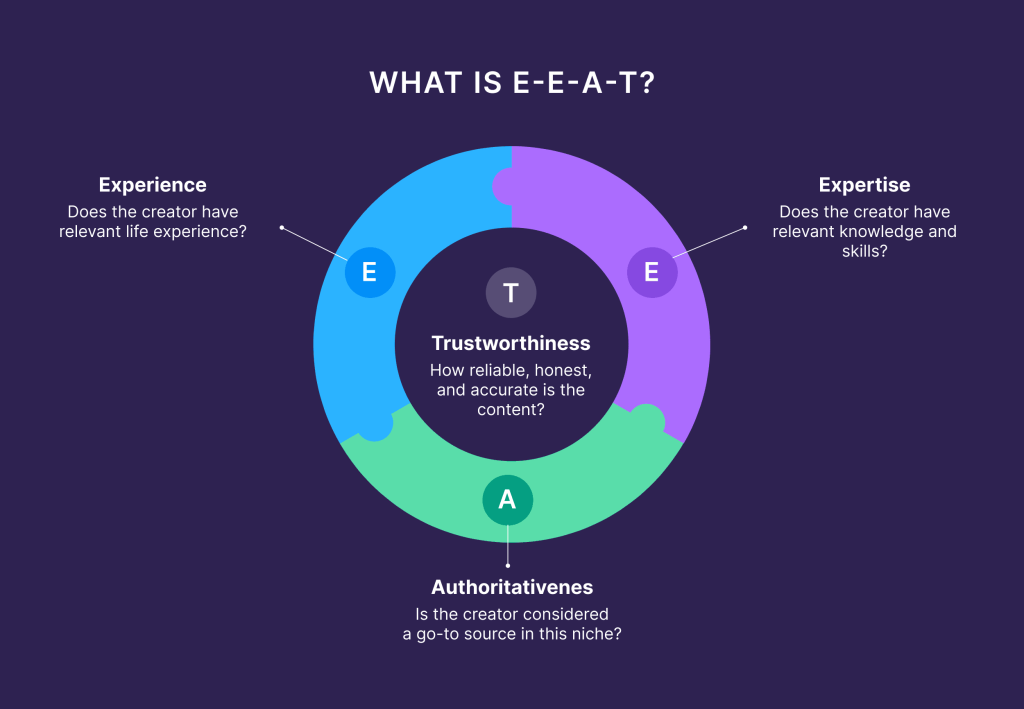
Google scrutinizes healthcare content ruthlessly. Ensure:
- Author bylines featuring physician credentials (MD, DO, DDS, etc.)
- Medical review process with review dates displayed
- Cited sources from peer-reviewed journals (PubMed, JAMA, NEJM)
- Updated publication dates for evergreen content reviewed annually
- Clear disclaimers noting content is educational, not personalized medical advice
- No misinformation about treatments, efficacy, or health claims
Content Optimization Checklist:
- Add table of contents for articles over 2,000 words
- Target one primary keyword per article
- Include keyword in title, first 100 words, and conclusion
- Use semantic variations naturally throughout
- Add internal links to 3-5 relevant service pages or blog posts
- Include compelling CTAs for appointment booking
- Optimize featured image with descriptive alt text
6. Backlink Building & Reputation Management
Why It Matters: Backlinks remain one of Google’s top-ranking factors. For healthcare sites, quality matters exponentially more than quantity—one link from a medical association outweighs 100 links from low-quality directories.
Ethical Link Building for Healthcare:
High-Value Healthcare Backlink Sources:
- Medical directories: Healthgrades, Vitals, WebMD Physician Directory, Zocdoc, RateMDs
- Professional associations: American Medical Association, specialty-specific organizations (AAO, ADA, AAFP)
- Local business directories: Chamber of Commerce, Better Business Bureau
- Hospital affiliations: If applicable, ensure you’re listed on hospital physician directories
- Insurance provider networks: Request listings on insurer “find a doctor” pages
- University affiliations: Medical schools, teaching hospital directories
- Local news coverage: Medical expert commentary, health awareness campaigns
- Community sponsorships: Local sports teams, health fairs, charity events
Content-Driven Link Acquisition:
- Original research: Patient surveys, treatment outcome studies, cost analysis reports
- Expert roundups: Contribute to health journalist queries on HARO (Help A Reporter Out)
- Guest contributions: Write for local health publications, chamber of commerce blogs
- Infographics: Visual health data that other sites want to reference
- Free resources: Symptom checkers, health calculators, downloadable guides
Link Building Don’ts:
- Never purchase links from link farms or PBNs
- Avoid irrelevant directories (legal, automotive, etc.)
- Don’t participate in excessive reciprocal linking schemes
- Never use automated link-building tools
- Avoid anchor text over-optimization (vary your link text naturally)
Reputation Management as SEO:
Your online reputation directly impacts local search rankings:
- Monitor mentions: Set Google Alerts for your practice name and physician names
- Address negative reviews professionally: Never argue; acknowledge concerns and offer offline resolution
- Showcase testimonials: Embed reviews on your website (with patient permission)
- Leverage video testimonials: More engaging and authentic than text reviews
- Crisis management protocol: Have a response plan for potential reputation emergencies
Tracking Success: SEO Metrics That Matter in Healthcare
Why It Matters: Healthcare SEO is a data-driven discipline. Without proper measurement, you’re flying blind and can’t optimize what you don’t measure.
Key Performance Indicators (KPIs):
Traffic Metrics:
- Organic sessions growth: Month-over-month and year-over-year
- Keyword rankings: Track top 20-30 priority keywords (service + location terms)
- Featured snippet ownership: Count of position zero rankings
- Local pack appearances: Percentage of priority local searches where you appear in top 3
- Top landing pages: Which service pages drive most organic traffic
Engagement Metrics:
- Bounce rate: Under 50% is good; under 40% is excellent
- Time on page: Medical content should average 2-3 minutes
- Pages per session: Target 2.5+ for engaged visitors
- Scroll depth: Percentage of visitors reading complete service pages
Conversion Metrics (Most Critical):
- Appointment bookings: Online scheduler submissions from organic traffic
- Phone calls: Click-to-call events and call tracking attribution
- Form submissions: Contact forms, patient intake, insurance verification requests
- Direction requests: Google Maps direction clicks
- Patient acquisition cost (PAC): Total SEO investment ÷ new patients from organic search
- Patient lifetime value (LTV): Average revenue per patient acquired through SEO
Tools for Healthcare SEO Measurement:
- Google Analytics 4: HIPAA-compliant configuration for traffic and conversion tracking
- Google Search Console: Keyword rankings, click-through rates, indexing issues
- Call tracking software: CallRail, CallTrackingMetrics (with HIPAA compliance)
- Rank tracking tools: SEMrush, Ahrefs, or BrightLocal for local rankings
- Heat mapping: Hotjar or Crazy Egg to understand user behavior on key pages
Reporting Cadence:
- Weekly: Rank tracking and local pack positions
- Monthly: Comprehensive dashboard covering all KPIs
- Quarterly: Strategic review with ROI analysis and strategy adjustments
Common Mistakes in Healthcare SEO
Why It Matters: Healthcare SEO requires special handling. Mistakes that might be minor in other industries can be catastrophic for medical practices—destroying rankings, violating regulations, or damaging patient trust.
Critical Errors to Avoid:
1. Ignoring HIPAA Compliance in Digital Marketing
The Mistake: Using Google Analytics without proper configuration, collecting patient information through non-secure forms, or featuring patient photos without signed releases.
The Fix:
- Implement HIPAA-compliant analytics configuration (anonymize IP addresses, disable data sharing)
- Use encrypted, HIPAA-compliant form providers for any patient data collection
- Obtain explicit written consent with specific usage rights for all patient testimonials, photos, and videos
- Train staff on digital HIPAA requirements
2. Keyword Stuffing and Unnatural Content
The Mistake: “Best dentist Dallas best dental implants Dallas affordable dentist Dallas emergency dentist Dallas…” repeatedly crammed into content.
The Fix:
- Write for humans first, search engines second
- Use keywords naturally in context
- Focus on semantic variations and related terms
- Prioritize answering patient questions thoroughly
3. Neglecting Google Business Profile
The Mistake: Incomplete profile, no photos, ignoring reviews, never posting updates.
The Fix:
- Complete 100% of profile fields
- Add 20+ high-quality photos
- Post weekly updates
- Respond to all reviews within 48 hours
- Monitor insights and adjust strategy based on data
4. Thin, Low-Quality Content
The Mistake: 300-word service pages with generic descriptions: “We offer teeth cleaning. Call us today!”
The Fix:
- Create comprehensive service pages (1,500+ words)
- Answer the questions patients actually ask
- Include procedure details, costs, recovery, alternatives
- Add multimedia (images, videos, diagrams)
- Feature physician expertise and credentials
5. Ignoring Mobile Experience
The Mistake: Desktop-optimized sites that are nearly unusable on mobile devices where 72% of healthcare searches occur.
The Fix:
- Implement responsive design
- Test on actual devices (iPhone, Android, tablets)
- Simplify mobile navigation
- Make phone numbers click-to-call
- Reduce form fields for mobile users
6. No Local SEO Strategy
The Mistake: Targeting broad, national keywords when patients search locally: “cardiologist” instead of “cardiologist Miami Lakes.”
The Fix:
- Target city/neighborhood-specific keywords
- Create location pages for each office
- Build local citations and backlinks
- Focus on Google Business Profile optimization
- Earn reviews mentioning your location
7. Outdated Medical Information
The Mistake: Publishing medical content and never updating it as guidelines, treatments, or best practices evolve.
The Fix:
- Review and update all medical content annually
- Display review dates prominently
- Subscribe to medical journal alerts for your specialties
- Update treatment costs and insurance coverage regularly
The Future of Healthcare SEO in 2025 and Beyond
Why It Matters: Healthcare search behavior is evolving rapidly. Practices that anticipate these changes will dominate their markets; those that don’t will become invisible.
AI-Powered Search and Generative Answers
Google’s AI Overviews and ChatGPT-style answers are changing how patients discover healthcare providers:
Strategic Adaptations:
- Become the source: Create content so authoritative that AI tools cite your practice
- Structured data emphasis: Schema markup becomes even more critical for AI parsing
- Conversational content: Write in Q&A format that AI can easily extract and present
- Build direct relationships: Email lists and patient portals reduce dependency on search intermediaries
Voice Search Optimization
46% of people now use voice search to find local businesses:
Implementation Tactics:
- Target natural language, question-based keywords: “What should I do if my child has an ear infection?”
- Optimize for featured snippets (voice assistants often read from position zero)
- Create FAQ pages answering common patient questions
- Ensure Google Business Profile is complete and accurate (voice search relies heavily on GBP data)
Hyper-Personalization and Patient Experience
Search engines increasingly personalize results based on user behavior, location, and search history:
Strategic Responses:
- Create patient avatars: Develop content for specific demographics (young families, athletes, seniors)
- Geo-targeted landing pages: Neighborhood-specific content beyond just location pages
- Retargeting integration: Combine SEO with pixel-based campaigns to nurture organic visitors
- Behavioral triggers: Use website behavior to personalize content recommendations
Telemedicine and Virtual Care SEO
The pandemic permanently expanded virtual healthcare acceptance:
Optimization Opportunities:
- Target “online doctor,” “virtual consultation,” and “telemedicine” keywords
- Create dedicated telehealth service pages
- Optimize for “quick,” “convenient,” and “same-day” modifiers
- Build content around conditions well-suited for virtual visits
Video Content Dominance
YouTube is now the second-largest search engine, and video results increasingly appear in standard Google search:
Video SEO Strategies:
- Create physician-hosted educational videos (3-10 minutes)
- Optimize YouTube descriptions with keywords and links to your website
- Transcribe videos and publish transcripts on your site
- Embed videos on relevant service pages
- Target “how to” and “what to expect” queries that favor video results
Zero-Click Searches and SERP Features
Increasingly, Google answers questions directly in search results without requiring clicks:
Adaptation Strategies:
- Optimize for featured snippets: Clear, concise answers in the first paragraph
- Target “People Also Ask” boxes: Create content specifically answering these questions
- Local pack dominance: When users don’t click through, being in the map pack is your only visibility
- Brand building: Invest in brand awareness so patients search for your practice name directly
Conclusion: Implement Healthcare SEO Strategies Now
The healthcare market has never been more competitive, and patient acquisition has never been more digitally driven. Healthcare SEO: How to Get More Organic Traffic isn’t about gaming algorithms—it’s about strategically positioning your practice where patients are actively searching for the exact services you provide.
The practices winning in 2025 share common characteristics:
- They view SEO for doctors and clinics as a strategic investment, not a marketing expense
- They commit to consistent, long-term execution rather than seeking quick wins
- They create genuinely helpful, medically accurate content that serves patients first
- They optimize every digital touchpoint for conversion—from search result to scheduled appointment
- They measure relentlessly and adjust based on data, not assumptions
The Competitive Reality: While you’re reading this, your competitors are optimizing their Google Business Profiles, publishing patient education content, earning backlinks from medical organizations, and appearing at the top of search results when prospective patients need healthcare services.
The Opportunity: Most healthcare providers still neglect SEO or execute it poorly. There’s a massive opportunity for practices that commit to excellence in medical SEO services and patient-centered digital experiences.
Take Action: Your Healthcare SEO Implementation Roadmap
30-Day Quick Wins:
- Claim and optimize your Google Business Profile
- Request reviews from 10 recent satisfied patients
- Add schema markup to your homepage
- Write 2 comprehensive blog posts targeting high-intent keywords
- Audit website speed and fix critical performance issues
90-Day Foundation Building:
- Create dedicated service pages for all treatments offered
- Develop location pages for each office
- Build 50+ local citations
- Publish 8-12 blog posts
- Implement call tracking
- Begin systematic review generation process
6-Month Transformation:
- Develop comprehensive content library (30+ articles)
- Earn 20+ high-quality backlinks
- Achieve top 3 rankings for 5-10 priority keywords
- Appear in local pack for primary service searches
- Generate 30+ new patient appointments monthly from organic search
12-Month Market Dominance:
- Own 50+ top 3 keyword rankings
- Achieve 300%+ organic traffic growth
- Generate 60-80+ monthly appointments from SEO
- Reduce patient acquisition cost by 50%+
- Establish practice as recognized local healthcare authority
This guide was developed by Northstone Insights, a research and advisory firm specializing in healthcare marketing strategy. Our team has analyzed and supported the digital growth of medical practices, dental clinics, and hospital groups, drawing on evidence from over 200 healthcare organizations and thousands of patient acquisition journeys. The recommendations presented here are grounded in real-world data, strategic testing, and measurable outcomes.


Leave a Comment