

If you’re running digital campaigns for a healthcare brand, there’s one acronym that should give you both respect and a tiny bit of fear HIPAA.
Why? Because one misstep in compliance can cost your organization millions in fines and, worse, destroy patient trust overnight.
But here’s the thing: healthcare marketing doesn’t have to be scary. It just needs to be smart. When you understand how HIPAA applies to marketing, you can still run effective campaigns without stepping over any legal lines.
Let’s unpack what that actually means and how to do it right.
What Is HIPAA, and Why Should Marketers Care?
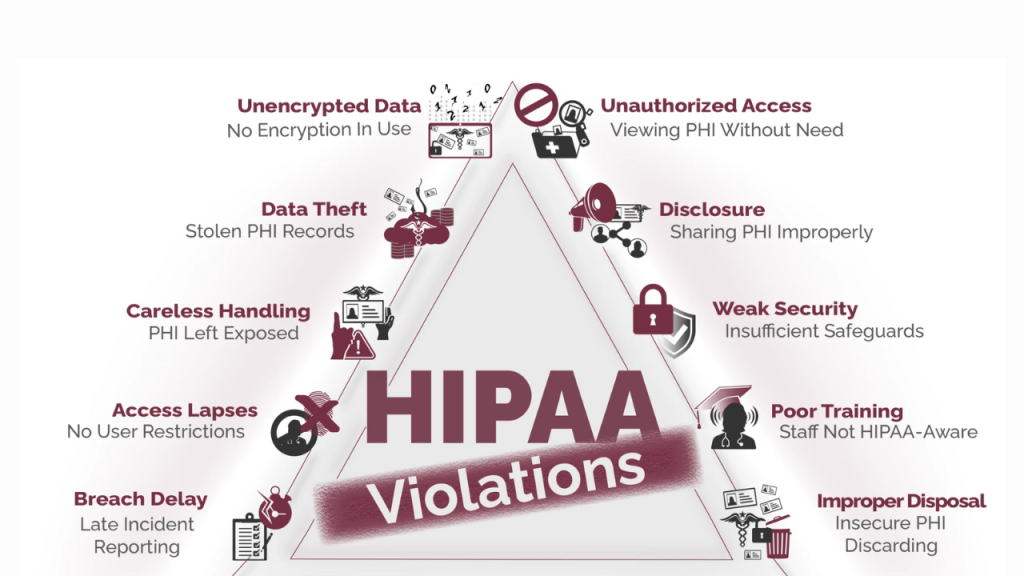
HIPAA (Health Insurance Portability and Accountability Act) is a U.S. law that protects patients’ medical information. For marketers, it sets strict boundaries on how you collect, store, and use patient data.
If you’re handling anything that could identify a patient names, emails, health conditions, appointment dates you’re dealing with Protected Health Information (PHI).
And that’s where marketers often get into trouble.
For example:
- Running retargeting ads using patient emails.
- Using Google Analytics without anonymizing IP addresses.
- Sending email campaigns through non-HIPAA-compliant tools.
All these can trigger violations.
The reality is, HIPAA doesn’t stop you from marketing. It just forces you to be careful and transparent.
1. Understand What Counts as PHI (Most Marketers Miss This)
Here’s what I’ve learned: many healthcare marketers think PHI is only about medical details. It’s not.
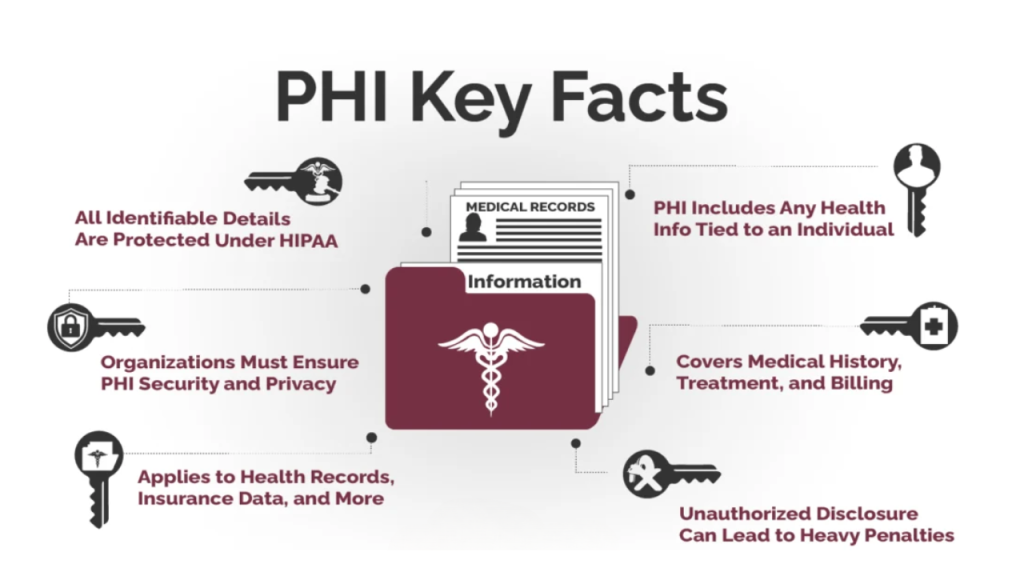
If you can combine a data point (like an email address) with a health-related context (like a “Book your dermatology consultation” form), that becomes PHI.
Think about it this way, it’s not the data itself, but the context that matters.
Examples of PHI include:
- Appointment forms and inquiries
- Emails or phone numbers tied to a specific service
- IP addresses from patient portals
- Website cookies on appointment pages
So before you run a single ad, make sure your data collection process separates marketing data from patient data.
2. Use HIPAA-Compliant Marketing Platforms
You might love your marketing stack Google Analytics, HubSpot, Meta Ads, Klaviyo but not all of them are HIPAA-compliant out of the box.
Here’s the rule: any platform that handles or stores PHI must sign a Business Associate Agreement (BAA) with you.
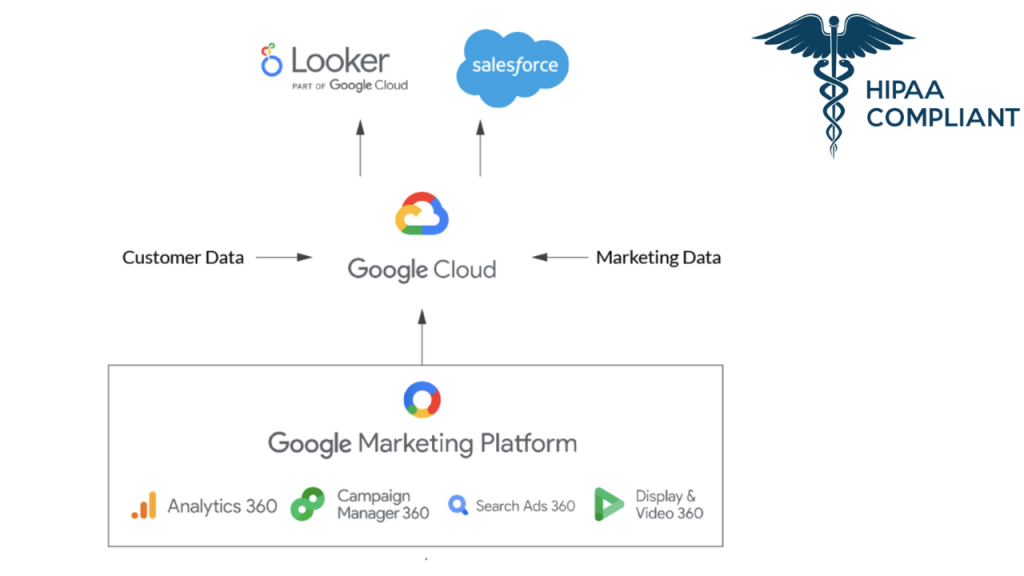
Without it? You’re exposed.
Platforms that typically offer BAAs:
- Salesforce Health Cloud
- Paubox Email Suite
- Amazon AWS (with settings)
- Google Cloud (only with HIPAA configuration)
Platforms that typically don’t:
- Facebook Ads Manager
- TikTok Ads
- Standard Google Analytics
So if you’re running retargeting campaigns based on form submissions or email lists, you’re treading on thin ice.
Pro tip: anonymize or de-identify user data before sending it to ad platforms.
3. Never Combine Ad Tracking with Patient Journeys
This one’s huge and often overlooked.
When you place pixels, cookies, or tracking scripts on healthcare websites, you risk exposing PHI to third parties (like Meta or Google).
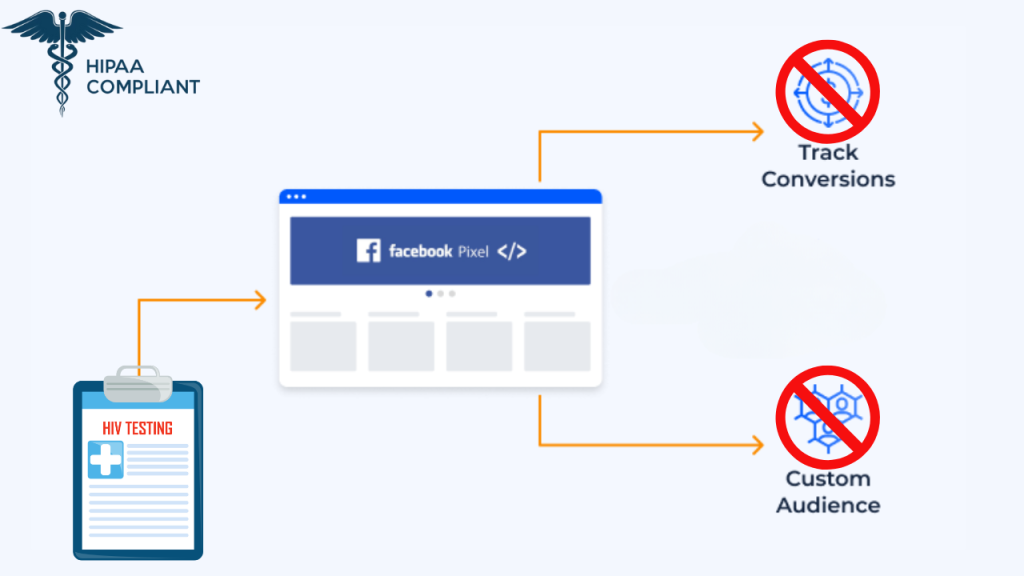
Example:
A patient books an appointment for “HIV testing.” Your Meta Pixel fires, sending event data back to Facebook. Boom. That’s a violation.
In my view, the safest route is to:
- Avoid pixels on appointment confirmation or patient portal pages.
- Use server-side tracking where possible.
- Collect aggregate data, not user-level data.
The goal isn’t to stop tracking it’s to track responsibly.
4. Encrypt and Limit Access to Patient Data
It sounds obvious, but I’ve seen countless healthcare businesses store patient details in plain spreadsheets. Not only is that risky, it’s a HIPAA nightmare.
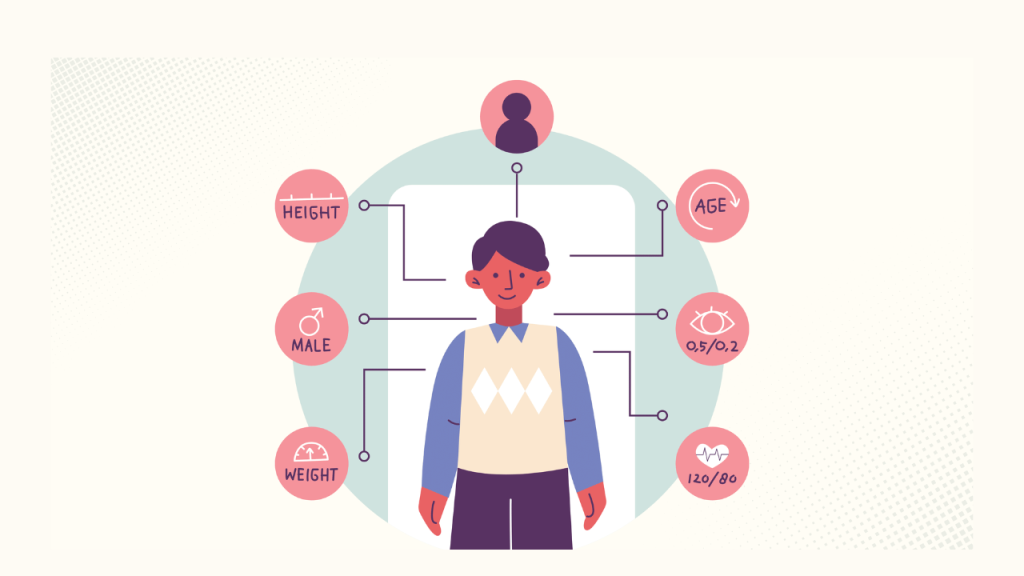
All PHI used in marketing should be:
- Encrypted (both in transit and at rest)
- Accessible only to authorized personnel
- Stored securely on HIPAA-compliant servers
Even if you’re using email automation or CRM systems, double-check if data is encrypted end-to-end.
Remember, HIPAA compliance is about process discipline as much as technology.
5. Train Your Marketing Team Regularly
You can have the best system in the world but if your intern uploads a patient email list to Facebook Custom Audiences, it’s game over.
HIPAA training isn’t just for clinicians. Every person who touches marketing data should understand what PHI is and how to handle it.
Do regular refreshers. Create a simple checklist for campaigns. Make HIPAA part of your marketing culture, not just your compliance checklist.
6. Get Written Consent Before Using Testimonials or Stories
Patient success stories are powerful for healthcare marketing. But they’re also risky if mishandled.
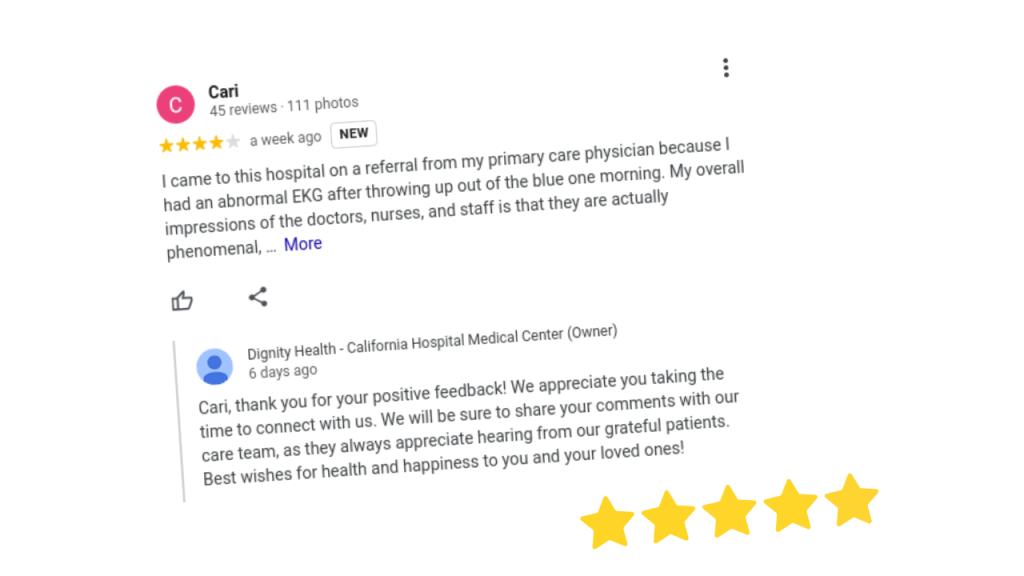
Before publishing any testimonial, social post, or case study:
- Get explicit written consent from the patient.
- Keep documentation on file.
- Avoid sharing any identifiable information unless approved.
Here’s a safe example:
“A patient saw a 70% improvement in their recovery timeline.”
Here’s an unsafe one:
“John, a 43-year-old from Chicago, overcame his addiction using our program.”
Subtle difference, massive compliance gap.
7. Create a HIPAA-Ready Marketing Framework
The best healthcare marketing teams I’ve worked with don’t treat HIPAA as a hurdle. They build it into their workflows.
Here’s what that looks like in practice:
- Audit: Review every campaign, landing page, and data form.
- Secure: Use HIPAA-compliant tools for CRM and email.
- Anonymize: Strip identifiers before data sharing.
- Train: Make compliance everyone’s responsibility.
- Document: Keep proof of every safeguard and consent.
That’s how you market boldly and safely.
Real-World Example: When Compliance Went Wrong
A few years ago, a telehealth startup used Google Ads to remarket to patients who had booked therapy sessions. The intent was harmless “remind users to complete sign-up.”
But Google Ads received PHI via URL parameters (session IDs linked to patient emails)
Result? $1.25 million fine.
It’s a perfect reminder: even small data leaks can have massive consequences.
The Bottom Line
HIPAA compliance doesn’t mean you can’t do creative, data-driven healthcare marketing. It means you have to do it responsibly.
Think of it as building patient trust at scale. When patients know their privacy matters to you, they’re more likely to engage, book, and stay loyal.
So ask yourself: are your marketing systems ready for that level of trust?
If not now’s the time to fix it.
Quick FAQ on HIPAA Compliance in Healthcare Marketing
1. Can I use Google Ads for healthcare campaigns?
Yes, but don’t include PHI or use remarketing based on patient data. Keep campaigns generic (e.g., “Find a cardiologist near you”).
2. Is email marketing allowed under HIPAA?
Yes — if you use a HIPAA-compliant email provider and get proper consent. Avoid sending any health-specific details in the message.
3. What’s the penalty for a HIPAA violation?
Fines can range from $100 to $50,000 per incident, up to $1.5 million per year, depending on the severity.
4. Can healthcare websites use cookies or analytics?
Yes, if they’re configured to anonymize user data and don’t collect PHI.
5. Who’s responsible for HIPAA compliance — marketing or IT?
Both. Marketing defines processes; IT enforces security. Compliance only works when the two collaborate.
About Northstone Insights
At Northstone Insights, we help healthcare leaders bridge the gap between marketing performance and patient trust.If you’re unsure whether your campaigns are HIPAA-compliant or want expert guidance on building a privacy-first growth strategy, reach out to us for support.


Leave a Comment